Cooking in a mess tin works best when you stop treating it like a tiny saucepan and start treating it like a shallow, fast-heating tray. If you want to know how to cook mess tin meals without burning them, the answer is mostly heat control and choosing the right ingredients. It is brilliant for reheating, frying small portions and cooking quick one-pan meals; it is poor for big wet meals, aggressive boiling and anything that needs even heat across the base.
In This Article
- What a Mess Tin Is Good At
- Choosing the Right Mess Tin and Stove
- How to Cook Mess Tin Meals Without Burning Them
- Simple Meals That Work in a Mess Tin
- Food Safety, Storage and Raw Ingredients
- Cleaning a Mess Tin at Camp
- Common Mess Tin Mistakes
- What I Would Pack for a Weekend
- Frequently Asked Questions
What a Mess Tin Is Good At
A mess tin is at its best when the meal is small, quick and forgiving. Think fried eggs, beans, noodles, couscous, breakfast wraps, reheated chilli, bacon rolls, porridge and one-person pasta portions. It is not the thing I would choose for cooking rice perfectly in wind on a tiny gas stove. That is asking too much of a thin rectangle.
The appeal is still real. A mess tin is cheap, tough, easy to pack and can double as a bowl. The Eurohike Mess Tins 2 Pack is usually about £10 with a GO Outdoors membership card or £12 retail, while a single Trangia mess tin is also around £10 member price at GO Outdoors. At that price, it earns its space if you camp a few times a year and do not want a full cookset.
The shape is the key difference. A round pot gives you better stirring and more even heat. A mess tin gives you a broad base, low sides and packable storage. That makes it good for shallow cooking and less good for simmering. If you already own a small stove and one mess tin, you can cook plenty. You just need to control the heat.
Best Uses
- Frying: bacon, eggs, mushrooms, halloumi, wraps
- Reheating: chilli, stew, curry, pasta sauce
- Hydrating: couscous, noodles, instant mash, porridge
- Serving: use it as a bowl or plate after cooking
Poor Uses
- Big pasta portions: water spills and stirring is awkward
- Long simmering: thin metal creates hot spots
- Saucy meals for two: most tins are too shallow
- Delicate fish: it sticks unless you use plenty of oil
Choosing the Right Mess Tin and Stove
The classic aluminium mess tin is light and cheap. Stainless steel is tougher and less reactive, but usually heavier and slower to heat. Non-stick versions are easier to clean but more delicate, and once the coating is scratched you will wish you had bought plain metal.
For most UK campers, I would buy a plain aluminium or stainless steel tin first. A Trangia aluminium mess tin is a safe buy if you want a known brand, while the Eurohike 2-pack is better value if you want two sizes. Argos has sold the Decathlon MT500 1-person stainless steel cookset for about £15, which is worth considering if you want a proper pot, lid and bowl rather than only a mess tin. Bigger family cooksets from Decathlon or Very are closer to £40-£50, but that is a different category.
Use the mess tin with a stove that has enough support under the base. Tiny burner heads create one fierce hot spot in the middle. Wider burner heads, remote canister stoves and alcohol stoves are kinder. The camping stove buying guide goes into stove types, but for mess tin cooking I care most about flame control and pan stability.
The manufacturer Trangia says its aluminium mess tins can be used in an oven or over a direct heat source, which is useful because it confirms the intended use. Even so, direct heat does not mean maximum flame. A thin mess tin over a roaring burner will scorch food before the rest has warmed through.
Features Worth Having
- Folding handle: safer than gripping the rim with a cloth
- Lid: speeds boiling and keeps ash or insects out
- Rounded corners: easier to clean than sharp internal corners
- Nested sizes: useful if one tin is for cooking and one for eating
Do not obsess over weight unless you are backpacking. For car camping, a slightly heavier stainless tin that does not warp is often nicer to use than the thinnest aluminium option.
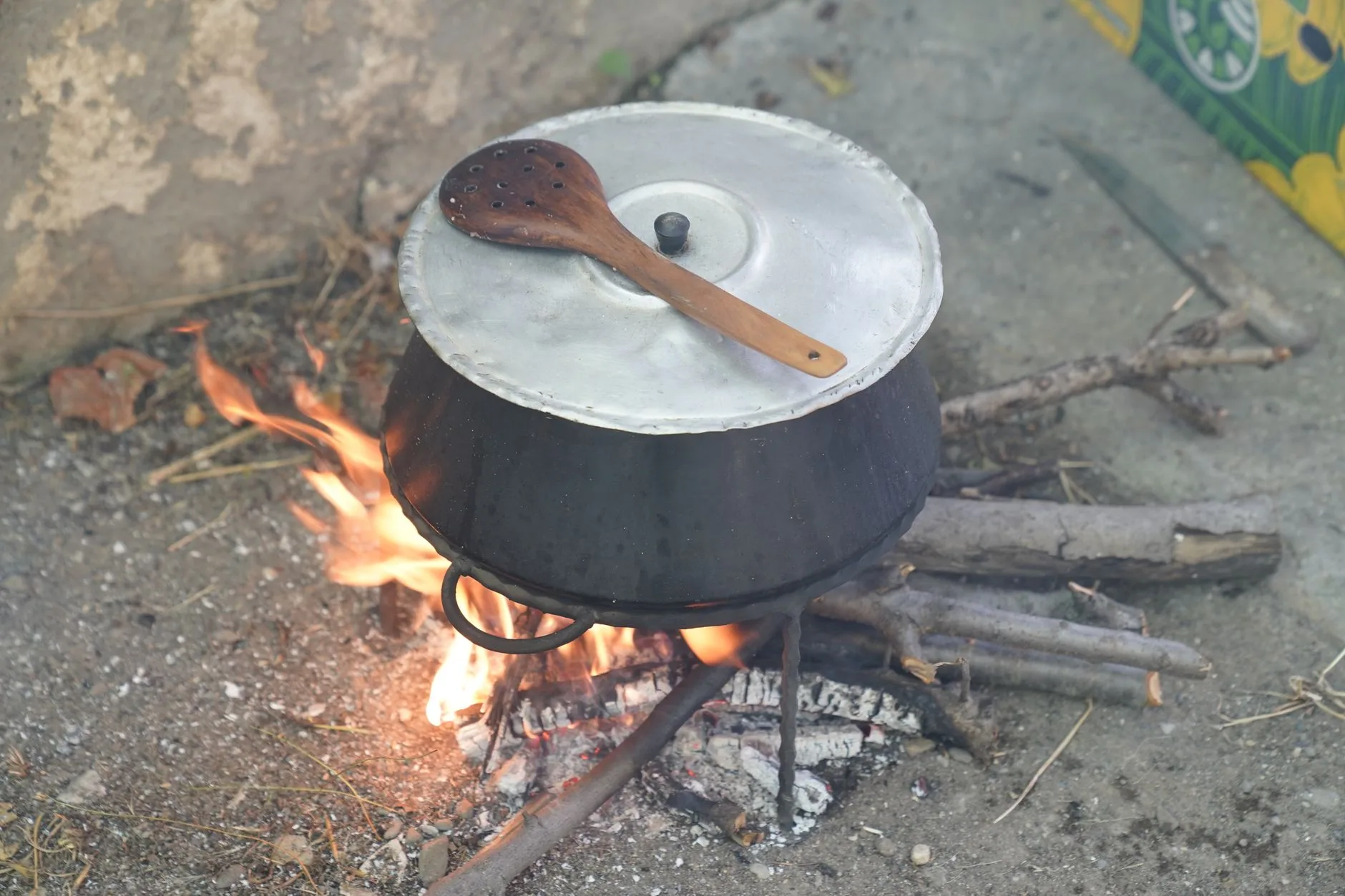
How to Cook Mess Tin Meals Without Burning Them
The main rule is low heat, frequent movement. A mess tin heats quickly and unevenly, so the food touching the middle of the base gets punished first. If you hear violent sizzling as soon as food hits the tin, the flame is too high.
Start with a teaspoon of oil, butter or a splash of water depending on the meal. Let the tin warm, then add ingredients in the order they need cooking. Bacon before mushrooms. Onion before beans. Sauce before pre-cooked rice. You are not doing restaurant technique here; you are trying to avoid a welded-on black layer.
- Set the stove level: use flat ground or a stable table, away from tent fabric.
- Preheat gently: 20-30 seconds is enough for thin aluminium.
- Add fat or liquid: never dry-fry unless the food is already fatty.
- Keep food moving: scrape the corners and rotate the tin over the flame.
- Use a lid or foil: trap heat so you can keep the flame lower.
- Take it off early: residual heat keeps cooking for a minute.
If food starts catching, lift the tin off the stove rather than stirring harder. Add a tablespoon of water, scrape gently with a wooden or silicone utensil, then return it to a lower flame. Metal cutlery works in plain aluminium or stainless steel, but it ruins non-stick coatings.
Wind changes everything. A light breeze can push the flame to one end of the tin, so one corner burns while the other barely warms. Use the stove’s proper wind shield if it has one, or cook behind a rucksack or picnic bench with plenty of clearance. Do not wrap foil tightly around a gas canister stove; trapping heat around the canister is not worth shaving two minutes off dinner.
The best mess tin meals are built around pre-cooked or quick-cook ingredients. Microwave rice pouches, fresh filled pasta, tinned beans, couscous, part-baked rolls and chopped veg all make sense because they do not need long cooking. A 250 g pouch of rice is usually £1-£1.80 in UK supermarkets, and it heats faster than raw rice with much less fuel faff.
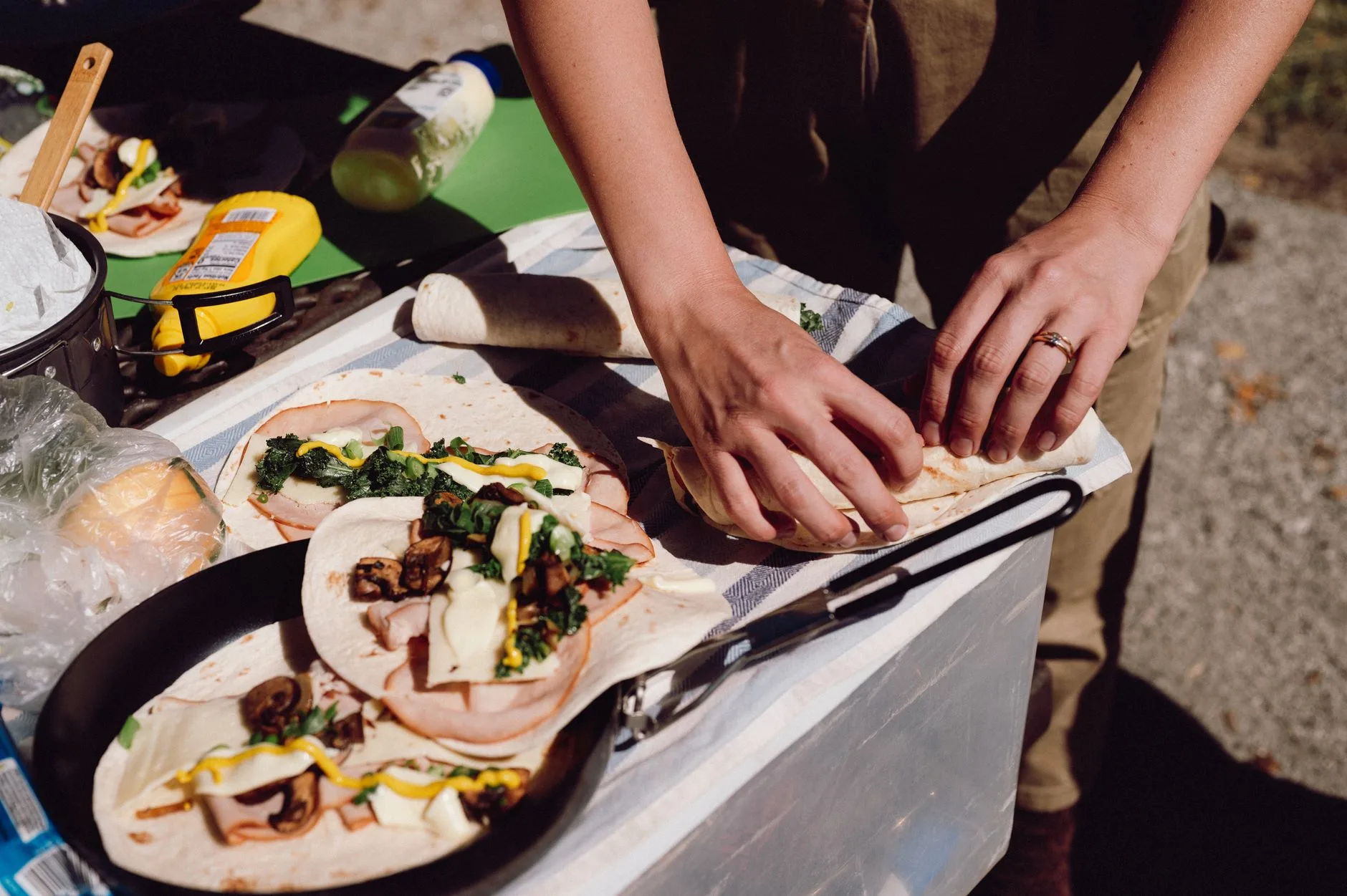
Simple Meals That Work in a Mess Tin
Mess tin cooking is not about showing off. It is about making something hot, filling and not annoying after a wet walk. The more tired you are, the more grateful you will be for food that needs one tin and one spoon.
Breakfast Wrap
Fry bacon or veggie sausages first, then push them to one side and scramble an egg in the same tin. Warm a tortilla over the lid or in the dry tin for a few seconds. Add sauce, roll it up, done. A pack of wraps is about £1.20-£1.80, eggs are roughly £2-£3 for six, and supermarket bacon medallions are often £2.50-£3.50.
Couscous With Halloumi
Boil a small amount of water, take the tin off the heat, then stir in couscous and cover. Fry halloumi separately if you have a second tin, or cook it first and keep it on the lid. Halloumi is usually £2-£3.50 and couscous is one of the cheapest camping carbs around.
Beans, Chorizo and Greens
Fry sliced chorizo until the oil comes out, add greens or mushrooms, then add a small tin of beans. Keep the flame low because beans catch quickly. This is salty, filling and forgiving. No one at a campsite has ever complained that the chorizo was too crispy.
Noodles With Peanut Sauce
Use quick noodles, not thick dried pasta. Cook with just enough water, then stir in a spoon of peanut butter, soy sauce sachet and chilli flakes. It looks suspicious for 30 seconds and then suddenly becomes dinner. The fuel saving is the win here.
For more meal ideas that are not limited to mess tins, the one-pot camping meals guide is the better place to branch out.
Food Safety, Storage and Raw Ingredients
Food safety matters more at camp because handwashing, refrigeration and clean surfaces are all worse than at home. The Food Standards Agency says chilled food should be stored below 5°C, and that is a useful line to remember when you are deciding what to pack for a warm weekend.
Use a cool box with ice packs for meat, dairy and cooked leftovers. If you cannot keep food cold, choose shelf-stable meals: dried noodles, couscous, tinned fish, pouches of lentils, oat sachets, hard cheese for the first day, peanut butter, UHT milk and sealed sauces.
Keep raw meat simple. If you bring sausages, bacon or chicken, cook them on day one and keep them cold until then. Use a separate bag, separate utensil and separate chopping surface. A folding chopping board costs about £3-£8 from camping shops and is much easier to clean than the top of a cool box.
Useful food safety habits:
- Pack raw meat at the bottom: leaks should not drip onto ready-to-eat food
- Use zip bags: portion ingredients before leaving home
- Carry hand gel and soap: gel is not a full replacement for washing
- Boil water for washing up: warm water shifts grease faster
- Bin leftovers promptly: do not leave food open around tents
The article on filtering water while hiking is worth reading if you are cooking away from a serviced campsite. For normal UK campsites, use the tap water unless the site tells you otherwise.
Cleaning a Mess Tin at Camp
Cleaning starts before you cook. A little oil, low heat and enough liquid will save more effort than any scrubber. Once food is welded on, you are doing archaeology with a sponge.
Let the tin cool slightly, then add warm water and leave it for a few minutes. Scrape with a wooden spoon, silicone spatula or the soft side of a sponge. For plain aluminium or stainless steel, a small scourer is fine. For non-stick, do not use metal or aggressive pads.
The camping cookware cleaning guide covers the wider routine, but the mess tin version is simple:
- Eat first: hot food beats immediate washing up.
- Soak early: add warm water before residue dries.
- Scrape gently: protect coatings and avoid gouging aluminium.
- Wash away from streams: use campsite washing areas where available.
- Dry fully: pack it dry so it does not smell musty next trip.
Do not pour greasy water onto grass beside the tent. It attracts pests and makes the pitch grim for the next person. Use the campsite grey-water point or washing-up area.
Common Mess Tin Mistakes
The biggest mistake is overfilling the tin. A mess tin that looks roomy when empty becomes awkward once liquid is moving, noodles are swelling and you are trying to stir without tipping dinner onto the burner. Fill it no more than two-thirds for wet meals.
The second mistake is using too much flame. Thin metal does not reward impatience. If you are hungry, use faster ingredients rather than more heat. Fresh tortellini, pre-cooked rice and tinned chilli are better choices than dried pasta if your stove is small.
Watch these traps:
- Cooking inside a tent: carbon monoxide and fire risk make this a bad idea
- Using plastic utensils near the flame: they melt at exactly the wrong moment
- Balancing a rectangular tin on a tiny burner: use pot supports or a wider stove
- Packing no lid: foil works, but a lid is cleaner and less wasteful
- Leaving the handle over heat: folding handles get hot quickly
If your mess tin keeps burning meals, it may not be you. It may be the stove. Narrow flame pattern plus thin aluminium is a harsh combination. A wider burner or a small heat diffuser can make cheap cookware feel much better.
What I Would Pack for a Weekend
For a two-night UK campsite trip, I would keep the setup modest: one mess tin, one small pot or kettle, a stove with decent flame control, one mug, one spoon, one small knife and a folding board. That is enough for breakfast wraps, noodles, couscous, coffee and reheated chilli.
My value pick would be the Eurohike 2-pack at about £10 member price because having one tin to cook and one to eat from is useful. If I wanted a neater solo setup, I would look at the Decathlon MT500 stainless cookset around £15. If I already owned Trangia kit, I would buy the Trangia mess tin and keep everything compatible.
Pack these extras:
- Foil: emergency lid, wind shield and food wrap
- Small oil bottle: 100 ml is plenty for a weekend
- Mini washing-up liquid: decant it at home
- Microfibre cloth: dries faster than a tea towel
- Lighter plus backup matches: boring until the lighter fails
The beginner camping cooking gear guide is better if you are building a full kit list from scratch. For this article, the answer is narrower: a mess tin works if the meal is small, quick and managed over gentle heat. That is the honest limit, and it is also why the humble tin still earns a place in a camping box.
Frequently Asked Questions
Can you cook directly in a mess tin? Yes. Plain aluminium and stainless steel mess tins can be used over camping stoves or controlled direct heat, but keep the flame low to avoid scorching.
What meals can you cook in a mess tin? Breakfast wraps, beans, noodles, couscous, porridge, reheated chilli and small fried portions all work well.
Is aluminium or stainless steel better for a mess tin? Aluminium is lighter and heats quickly. Stainless steel is tougher and easier to live with, but usually heavier.
Can I boil water in a mess tin? You can, but it is not ideal. A small kettle or round pot is usually safer and faster for boiling water.
How do you stop food sticking in a mess tin? Use lower heat, add oil or liquid, keep food moving and soak the tin as soon as you finish eating.
How much does a mess tin cost in the UK? Basic mess tins are usually about £10-£15. Larger cooksets with lids, bowls and extras are more like £35-£50.