You’re six hours into a hill walk in the Lake District, your water bottle is empty, and there’s a crystal-clear stream flowing right next to the path. Every instinct says “drink it” — it looks clean, it’s running fast, and you’re properly thirsty. But should you?
The short answer: probably not without treatment. Even the cleanest-looking UK streams can contain Giardia, Cryptosporidium, and bacteria from livestock grazing upstream. Getting sick 20 miles from your car is not the adventure you signed up for. The good news is that filtering or treating water in the field is simple, lightweight, and cheap — and once you know how, it opens up routes and multi-day hikes that would otherwise require carrying impractical amounts of water.
In This Article
- What Lives in UK Water
- Water Filtration Methods Explained
- Chemical Treatment Options
- UV Purification
- Boiling: The Old Reliable
- Best Water Filters for UK Hiking
- Where to Find Water on UK Hikes
- How to Assess a Water Source
- Multi-Day Hiking Water Strategy
- Common Mistakes
- Frequently Asked Questions
What Lives in UK Water
UK mountain streams are not the pristine wilderness water that backpacking guides from New Zealand might lead you to believe. Britain has been farmed for millennia, and livestock share their territory with hikers.
The Main Risks
- Giardia — a protozoan parasite that causes severe diarrhoea, cramps, and nausea. Found in water contaminated by animal and human faeces. Symptoms can take 1-3 weeks to appear and last for weeks without treatment.
- Cryptosporidium — another protozoan, similar symptoms to Giardia but harder to treat. Resistant to chlorine, which is why chemical tablets alone aren’t always enough. The NHS lists waterborne parasites including Cryptosporidium as a common cause of severe diarrhoea in the UK.
- Campylobacter — a bacterial infection from animal faeces, particularly cattle and sheep. The most common cause of food and water poisoning in the UK.
- E. coli — present wherever animal waste reaches water. Most strains cause mild illness; some are serious.
- Leptospirosis — carried by rats and cattle, enters through cuts or mucous membranes. Rare but potentially fatal. More common in lowland streams and canals than mountain water.
The Risk Is Real But Manageable
To be clear: thousands of people drink untreated stream water in the UK every year without getting ill. The risk from a fast-flowing mountain stream above the tree line with no livestock visible is genuinely low. But “probably fine” isn’t the same as “safe,” and one bad experience with Giardia will convert even the most cavalier hiker into a filter user for life. After dealing with a suspected waterborne bug after a weekend on the Pennine Way three years ago, I now filter everything. The peace of mind alone is worth the 30 seconds it takes.
Water Filtration Methods Explained
Physical filtration works by pushing water through a medium with pores small enough to trap pathogens. It’s the most practical method for UK hiking because it’s fast, requires no waiting time, and removes both protozoa and bacteria.
How Filters Work
- 0.2 micron filters — block bacteria (Campylobacter, E. coli) and protozoa (Giardia, Cryptosporidium). This is the standard for hiking filters and sufficient for UK water.
- 0.02 micron (hollow fibre) — block viruses too. Overkill for the UK where waterborne viruses are rare, but necessary for travel to developing countries.
- Activated carbon — removes chemical contaminants, pesticides, and improves taste. Some filters include carbon elements alongside the mechanical filter.
Filter Types
- Squeeze filters — a soft bottle you fill and squeeze through a filter element. The Sawyer Squeeze is the benchmark. Light (55g), fast, and filters up to 378,000 litres before replacement. About £30 from Amazon UK or Decathlon.
- Pump filters — a manual pump draws water through a filter into your bottle. Heavier (200-350g) but gives more control over which water source you use. The MSR TrailShot (about £40) is the most popular pump filter in the UK.
- Gravity filters — hang a dirty water bag high up, and gravity pulls water through a filter into a clean bag below. Best for groups — fills multiple bottles hands-free. The Platypus GravityWorks (about £60) filters 4 litres at a time.
- Straw filters — drink directly from the source through a built-in filter. The Lifestraw (about £15) is the famous one. Practical as a backup but awkward to fill bottles from. You can’t carry filtered water with you unless you pair it with a bottle adapter.
- Bottle filters — integrated filter in the bottle cap. Fill the bottle, drink through the filter. The Lifestraw Go (about £30) and Water-to-Go (about £25) are popular UK options. Convenient for day hikes where you pass multiple water sources.
Chemical Treatment Options
Chemical treatment kills pathogens by poisoning them. It’s lighter than a filter (a bottle of tablets weighs almost nothing) but requires waiting time and doesn’t remove sediment.
Chlorine Dioxide Tablets
The most effective chemical treatment for hiking. Chlorine dioxide kills bacteria, protozoa, and most viruses. The standard product is Aquamira or Oasis tablets — about £6-8 for 50 tablets (each treats 1 litre).
- Wait time: 30 minutes for bacteria and protozoa, 4 hours for Cryptosporidium
- Taste: slight chemical taste that fades after 30 minutes of letting the treated water stand open
- Weight: about 30g for a month’s supply
Iodine
Iodine tablets (like Potable Aqua) work against most bacteria and protozoa but are less effective against Cryptosporidium. They also taste worse than chlorine dioxide and shouldn’t be used long-term or by pregnant women or people with thyroid conditions.
The Limitation
Chemical treatment alone doesn’t handle Cryptosporidium reliably within a reasonable waiting time. In the UK, where Crypto is present in many catchments, the safest approach is a filter plus chemical backup — the filter removes Crypto mechanically, and the chemicals handle anything that gets through.
UV Purification
UV light scrambles the DNA of pathogens, preventing them from reproducing. It’s fast (60-90 seconds per litre) and chemical-free, but requires batteries and clear water.
The Steripen
The Steripen (about £60-90) is the only widely available UV purifier for hiking. You swirl the UV wand in a litre of water for 60-90 seconds and it’s done. It handles bacteria, protozoa, and viruses — making it the most thorough single treatment method.
The Catch
UV purification only works in clear water. If the water has sediment or silt (common in UK streams after rain), the UV light can’t reach all pathogens. You either need to pre-filter through a bandana or use it only with visually clear sources. The Steripen also needs batteries (or a USB charge), adding weight and a failure point. If your Steripen battery dies on day 3 of a 5-day hike, you need a backup. For a related angle, see our Best Portable Water Filters 2026 UK: Hiking & Wild Camping guide.
Boiling: The Old Reliable
Boiling water for 1 minute at a rolling boil kills everything — bacteria, protozoa, viruses. It’s the most reliable purification method and requires no special equipment beyond your camping stove and pot.
When Boiling Makes Sense
- At camp — if you’re already boiling water for dinner or a brew, using stream water saves carrying extra weight
- Emergency backup — if your filter breaks or your tablets run out, boiling always works
- Winter hiking — you need hot drinks anyway, and the fuel weight is justified by the warmth
When It Doesn’t
- On the trail — stopping to set up a stove, boil water, and wait for it to cool takes 15-20 minutes. In the middle of a long day hike, that’s not practical.
- Fuel weight — boiling a litre takes about 8-10g of gas canister fuel. Over a multi-day hike, the fuel weight for water purification alone becomes significant.
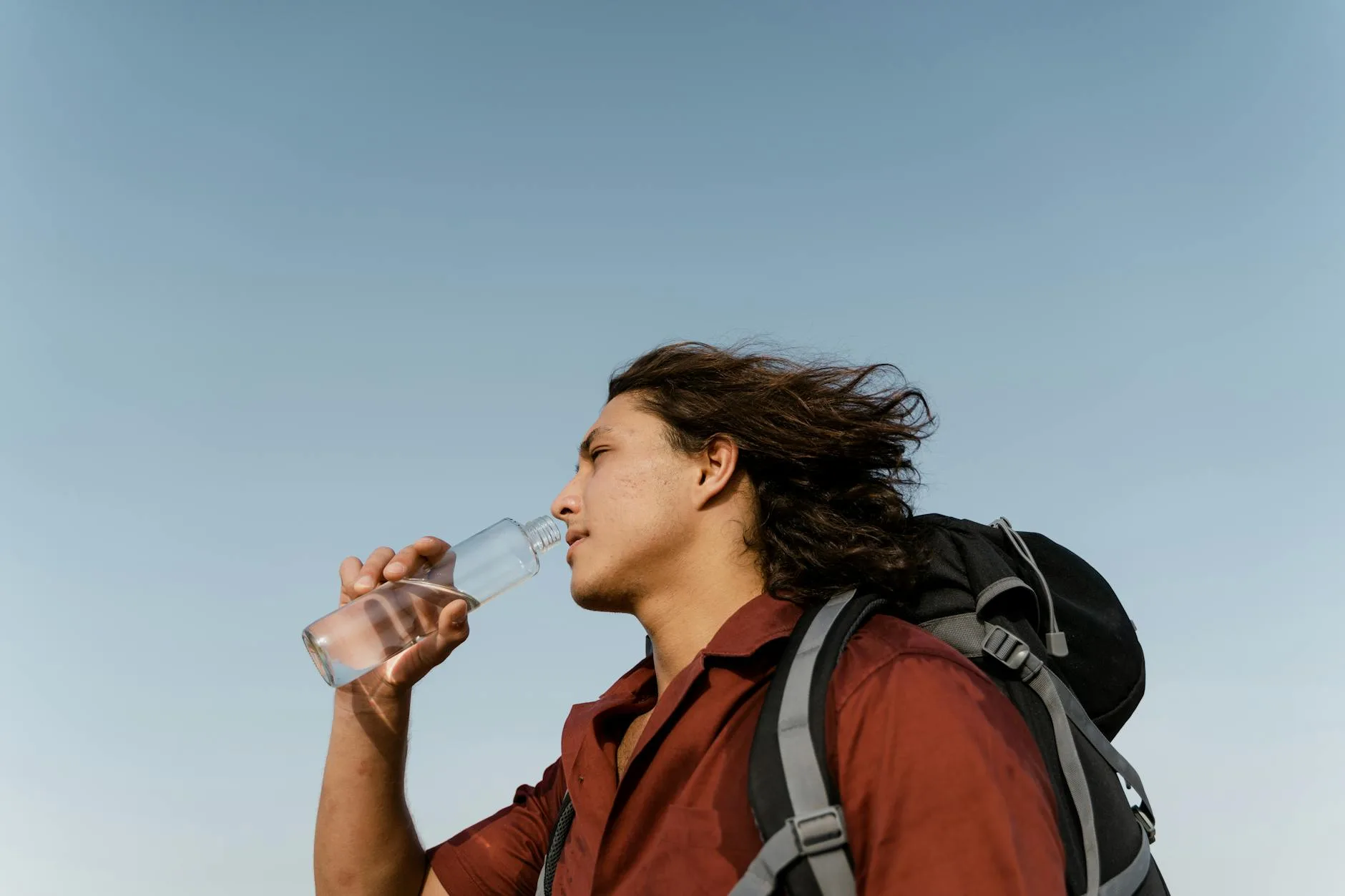
Best Water Filters for UK Hiking
Best Overall: Sawyer Squeeze (about £30)
The default recommendation for UK hikers and wild campers. At 55g, it weighs less than a pack of cards. Filters to 0.1 micron (removes everything except viruses, which aren’t a UK concern). Rated for 378,000 litres — you’ll lose it before you wear it out. Comes with a squeeze bag, but most hikers use a standard 1.5L soft drink bottle (Sawyer threads fit perfectly) which is lighter and more durable. Available at Decathlon, Amazon UK, and Alpkit.
Best for Day Hikes: Water-to-Go Bottle (about £25)
A 75cl bottle with a built-in filter. Fill from any source, drink through the cap. The filter removes bacteria, protozoa, and some viruses. Replacement filters cost about £12 and last for 200 litres. It’s the most convenient option for day walks where you’ll pass streams but don’t want to carry a separate filtration system. Available from watertogo.eu and outdoor retailers.
Best for Groups: Platypus GravityWorks 4L (about £60)
Hang the dirty bag from a tree or fence post, and 4 litres filters through in about 3 minutes with no effort. Ideal for camps and groups where you need bulk water. Heavier than a squeeze filter (325g) but the hands-free operation and large volume justify the weight for overnight trips. Available from Cotswold Outdoor and Amazon UK.
Budget Pick: Lifestraw Personal (about £15)
The entry-level option. Drink directly from streams through the straw filter. No waiting, no squeezing, no bottles. The limitation is that you can’t carry filtered water — it only works when you’re at the source. Best as a backup filter or for hikers on a tight budget who walk routes with frequent water sources. Available everywhere.
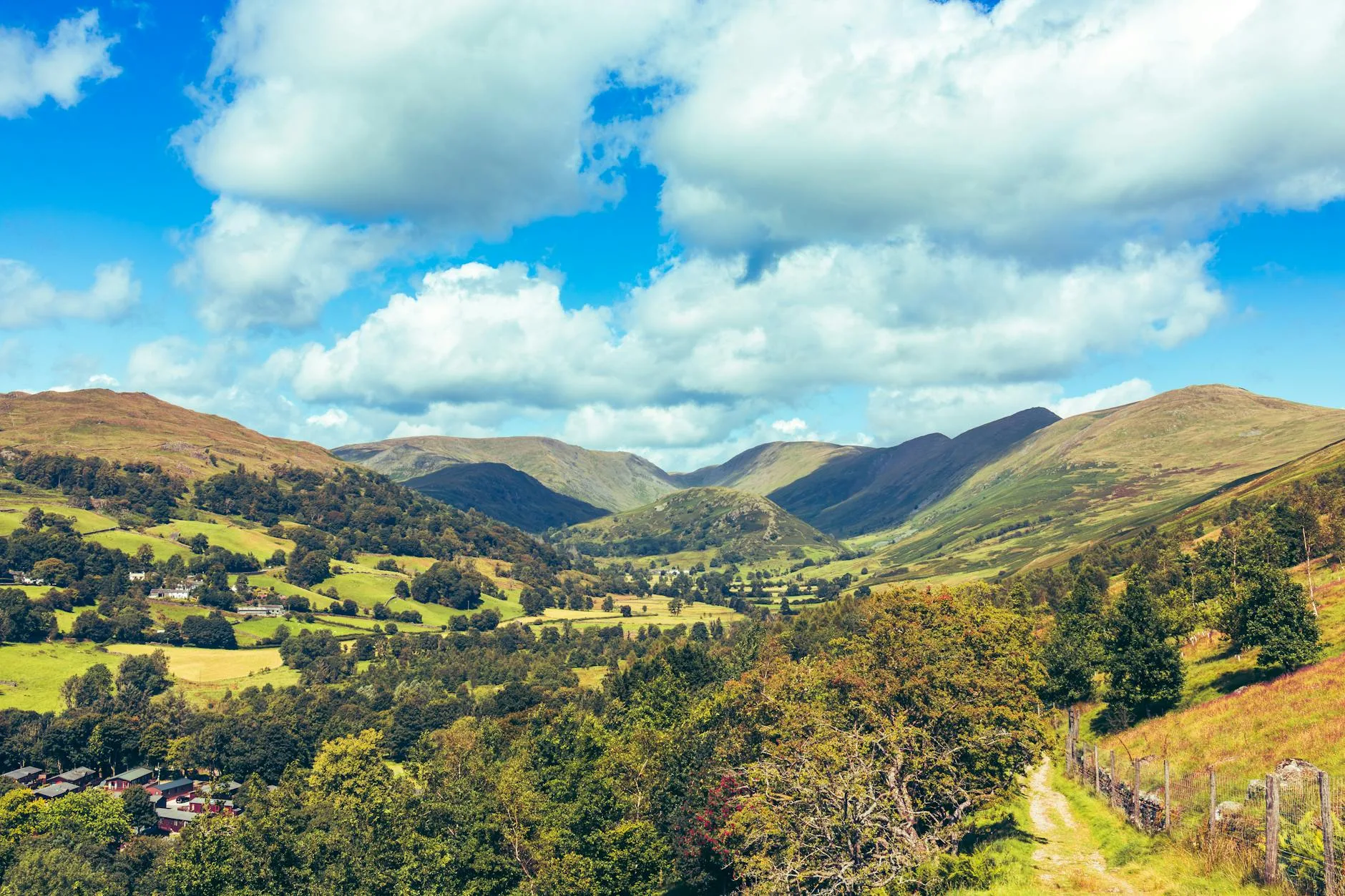
Where to Find Water on UK Hikes
Best Sources
- Fast-flowing mountain streams above the grazing line — the lowest risk. Water flowing over rocks with no livestock visible upstream is about as clean as UK surface water gets.
- Springs — water emerging directly from the ground is naturally filtered through rock. The best source if you can find one. Ordnance Survey maps mark springs with a blue ‘S’ symbol.
- Named water points on long-distance trails — trails like the Pennine Way, West Highland Way, and Coast to Coast have known reliable water sources documented in guidebooks and on trail community forums.
Sources to Avoid
- Still or slow-moving water — ponds, puddles, and sluggish streams concentrate pathogens. Only use as a last resort, and always filter AND chemically treat.
- Water below farmland — if you can see sheep, cattle, or agricultural land upstream, the water is almost guaranteed to be contaminated. Move upstream until you’re above the grazing.
- Urban streams and canals — industrial and sewage contamination. No amount of filtering makes these safe for drinking.
- Standing water on peat moorland — heavily tannin-stained (dark brown) and potentially contaminated. Filter first, and accept the tea-coloured result.
How to Assess a Water Source
Before filling your bottle, run through this quick mental checklist:
- Look upstream — can you see livestock, farms, or buildings? If yes, move upstream or find another source
- Check flow speed — fast-flowing water over rocks is safer than slow, pooled water
- Check clarity — clear water filters faster and is less likely to clog your filter. Murky water needs pre-filtering through a bandana or cloth
- Check the bank — excessive green algae growth or foam on the surface suggests nutrient pollution (usually agricultural runoff)
- Smell it — water should smell like nothing. Any off smells (chemical, sulphurous, sewage) mean walk on
Multi-Day Hiking Water Strategy
Day 1: Start Full
Leave camp or the trailhead with 2 litres. This gives you enough for 3-4 hours of moderate hiking before you need to find a source.
During the Day: Top Up Regularly
Don’t wait until you’re empty to filter. Every time you cross a good water source, top up even if your bottle is half full. On the Brecon Beacons and similar mountain areas, you might have abundant water for an hour and then nothing for three miles. It’s better to carry an extra 500ml than to ration the last mouthful uphill. Our How to Choose a Camping Spot: Terrain, Wind & Water guide is useful alongside this.
At Camp: Filter in Bulk
Set up your gravity filter or boil water at camp when you’ve stopped for the night. Fill all bottles and any collapsible water carriers. Having 3-4 litres at camp covers dinner, drinking, morning coffee, and departure water for the next day.
UK-Specific Considerations
- Scotland: abundant water everywhere outside the Central Belt. The Highlands have some of the cleanest surface water in Europe, though filtration is still recommended.
- Wales: plentiful mountain streams. The Brecon Beacons and Snowdonia are well-watered. Lower valleys near farmland need more caution.
- Lake District: plenty of becks and tarns, but heavy sheep grazing means most sources need treatment.
- Pennines and moorland: water is plentiful but often peat-stained. Tastes fine through a carbon filter.
- South East England: fewer natural water sources on chalk downs and lowland walks. Plan your water more carefully and carry extra. Filling from pub taps or cemeteries (which often have outdoor taps) is a time-honoured trick.
Common Mistakes
Not Carrying a Backup Method
Filters can break. Batteries die. Tablets get left at home. Always carry at least two treatment methods. A Sawyer Squeeze plus a strip of chlorine dioxide tablets weighs under 100g total and covers every scenario. If your primary breaks, the backup gets you home safely.
Using a Filter Without Maintaining It
Sawyer filters need backflushing after every use (30 seconds with the included syringe). Skipping this lets debris build up inside the filter, reducing flow rate until the filter becomes essentially unusable. Backflush every time, dry the filter before storing it (especially in winter — a frozen filter is a destroyed filter), and never let it sit wet in a pack for days.
Drinking Directly From the Source Without Checking Upstream
That clear stream could have a dead sheep in it 200 metres upstream. Always look upstream as far as you can see. Walk 30 seconds upstream before filling — it takes almost no time and massively reduces your risk.
Not Drinking Enough Because Filtering Feels Like Effort
Some hikers subconsciously drink less because filtering is an extra step. This leads to dehydration, which is a far more immediate risk than waterborne illness. Make filtering fast and habitual — the Sawyer Squeeze takes about 20 seconds per litre. There’s no excuse for dehydration when clean water is that accessible. Having the right rucksack setup helps too — keep your filter and bottle accessible, not buried at the bottom of your pack.
Ignoring Winter Freezing
Hollow fibre filters (like the Sawyer) are destroyed by freezing. The water inside the fibres expands and cracks them, creating pores large enough for pathogens to pass through — and you can’t see the damage. In winter, sleep with your filter inside your sleeping bag. During the day, keep it in an insulated pocket close to your body. If you suspect a filter has frozen, replace it.
Frequently Asked Questions
Can you drink stream water in the UK without filtering? You can, and many people do without getting ill. However, even clear mountain streams can contain Giardia, Cryptosporidium, and bacteria from livestock grazing upstream. A lightweight filter costs £15-30 and eliminates the risk. After one bout of suspected Giardia, most hikers decide the 30 seconds of filtering is worth it.
Do water filters remove chemicals and pesticides? Standard hollow fibre filters (like the Sawyer Squeeze) do not remove chemical contaminants — they only block physical particles like bacteria and protozoa. Filters with an activated carbon element (like the Water-to-Go bottle) do remove some chemicals. For UK mountain water, chemical contamination is rarely a concern above agricultural land.
How long does a Sawyer Squeeze filter last? The manufacturer rates it for 378,000 litres, which is functionally “forever” for recreational hiking. In practice, the filter will last many years if you backflush it after every use and don’t let it freeze. Most people lose or damage the soft squeeze bags long before the filter element fails.
Is boiling water enough to make it safe? Yes — boiling water at a rolling boil for 1 minute kills all pathogens including bacteria, protozoa, and viruses. It does not remove chemical contaminants or sediment, so pre-filter through a cloth if the water is murky. The main downside of boiling is the time and fuel required, which makes it impractical for on-trail purification during a day hike.
What is the cheapest way to filter water on a hike? The Lifestraw Personal filter costs about £15 and lets you drink directly from any water source. For a more versatile setup, the Sawyer Squeeze at about £30 lets you fill bottles with filtered water and lasts for years. A packet of chlorine dioxide tablets (about £6 for 50 litres) is the lightest and cheapest option overall but requires 30-minute wait times.