Camping in the UK means you’ll inevitably face rain at some point, whether you’re wild camping in the Lake District or pitching up at a family-friendly site in Cornwall. But with the right camping in rain tips UK campers swear by, you can transform a potentially miserable trip into a memorable adventure. This complete guide covers everything you need to know to stay dry, comfortable, and safe on wet British campsites – from packing and pitching to cooking, clothing, and managing condensation. Read on for actionable advice, expert kit recommendations, and answers to the most common questions about camping in the rain in the UK.
In This Article
- Accept the Weather Before You Pack
- Camping in Rain Tips UK Campers Actually Need
- Pitching for Drainage and Shelter
- Keeping the Sleeping Area Dry
- Cooking, Clothing and Wet Gear
- Managing Condensation
- Rainy Campsite Kit Worth Buying
- Mistakes That Make Wet Camps Miserable
- Frequently Asked Questions
Accept the Weather Before You Pack
Camping in Britain means accepting that rain is part of the adventure. The UK’s weather is famously unpredictable, so even if the forecast looks clear, it’s wise to prepare for showers. Before setting off, check the Met Office camping in wind and rain advice. Don’t let a gloomy forecast put you off – with the right mindset and kit, you can enjoy camping in any weather.
Mindset Makes a Difference
A positive attitude is your first line of defence. There’s a unique cosiness to being warm and dry inside your tent while rain drums on the flysheet. Embrace the challenge: rainy camping brings quieter campsites, atmospheric landscapes, and the satisfaction of overcoming the elements.
Pack for the Worst, Hope for the Best
Always bring a few extra layers, waterproofs, and spare socks. A microfibre towel, dry bags, and a waterproof jacket and trousers are must-haves. If you’re hiking in, balance weight and weatherproofing carefully. For car campers, it’s worth bringing extra kit for comfort.
Accept the Trade-offs
Carrying heavier wet weather gear or extra dry bags isn’t ideal, but it’s a small price to pay for comfort and safety. Prioritise kit that keeps you warm and dry, and remember: it’s better to have it and not need it than the other way round.
Camping in Rain Tips UK Campers Actually Need
Generic advice isn’t enough for the UK’s unique climate. Here are practical, UK-specific tips for camping in the rain:
Choose the Right Tent
Not all tents are created equal. For UK rain, look for a hydrostatic head of at least 3000mm, fully taped seams, a robust groundsheet, and a decent porch. The Vango vs Outwell vs Coleman: Family Tent Brands Compared article breaks down which brands handle British weather best.
Use a Footprint or Groundsheet
A separate groundsheet or footprint protects your tent floor and adds an extra barrier against groundwater. This is especially useful on well-used sites where the grass can get churned up quickly in the rain.
Bring a Tarp or Shelter
A tarp over your tent entrance or cooking area gives you somewhere to take off muddy boots, cook, or just sit outside when the rain is steady. Even a basic builder’s tarp and some bungees can make a big difference.
Keep Your Gear Organised
Keep dry and wet gear separate. Use dry bags or rubble sacks inside your rucksack, and have a system for what stays inside the tent and what gets stored in the porch. This helps you avoid the creeping misery of damp kit spreading through your living space.
Monitor the Forecast and Be Flexible
The weather can change quickly. Use the Met Office camping in wind and rain updates to decide when to pitch, cook, or hike. Sometimes a long lunch in a pub or a board game in the tent is the best way to wait out the worst showers.
Pitching for Drainage and Shelter
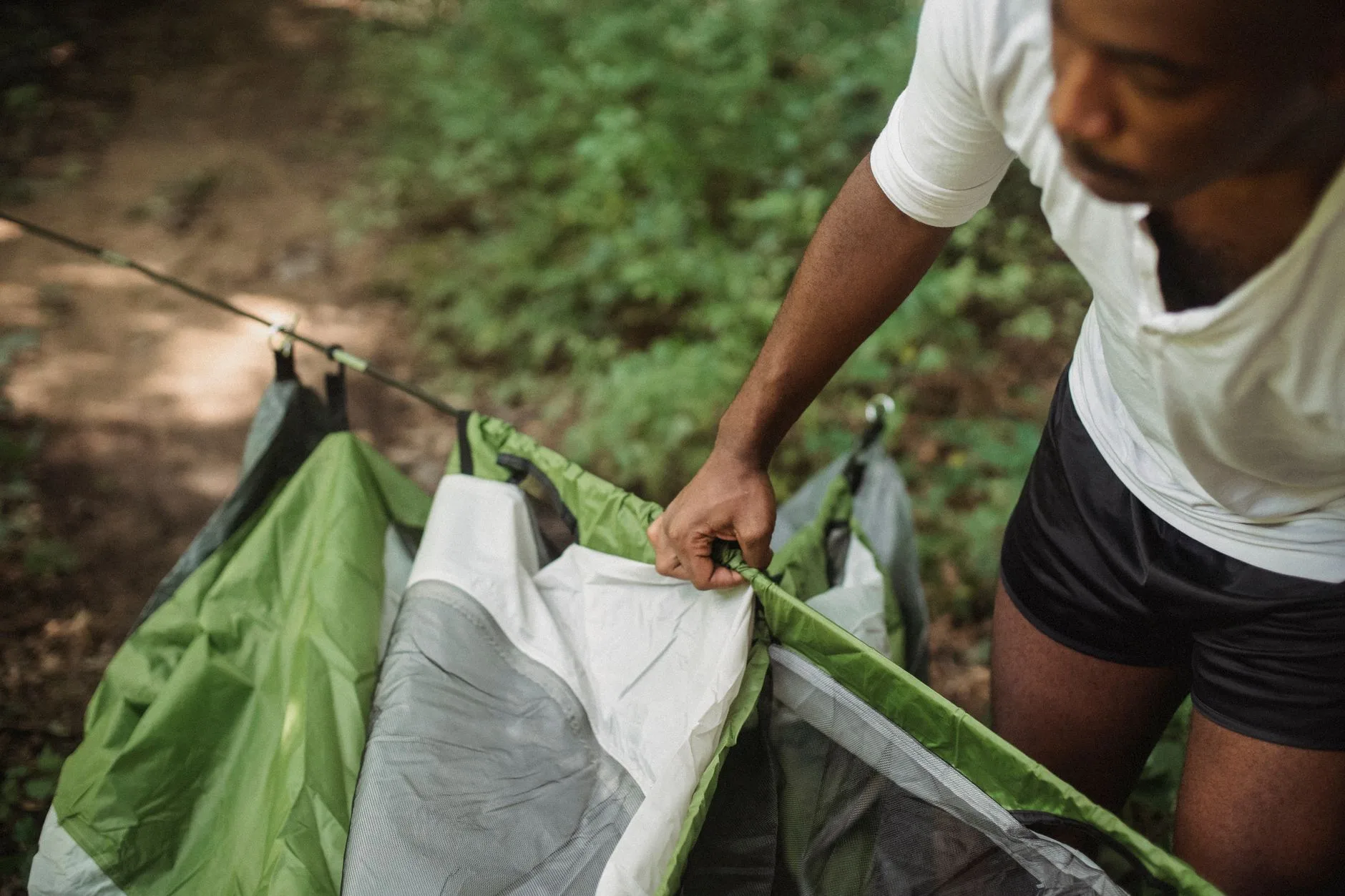
Where and how you pitch is just as important as what you pack. Poor site choice is the number one cause of wet tents and miserable nights.
Avoid Low Spots and Natural Gullies
Always pitch on slightly higher ground, even if it means a longer walk to the facilities. Water will run downhill and pool in dips – I’ve seen tents surrounded by moats after a stormy night.
Look for Natural Shelter
Trees and hedges can provide some protection from wind-blown rain, but avoid pitching directly under large branches. Use shelter as a windbreak, not a roof.
Assess the Ground Surface
Firm, well-drained grass is best. If the ground is boggy or compacted, water will pool quickly. Avoid pitching on bare earth or clay soil, which turns to mud and can seep water upwards through your groundsheet.
Pitch with the Weather in Mind
Face the tent’s lowest profile towards the prevailing wind, usually west or southwest in the UK. Stake out all guy lines securely, and use extra pegs if the ground is soft. For a step-by-step guide, see How to Pitch a Tent in Bad Weather.
Use a Porch or Vestibule Wisely
A porch is invaluable in wet weather. It keeps muddy boots and wet coats out of your sleeping area and provides a space to cook or change. If your tent doesn’t have one, a tarp or even a cheap pop-up shelter can help.
Keeping the Sleeping Area Dry
Your sleeping area is your sanctuary. Protecting it from damp is crucial for comfort and warmth.
Separate Wet and Dry Areas
Set strict zones: wet gear and boots stay in the porch, dry kit and bedding stay inside. Always have a change of clothes and dry socks reserved for bedtime, no matter how tempting it is to put them on earlier.
Use a Good Sleeping Bag
A synthetic sleeping bag handles damp better than down, which can clump and lose insulation if it gets wet. For tailored advice, see How to Choose a Sleeping Bag for UK Camping.
Elevate Your Sleeping Mat
If your tent floor is prone to seepage, use a closed-cell foam mat or inflatable pad to keep yourself raised above any cold spots. Even a yoga mat can help.
Dry Out Bedding When You Can
If you get a break in the weather, hang your sleeping bag and mat outside to air. Even a little sun or breeze will help. Do this during breakfast if the rain stops.
Keep Condensation at Bay
Ventilate your tent as much as possible without letting rain in. Crack open vents or doors to allow moist air to escape, especially before going to bed.
Cooking, Clothing and Wet Gear
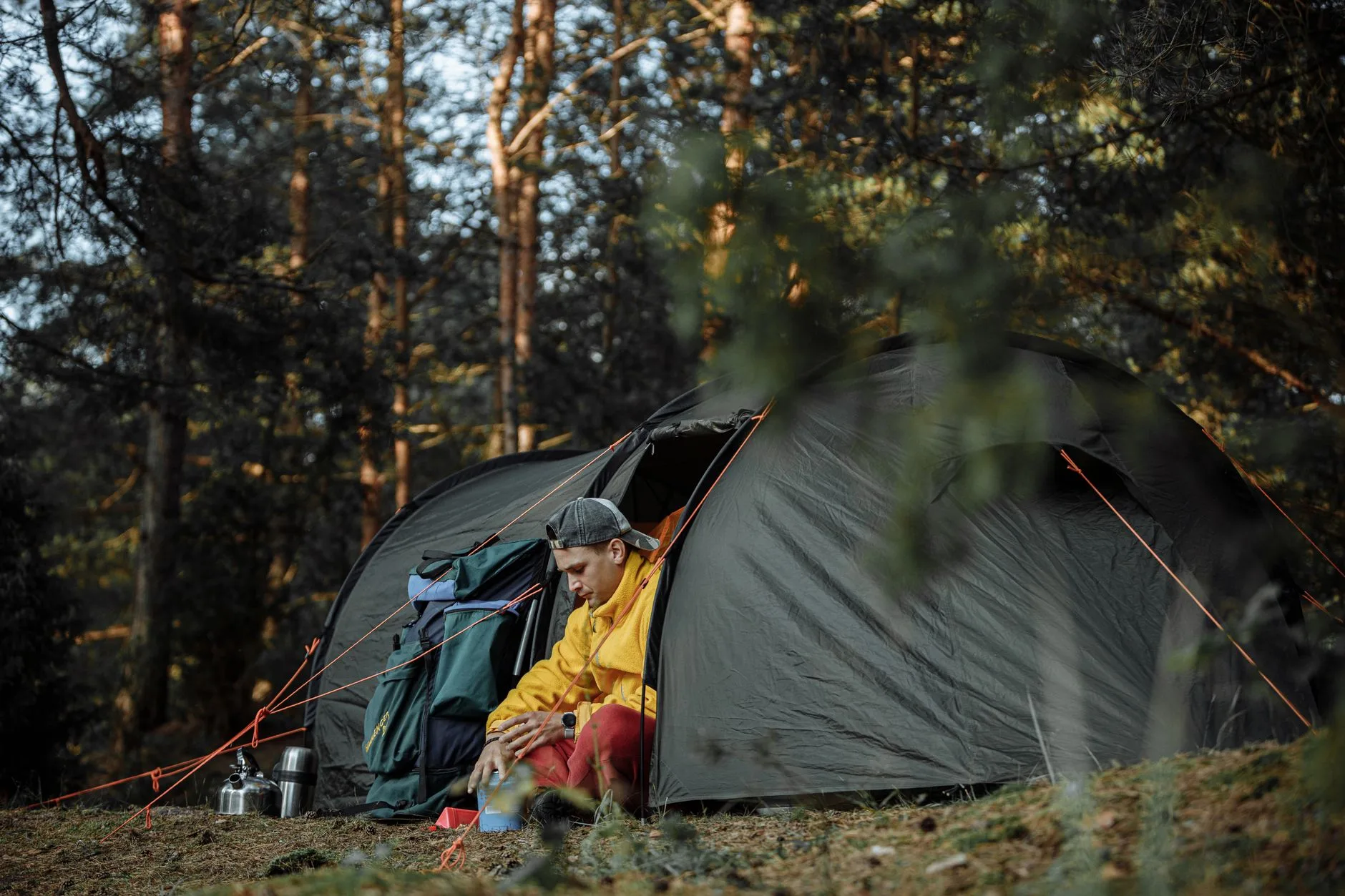
Keeping yourself fed and clothed is more challenging in the rain, but with some planning, you can avoid cold meals and soggy socks.
Cooking Under Cover
Never cook inside a tent due to carbon monoxide risk and fire hazard, but a tarp or open porch lets you use a camping stove out of the rain. If you’re unsure about safe setups, the AdventureSmart UK safety advice covers this.
Packing and Managing Clothing
Bring more socks and underwear than you think you’ll need. Quick-drying synthetic or merino wool layers are best. Avoid cotton, which holds water and chills you. Store spare clothes in dry bags or rubble sacks.
Dealing With Wet Gear
Set up a drying line under your tarp or in the porch for wet coats and boots. For tips on drying tricky kit, How to Dry Wet Hiking Gear in Camp has practical ideas.
Hot Drinks and Comfort Food
A flask of tea or instant soup can do wonders for morale. Bring a small gas stove and a lightweight kettle so you can make hot drinks quickly, even in poor weather.
Numbered Routine for Dealing With Wet Kit
- Strip off wet outer layers before entering the tent.
- Hang wet kit on a line or over the porch rail.
- Wipe down boots and leave them outside or in a bag in the porch.
- Change into dry clothes kept in a sealed bag.
- Air out wet kit whenever the weather improves.
Managing Condensation
Condensation is a particular nuisance in UK rain, especially in modern tents with less airflow.
Why Condensation Happens
Warm air from people and cooking meets the cold tent fabric, causing water to collect inside. In heavy rain, closing vents keeps water out but traps moist air, leading to drips and damp sleeping bags.
Tips to Reduce Condensation
- Keep vents open as much as you can without letting rain blow in.
- Avoid cooking inside or directly outside open tent doors.
- Dry wet clothes outside the sleeping area.
- Use a microfibre cloth to wipe down tent walls in the morning.
Trade-offs of Ventilation
More airflow means less condensation but potentially more cold air. Open vents on the sheltered side of the tent and close upwind vents during heavy showers.
Tent Design Matters
Some tents handle condensation better than others. Double-wall tents with mesh inner layers and well-placed vents make a big difference. For brand-specific details, the Vango vs Outwell vs Coleman guide is helpful.
Rainy Campsite Kit Worth Buying
The right gear can transform a wet camping trip from struggle to comfort. Here’s what’s genuinely useful for camping in the rain in the UK:
- Quality Waterproofs: Invest in a breathable, fully waterproof jacket and trousers. Brands like Berghaus, Rab, and Craghoppers are widely available in the UK.
- Tent Footprint or Groundsheet: Protects your tent floor and reduces rising damp.
- Tarp or Shelter: Multipurpose and invaluable for creating dry space.
- Dry Bags: Keep clothes, electronics, and bedding dry. Even cheap rubble sacks work in a pinch.
- Microfibre Towels: Quick drying and handy for mopping up leaks or condensation.
- Portable Stove and Gas: For hot drinks and meals when you can’t use the campsite facilities.
- Spare Pegs and Guylines: Wet, windy weather tests your tent’s stability.
- Collapsible Bucket: For carrying water or washing muddy boots.
- Camp Chair with Waterproof Seat: If you like to sit outside, this is a comfort boost.
- Headtorch or Lantern: Essential for dark, rainy evenings when you need both hands free.
- Waterproof Storage Box: For food, electronics, and valuables.
Mistakes That Make Wet Camps Miserable
Some errors are easy to avoid once you know them. Here are the ones I’ve made or seen most often:
- Pitching in a Dip: Water always finds the lowest spot.
- Not Pegging Out Properly: Skipping guy lines leads to saggy tents and leaks. The How to Pitch a Tent in Bad Weather guide covers this.
- Bringing the Wrong Sleeping Bag: Down bags can become useless if wet. See How to Choose a Sleeping Bag for UK Camping.
- Failing to Separate Wet and Dry Gear: Damp kit spreads quickly.
- Ignoring Condensation: Leads to a wet sleeping bag even with a dry tent.
- Forgetting to Store Your Tent Properly: If you pack away a damp tent, it’ll be mouldy next time. How to Store a Tent Between Trips explains how to avoid this.
- Wearing Cotton Layers: Cotton holds water and chills you. Stick to synthetic or wool.
- Not Checking the Forecast: Sudden changes can catch you out. Always check before heading out or packing up.
- Leaving Wet Gear in the Tent: Always try to dry kit outside or under a tarp to avoid spreading damp.
Before you zip the tent shut for the night, do one final reset: wet kit in the porch, dry layers sealed away, vents open on the sheltered side, and a headtorch within reach.
Frequently Asked Questions
How do I keep my tent dry inside during heavy rain?
Pitch on high ground, use a groundsheet or footprint, and keep the inner tent zipped up. Ventilate to reduce condensation, and keep wet gear out of the sleeping area.
Is it safe to cook inside a tent porch in the rain?
Cooking inside a fully enclosed tent is not safe due to carbon monoxide risk. Use a tarp or well-ventilated porch, and follow AdventureSmart UK safety advice.
What’s the best way to dry wet clothes while camping in the rain?
Hang clothes under a tarp, in the porch, or on a line between trees. Microfibre towels can help speed up drying. See How to Dry Wet Hiking Gear in Camp for more tips.
How do I prevent condensation in a tent when it’s raining?
Keep vents open as much as possible, avoid cooking inside, and wipe down tent walls in the morning. Store wet gear outside the main sleeping area.
Can I camp comfortably in the rain with children?
Yes, with preparation. Bring extra clothes, games, and set strict wet/dry zones. Choose a tent with a roomy porch or an awning for extra space.
What should I do with a wet tent after a rainy trip?
Dry it out at home as soon as possible to prevent mould. The How to Store a Tent Between Trips guide explains the best methods.
—
Final Thoughts: Embracing Rainy Camping in the UK
Camping in the rain isn’t just about surviving – it’s about thriving. With the right preparation, kit, and attitude, you can enjoy some of the UK’s most beautiful landscapes at their most atmospheric. Remember, every camper in Britain has a rainy story to tell – and with these tips, yours will be a good one.
Whether you’re a seasoned wild camper or planning your first family trip, following these camping in rain tips UK campers trust will help you make the most of every wet-weather adventure. Happy camping!