What to wear hiking UK trails depends less on the calendar month and more on wind, rain, terrain and how hard you run hot. A decent outfit is a flexible system: quick-drying base layer, adjustable warmth, proper waterproofs, grippy footwear and a few small extras that stop a normal British walk turning miserable. You do not need a wardrobe full of expensive kit, but you do need to avoid cotton, jeans and fashion trainers once the route gets muddy, exposed or longer than a park loop.
In This Article
- What to wear hiking UK: the layer system that actually works
- What to wear hiking in spring
- What to wear hiking in summer
- What to wear hiking in autumn
- What to wear hiking in winter
- Footwear, socks and trousers for British trails
- Small extras that make a big difference
- What I would buy first on a realistic budget
- Frequently Asked Questions
What to Wear Hiking UK: The Layer System That Actually Works
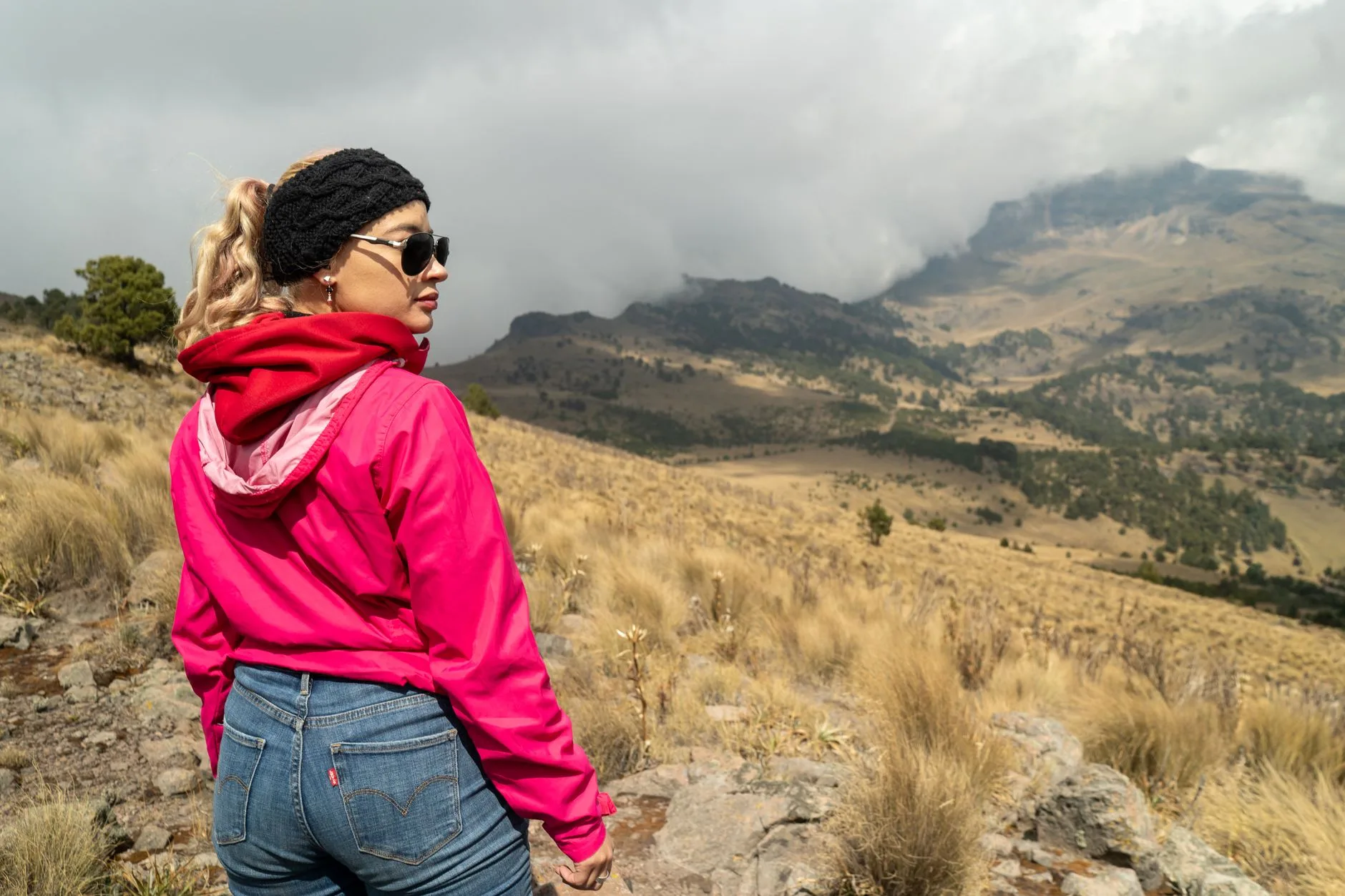
The best answer to what to wear hiking UK routes is a layer system, not one heroic jacket. The British Mountaineering Council’s hill walking clothing advice backs the same principle: several thinner layers work better than one bulky layer because you can adjust them as conditions and effort change. That sounds obvious until you see people sweating in a thick coat on the first climb, then shivering at the trig point ten minutes later.
The BMC’s guide to hill walking clothing and layers is worth reading because it is practical rather than gear-snobby. For most UK day hikes, I would think in four jobs.
Base layer: move sweat away
Your base layer sits against the skin, so cotton is the mistake. Cotton gets wet, stays wet and feels cold when you stop. A polyester running top works for summer and costs about £8-£20 from Decathlon, Sports Direct or Amazon UK. Merino is nicer for cooler days and multi-day trips because it smells less quickly, but the price jumps. GO Outdoors often lists OEX merino tops around £45-£55, while Smartwool can be £80-£105.
If I were buying one base layer for mixed UK walking, I would choose a thin synthetic long sleeve first. It is cheaper, dries faster after rain, and works under a fleece without feeling bulky. Merino becomes more tempting if you camp, travel light or hate that clammy synthetic feel.
Mid layer: warmth you can remove
A fleece is still the boring answer because it works. Decathlon’s Quechua MH100-style fleeces are often around £15-£25, and they are fine for lowland walks, family camping trips and a backup layer in a day pack. For colder hills, a grid fleece or light synthetic jacket is better because it breathes while you climb. If you want the deeper version of this choice, the site’s Merino Wool vs Synthetic Base Layers guide explains the warmth, drying and smell trade-offs without turning it into fabric science homework.
Avoid making the mid layer too thick. After years of wet school-run dog walks and weekend hills, the layer I reach for most is not the warmest fleece I own; it is the one I can wear on the move without cooking myself.
Waterproof shell: protection, not warmth
Your waterproof jacket is there to block rain and wind. It does not need to be insulated unless you are buying for winter standing-around use. A budget Decathlon NH100 waterproof jacket can be about £29.99, while a more serious hiking shell from Berghaus, Rab, Montane or Mountain Equipment often sits around £100-£250 at Cotswold Outdoor, Go Outdoors or Alpkit. The separate waterproof jacket ratings explainer is useful if you are trying to decode hydrostatic-head numbers on product pages.
For casual paths, a cheap waterproof is fine. For Snowdonia, the Lakes, the Peaks or exposed coastal routes, pay for a proper hood, adjustable cuffs, longer cut and pit zips if you can. Breathability matters when you are climbing in rain because a bargain jacket can leave you wet from sweat rather than weather.
What to Wear Hiking in Spring
Spring is awkward because the car park can feel warm and the hill can still behave like February. I dress for changeability rather than sunshine: synthetic base layer, light fleece, waterproof jacket in the pack, and trousers that dry quickly after wet grass. If the walk is tied to a weekend camp, pair this clothing approach with the practical tips in How to Camp Comfortably in the Rain, because wet kit management starts before you unzip the tent.
For a typical March or April walk in the Chilterns, South Downs or Peak District, I would wear:
- Top: synthetic long-sleeve base layer, around £10-£25.
- Warmth: light fleece, around £15-£45.
- Outer: packable waterproof shell, ideally with a real hood.
- Legs: walking trousers, not jeans; Decathlon NH100 trousers are often about £14.99, while sturdier pairs run £35-£80.
- Feet: waterproof walking shoes or boots if the route crosses fields.
The common spring mistake is dressing for the first 15 minutes. You start cold, climb hard, sweat through your base layer, then stop for lunch and get chilled. Start slightly cool, keep your fleece accessible, and put the waterproof on before rain soaks your mid layer.
I also like a thin beanie or buff in spring. They weigh almost nothing, cost about £5-£15, and make a windy ridge feel much less grim.
What to Wear Hiking in Summer
Summer hiking kit should protect you from heat, sun, showers and midges without turning you into a boil-in-the-bag meal. Shorts are fine on clear paths, but long lightweight trousers are better through bracken, nettles, ticks and rough moorland.
For June to August day walks, start with a breathable T-shirt or sun hoodie. A synthetic running top from Decathlon, Mountain Warehouse or Amazon UK is enough for many routes, usually £8-£25. A lightweight merino tee is nicer but can be £45-£70, so I would not make it the first upgrade unless you walk a lot.
Hot weather still needs rain kit
The Met Office mountain forecast page is blunt about UK hills: conditions can vary quickly, and mountain weather can be dangerous for under-prepared walkers. Check the forecast before you leave, but still carry a waterproof layer if the walk is remote, high or long.
On lowland summer walks, a very light rain shell or windshirt may be enough. On mountain routes, I would still carry a proper waterproof. You may not use it. That is the point. For longer days where clothing has to fit around food, layers and waterproofs, the rucksack packing guide helps keep spare kit reachable rather than buried under lunch.
Sun and sweat choices
Baseball caps are fine on gentle trails, but a brimmed hat is better for exposed ridges and coastal paths. Sunglasses matter too, especially on chalk, water, pale rock or long open tracks. You do not need £150 sports sunglasses; Decathlon and Amazon UK sell usable UV400 pairs from about £10-£25.
For socks, thin wool-blend or synthetic hiking socks beat cotton sports socks. Bridgedale, Darn Tough, Smartwool and Decathlon all sell good options. Expect £6-£12 for budget pairs and £18-£28 for premium ones. If your feet run hot, go thinner before you blame the boots.
What to Wear Hiking in Autumn
Autumn is my favourite hiking season and the one where clothing choices matter most. Paths are muddy, days shorten, wind picks up, and you can move from warm woodland to cold exposed tops in one hour.
The autumn outfit I trust is a synthetic base layer, fleece, waterproof shell, walking trousers, waterproof boots or shoes, and spare warm layer in the pack. If the route is high or remote, I add waterproof trousers even when the forecast looks merely “showery”. This is also the season where the wider clothing and layers buying guide earns its keep, because small material choices start to matter when wind and damp arrive together.
Waterproof overtrousers are not glamorous, but neither is spending two hours in soaked walking trousers. GO Outdoors lists basic Peter Storm waterproof packable trousers around £20 member price or £25 retail, while heavier waterproof trousers can sit around £50-£130. Cheap ones are sweaty, but they are still useful when rain is hammering sideways.
Wind changes the calculation
Wind strips heat quickly when you stop. A light windproof can be more comfortable than a waterproof in dry, breezy conditions because it breathes better. If you already own a waterproof jacket, use that first. If you walk often, a thin windshirt around £35-£80 is one of those upgrades that seems unnecessary until you use it every week.
Autumn is also when gloves return to the pack. Thin liner gloves cost about £8-£20 and are enough for most walking. Waterproof gloves are better for cold rain, but the good ones cost £35-£70, so do not rush unless your hands suffer.
What to Wear Hiking in Winter
Winter hiking in the UK covers two different activities: cold muddy walking and proper winter mountain conditions. Do not confuse them. A frosty woodland loop and a snow-covered ridge need different judgement.
For normal winter walks, wear a warmer base layer, fleece or synthetic mid layer, waterproof shell, warmer socks, gloves and hat. Carry a spare insulated layer for stops. A synthetic insulated jacket from Decathlon, Alpkit or Mountain Warehouse can be around £35-£90; premium down or synthetic jackets from Rab or Patagonia can be £150-£300.
Avoid sweating early
The winter trap is overdressing at the start. You feel cold by the car, pile everything on, then sweat uphill. Once damp, you chill fast when the wind hits. I usually start with base layer, fleece and shell if it is windy or wet, keeping the insulated jacket packed for stops.
If snow, ice or high wind is likely, clothing is only part of the decision. You may need winter boots, microspikes, crampons, ice axe skills or the sense to choose a lower route. The Met Office mountain weather forecast should be a normal pre-walk check for serious hills, not something you glance at after breakfast.
Footwear, Socks and Trousers for British Trails
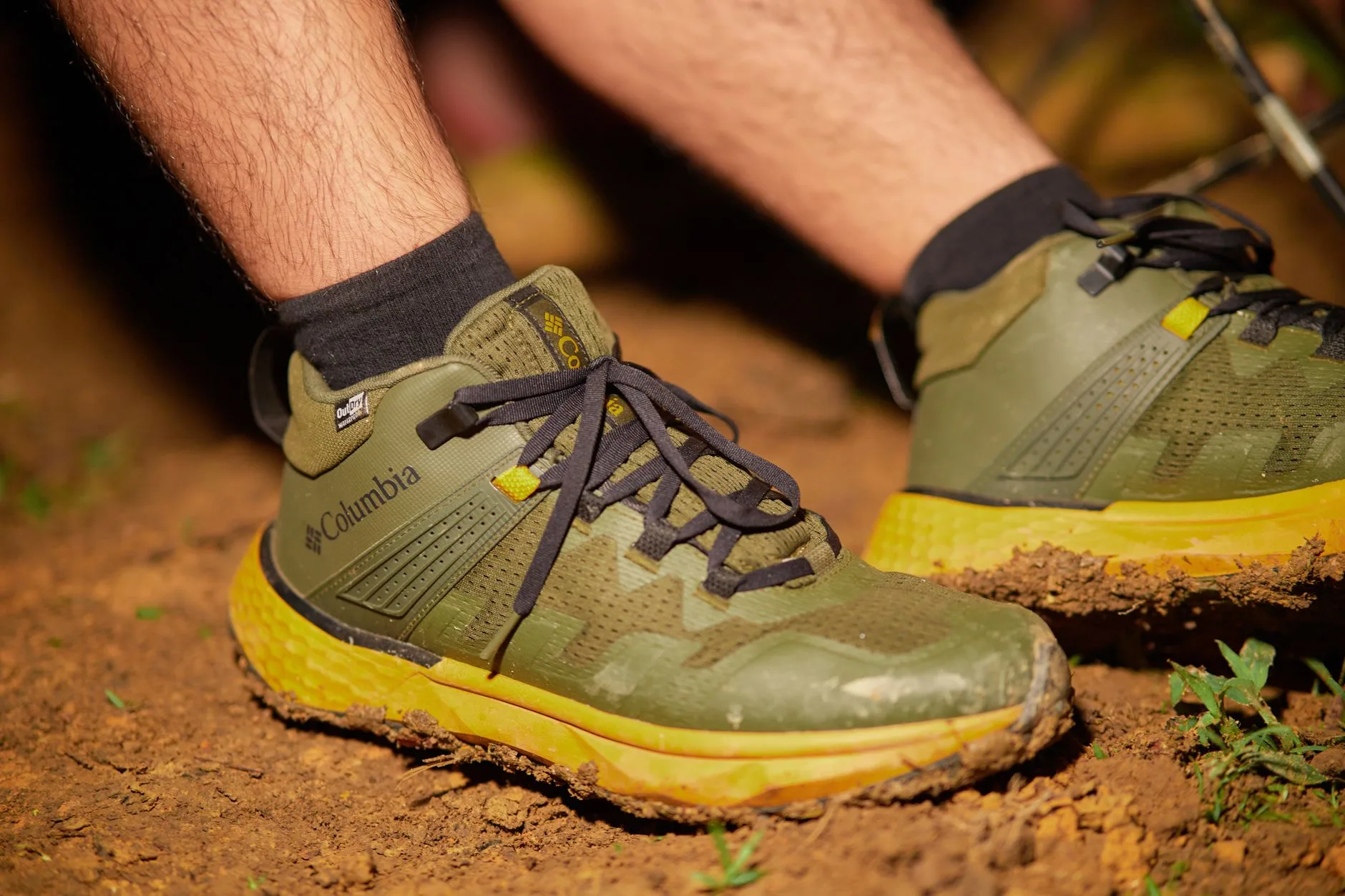
Footwear is where what to wear hiking UK advice gets personal. Some walkers love boots; others prefer trail shoes. The right answer depends on terrain, ankle confidence, pack weight and how wet the ground is.
Boots or shoes?
Walking boots are better for mud, wet grass, rocky tracks and carrying a heavier pack. They give more ankle coverage and usually keep water out for longer. Good budget boots start around £50-£80 from Decathlon, Mountain Warehouse or Go Outdoors. Mid-range boots from Merrell, Salomon, Keen or Berghaus are often £90-£160. Premium leather boots from Meindl, Scarpa or Altberg can be £180-£280.
Walking shoes or trail shoes feel lighter and dry faster. They suit summer paths, faster walking and people who hate heavy boots. The trade-off is less ankle protection and more wet socks in long grass. If you mostly walk canal paths, country parks and dry trails, shoes are fine. If your weekends involve bog, steep descents and winter fields, buy boots first.
Socks matter more than people admit
A good boot with bad socks still rubs. Choose hiking socks with padding where your footwear presses. Thin summer socks are good in breathable shoes; thicker wool-blend socks suit boots and cold weather. I would rather own two pairs of decent £18 Bridgedale or Darn Tough socks than five pairs of cheap cotton sports socks.
Blister-prone walkers should test sock and footwear combinations on short walks first. Take blister plasters on longer days. That is not dramatic expedition advice; it is the difference between enjoying the pub afterwards and limping like you made a poor life choice.
Trousers beat jeans
Jeans are terrible hiking trousers. They hold water, restrict movement and feel cold when wet. Lightweight walking trousers dry faster, stretch better and usually have pockets that work with a rucksack hip belt.
Budget walking trousers from Decathlon can be around £14.99-£24.99. Better stretch trousers from brands such as Craghoppers, Montane, Rab or Fjallraven can run £50-£150. You do not need the premium pair for local walks, but you do need something that handles mud and drizzle without staying soaked all day.
Small Extras That Make a Big Difference
The small clothing extras are easy to forget because they do not look like major kit. They are also the things people borrow from the one organised walker in the group.
- Buff or neck tube: about £5-£18, useful as neck warmth, ear cover or sun protection.
- Beanie: about £8-£25, especially useful for windy lunch stops.
- Gloves: £8-£20 for liners, £35-£70 for waterproof gloves.
- Cap or sun hat: £8-£30, more important than it looks on exposed summer walks.
- Spare socks: £6-£28, worth carrying on wet or long routes.
- Dry bag: £8-£20, keeps your spare layer dry inside the rucksack.
I would also carry a small spare warm layer even in mild weather if the route is exposed. A packed fleece or synthetic gilet takes little space and saves the day when someone twists an ankle or lunch takes longer than planned.
The key is not carrying a shop’s worth of clothing. It is keeping one dry, warm layer protected inside the bag. Once your spare fleece is wet because you shoved it loose under a leaking water bottle, it stops being spare warmth and becomes ballast.
What I Would Buy First on a Realistic Budget
If you are starting from normal casual clothes, do not buy everything at once. Spend where failure is most painful: feet, rain and wet-cold layers.
Budget setup: around £120-£180
For lowland day walks and beginner hikes, I would buy a synthetic base layer for £10-£20, a Decathlon or Mountain Warehouse fleece for £15-£30, budget walking trousers for £15-£30, basic waterproof jacket for £30-£60, hiking socks for £8-£18, and walking shoes or entry boots for £50-£80.
This setup will not make you look like a Lake District guide, but it is a huge upgrade from hoodie, jeans and trainers. The biggest weakness is the waterproof jacket, so choose routes sensibly in heavy rain.
Better all-round setup: around £250-£450
For regular UK walking, I would upgrade footwear first, then waterproofs. Look at boots or shoes around £100-£160, a breathable waterproof jacket around £100-£180, walking trousers around £45-£80, two good sock pairs, and a fleece or grid fleece around £35-£70.
This is the sweet spot for most walkers. You get comfort and safety without buying technical kit designed for winter mountaineering.
Premium setup: £600+
Premium clothing makes sense if you hike often, do multi-day trips, or spend time in exposed hills. A £220 waterproof shell, £180 boots, £90 softshell trousers, £70 fleece, £80 merino base layer and £50 gloves add up quickly. The improvement is real, but only if you use it enough to notice the difference.
My priority would be: boots that fit, waterproof jacket that does not flap around uselessly, trousers that dry quickly, then better base layers. Fancy insulated jackets can wait.
Frequently Asked Questions
Can I wear trainers for hiking in the UK? Trainers are fine for dry park paths and short easy walks, but they are poor on muddy fields, wet rock and steep descents. Trail shoes or walking shoes give better grip, and waterproof boots are safer for winter mud.
Are jeans OK for hiking? Jeans are a bad choice for proper hiking because cotton denim holds water and dries slowly. Walking trousers around £15-£50 are a much better first buy because they move better and dry faster.
Do I need waterproof trousers for UK hiking? Not for every walk, but they are worth carrying on wet, cold, long or exposed routes. Budget overtrousers cost about £20-£40 and can stop a rainy day becoming miserable.
Is merino worth it for hiking? Merino is worth it if you walk often, camp, travel light or dislike synthetic base layers. For beginners, a £10-£20 synthetic top is the better first purchase because it dries quickly and costs far less.
What should I wear hiking in summer rain? Wear a breathable synthetic top, lightweight walking trousers or shorts, hiking socks, grippy shoes, and carry a waterproof shell. Avoid heavy insulated waterproofs because you will overheat quickly.
What is the biggest clothing mistake new hikers make? The biggest mistake is wearing cotton and relying on one thick coat. A few thinner layers work better because you can adjust them as your body warms up, the wind rises or rain arrives.