Training for a long walk is mostly about making your feet, legs and lungs boringly reliable. You do not need a heroic gym plan; you need enough steady walking, hill practice, pack conditioning and recovery that a 20km day in the Lakes or a multi-day coastal path does not turn into damage control. This hiking fitness training walks guide keeps the work practical for UK walkers with jobs, weather and weekends to fit around.
In This Article
- What Hiking Fitness Training Walks Actually Means
- Work Backwards From the Walk You Have Planned
- Build Walking Volume Without Breaking Yourself
- Add Hills, Pack Weight and Strength Work
- Kit, Footwear and UK Costs to Budget For
- A Four-Week and Eight-Week Training Plan
- Recovery, Warning Signs and Final Checks
- Frequently Asked Questions
What Hiking Fitness Training Walks Actually Means
Hiking fitness is not the same as being able to run 5km or survive a hard circuits class. Long walks ask for repeated low-to-moderate effort, steady balance on uneven ground, calves that cope with climbs, knees that tolerate descents and feet that can handle hours of rubbing, swelling and impact.
The useful test is simple: can you finish the walk, eat properly afterwards, sleep, and still move normally the next morning? If the answer is no, you need more gradual time on feet rather than one massive panic walk the weekend before.
The four things that matter
For most UK long walks, train these four areas:
- Time on feet: the main driver. A two-hour walk teaches your body more than a 20-minute blast on a treadmill.
- Climbing and descending: hills load calves, glutes, knees and hips differently from flat paths.
- Pack tolerance: even a 5kg day pack changes posture and shoulder fatigue over several hours.
- Foot durability: socks, boots, skin care and blister prevention matter as much as cardio.
The NHS physical activity guidance for adults recommends regular weekly activity and strength work, which is a sensible base for walking fitness. If you are coming from very little exercise, build from that baseline before chasing big mileage.
What good training feels like
Good training should feel repeatable. You should finish most sessions thinking you could have done a bit more. Save the hard efforts for planned hill sessions or longer weekend walks. If every outing leaves your legs cooked for two days, the plan is too aggressive.
The mistake I see most often is treating hiking as a single big event. Someone books the Yorkshire Three Peaks, does one long walk in new boots, gets a hot spot after 8km, then spends the event negotiating with their feet. No judgement; it is a classic. It is also avoidable, and a steady hiking fitness training walks plan is usually the cure.
Work Backwards From the Walk You Have Planned
Start with the actual walk, not a generic fitness target. A flat 24km canal walk, a hilly 14km Peak District route and a two-day wild-camping route need different preparation. Distance matters, but ascent, terrain, pack weight and back-to-back days matter more.
Check the route details
Before planning training, write down:
- Total distance: in kilometres, not just estimated time.
- Total ascent: 500m of climbing changes the day completely.
- Terrain: pavement, forest track, bog, loose rock, steps or open fell.
- Pack weight: day pack, child-carrier, camping kit or lightweight fast-pack setup.
- Consecutive days: one hard day is different from three moderate days in a row.
Use reliable route notes, OS Maps, Komoot, AllTrails or local walking guides, but sense-check the timings. A route that says “moderate, 5 hours” can still be a slog in rain, mud and low cloud. Before exposed hill days, check the Met Office mountain weather forecast rather than relying on a generic town forecast.
Set a realistic training target
You do not need to match the full event distance in training, but you should get close enough that the day is not a shock. A useful rule:
- For a one-day 15km walk: build to a comfortable 10-12km training walk.
- For a one-day 25km walk: build to 18-22km, ideally with similar ascent.
- For a multi-day walk: practise two back-to-back days, even if each is shorter.
If you are also sorting clothing, use the site’s seasonal UK hiking clothing guide early, not the night before. Training in the layers you will actually wear is the fastest way to find annoying seams, sweaty waterproofs and socks that bunch.
Build Walking Volume Without Breaking Yourself
The safest way to improve hiking fitness is to add walking volume gradually. Your lungs adapt faster than tendons, feet and knees. That is why a sudden 25km day can feel aerobically fine until your feet and hips start filing complaints.
Use three types of walk
A balanced week uses:
- Easy short walks: 30-60 minutes at a relaxed pace, useful on weekdays.
- Purposeful walks: 60-90 minutes with a brisker pace, hills or a light pack.
- Long walk: one weekly walk that gradually extends time on feet.
If you currently walk very little, start with three walks a week. If you already walk the dog daily or commute on foot, keep that base and add one focused session plus one longer weekend walk.
Increase one thing at a time
Do not add distance, hills, speed and pack weight in the same week. Pick one. A sensible progression might be:
- Week one: three easy walks and one longer walk of 6-8km.
- Week two: keep the same route but add a few hills or steps.
- Week three: extend the long walk by 2-4km.
- Week four: reduce volume slightly so your feet and knees catch up.
That lighter fourth week is not laziness. It is where the training settles. People who skip recovery often feel strong for three weeks and then wonder why their Achilles, knees or lower back are grumbling.
Practise pace and breaks
Long walking is not about marching until you crack. Practise a pace where you can talk in short sentences, then use short breaks before you are desperate. Five minutes every hour to drink, eat and adjust socks can save a miserable final third.
On hot days, early starts help. On winter days, shorter stops keep you from cooling down. The UK weather rarely gives you perfect training conditions, which is useful in its own annoying way.
Add Hills, Pack Weight and Strength Work
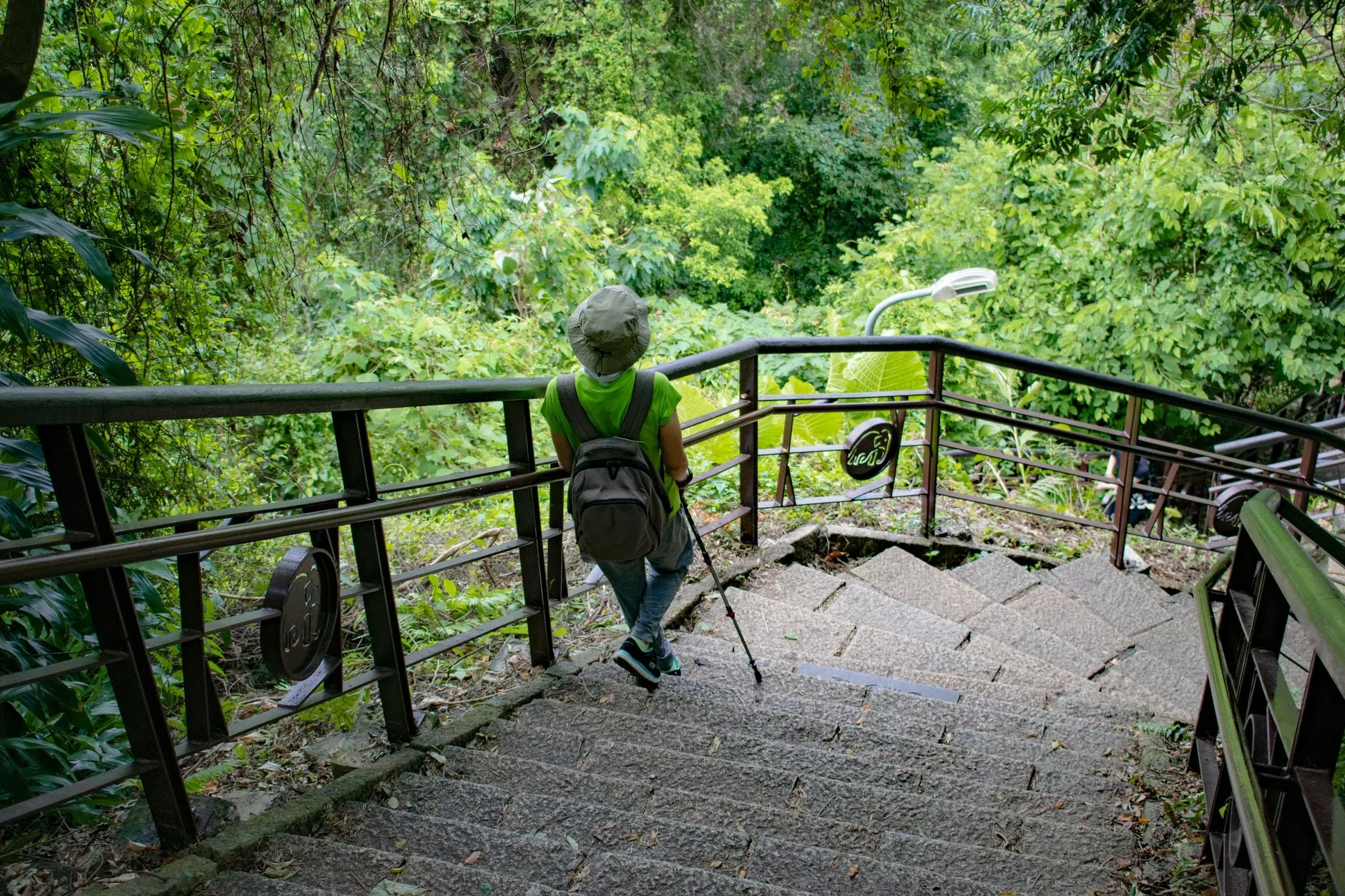
Flat fitness only gets you so far. Hills and descents are where long walks expose weak calves, glutes and knees. If your target walk has ascent, your training needs ascent too, even if that means car-park stairs, a local railway bridge or repeats of the only hill in town.
Hill sessions that work
One hill session a week is enough for most walkers. Keep it simple:
- Short hill repeats: walk uphill for 2-4 minutes, recover walking down, repeat 4-8 times.
- Steady hilly loop: choose a 60-90 minute route with rolling climbs and descents.
- Step practice: use stairs carefully if you live somewhere flat; descents matter as much as climbs.
Poles can help on long descents and muddy paths, but train with them first. A budget pair from Sports Direct or Decathlon can be around £15-£30, while stronger options such as Leki or Black Diamond poles at Go Outdoors are often £79-£110. If you only walk gentle towpaths, spend the money on shoes and socks first.
Add pack weight gradually
Do not put 12kg in a rucksack on week one to “make training count”. That is how shoulders and knees get irritated. Start with the pack you expect to carry, then build slowly.
For a day walk, many people carry 3-6kg once water, waterproofs, food, first aid and spare layers are included. For lightweight camping, 8-12kg is common; more than that needs careful conditioning and a well-fitted pack. Read the site’s rucksack packing guide and rucksack fitting guide if your shoulders ache before your legs do.
Strength work for walkers
Two short strength sessions a week beat one heroic gym session you never repeat. You can do enough at home with bodyweight and a £7.99-£12 Decathlon resistance band.
Useful exercises:
- Step-ups: train climbing and single-leg control.
- Split squats: build strength for uneven ground and descents.
- Calf raises: help with climbs and reduce lower-leg fatigue.
- Glute bridges: useful if your lower back takes over on hills.
- Side planks: train trunk stability for carrying a pack.
Keep the reps smooth. If your knees cave in, reduce the height or range. Training should make the walking easier, not give you a new injury to manage.
Kit, Footwear and UK Costs to Budget For
Fitness and kit overlap because small equipment problems become physical problems over distance. You can be fit enough for the walk and still have a grim day if your boots rub, your pack bounces or your socks trap moisture.
Footwear comes first
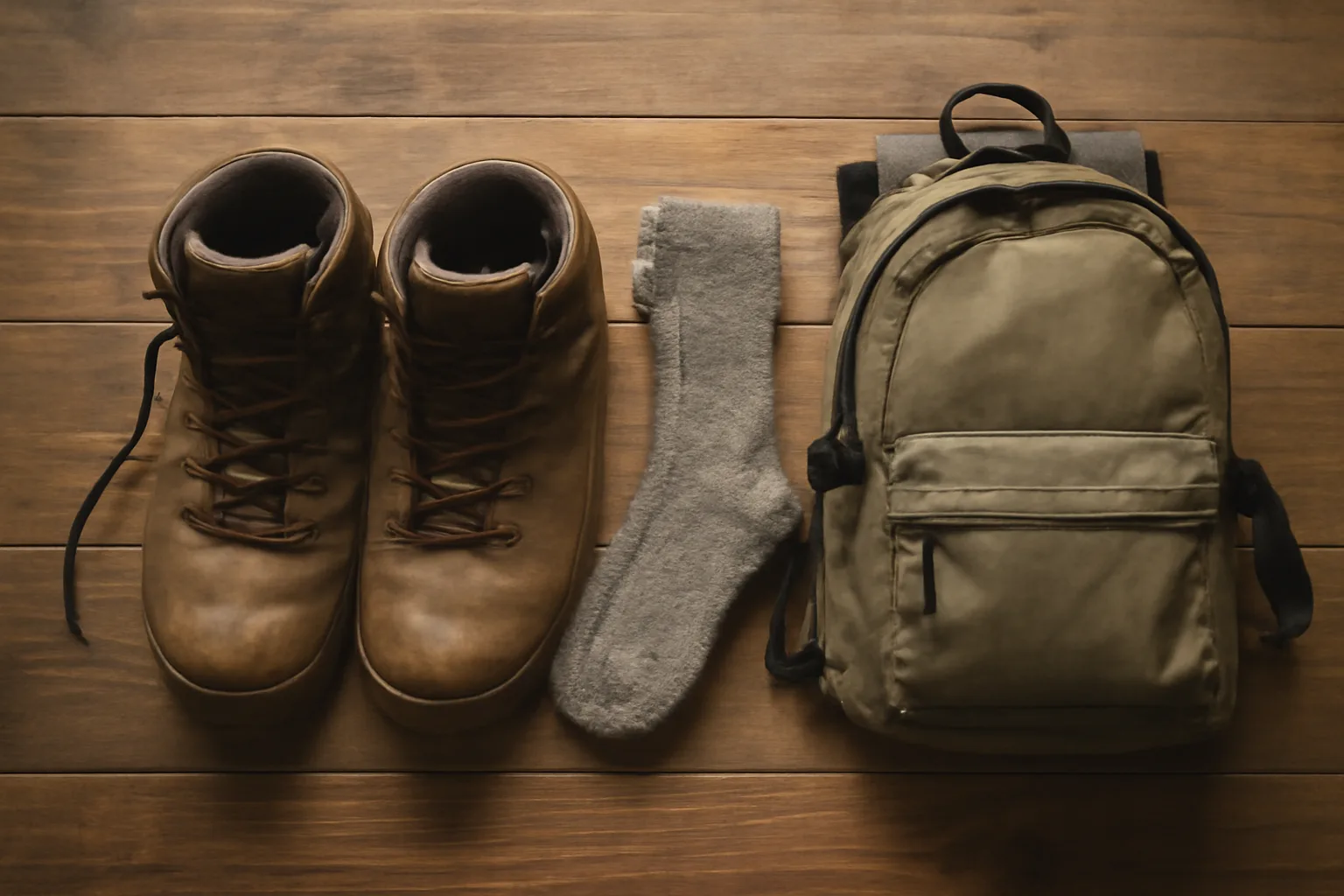
Use training walks to test footwear. Do not save new boots for the big day. Budget walking shoes from Decathlon can be around £40-£70, while sturdier waterproof boots from brands like Merrell, Salomon, Scarpa or Meindl often sit around £100-£190 at Go Outdoors, Cotswold Outdoor or Ellis Brigham.
You do not always need heavy boots. For dry lowland paths, trail shoes or lightweight walking shoes may be kinder over long distances. For boggy moorland, rocky descents or winter hill routes, a supportive boot can be worth the weight. The site’s walking boots guide is the better place to compare models.
Socks and blister prevention
Good socks are cheap compared with ruined feet. Expect £10-£25 a pair for proper walking socks from Bridgedale, Darn Tough, Smartwool or Sealskinz. Test thickness with your shoes because a thicker sock can make a previously comfortable boot too tight.
Carry blister plasters, tape or a small foot-care kit. More importantly, stop early when you feel heat or rubbing. The site’s blister prevention guide covers the details, but the short version is: deal with hot spots before they become blisters.
Packs, water and layers
For training walks, use the same pack you plan to take. A simple 18-25 litre daypack can cost £9-£40 from Go Outdoors or Decathlon; an Osprey Hikelite or similar ventilated pack is often £80-£100. You do not need the expensive one for every walk, but a stable hip belt and comfortable straps matter once you add distance.
Carry water on training walks, even near home. A 1-litre bottle is fine for short sessions; longer or warmer walks may need 1.5-2 litres. Practise eating too: bananas, flapjacks, oat bars, sandwiches and salted crisps are more realistic than pretending you will survive on vibes and one emergency gel.
For layers, check the site’s UK layering system guide. You want training to reveal whether your waterproof overheats, your base layer rubs under pack straps or your spare fleece is dead weight.
A Four-Week and Eight-Week Training Plan
The right plan depends on your start point. If you already walk 8-10km comfortably, four weeks can sharpen you up for a moderate long walk. If you are starting from desk-bound weekdays and occasional strolls, use eight weeks.
Four-week plan for a moderate long walk
Use this for a 15-20km day walk where you already have some base fitness.
- Week one: two 45-minute easy walks, one 60-minute brisk walk, one 8-10km weekend walk.
- Week two: two 45-minute walks, one hill or stair session, one 10-12km walk with your day pack.
- Week three: one easy walk, one 75-minute hilly walk, one 12-16km walk in your event footwear.
- Week four: two short easy walks, one light hill session, then rest or gentle movement for two days before the event.
Add one short strength session in weeks one to three. Skip hard leg strength in the final few days.
Eight-week plan for a bigger objective
Use this for a 20-30km walk, a hilly challenge route or your first back-to-back walking weekend.
- Weeks one and two: three weekly walks, long walk building from 6km to 10km, no heavy pack yet.
- Weeks three and four: add a hill session, long walk 12-14km, start carrying 3-4kg.
- Weeks five and six: long walk 16-20km, one hilly session, one easy recovery walk, pack close to event weight.
- Week seven: practise your biggest simulation: similar shoes, pack, food, terrain and weather plan.
- Week eight: reduce volume, keep two easy walks, sort kit and arrive rested rather than fried.
If your event is multi-day, replace one big week-seven walk with two moderate back-to-back days. A 12km Saturday plus 10km Sunday teaches you more about recovery than one isolated 22km day.
Recovery, Warning Signs and Final Checks
Recovery is part of training, especially if you are older, new to walking or adding hills quickly. Tired legs are normal. Sharp pain, worsening tendon soreness, limping or foot numbness are not badges of honour.
What to watch
Back off if you notice:
- Pain that changes your gait: limping creates new problems elsewhere.
- Achilles or shin pain that worsens during a walk: reduce hills and pack weight.
- Knee pain on descents: shorten stride, use poles if appropriate and add strength work gradually.
- Blisters in the same place every walk: change socks, lacing, insoles or footwear before the event.
The week before a long walk is for confidence, not fitness. You will not gain much by cramming. You can lose a lot by turning up with sore calves and angry feet.
Final week checklist
Use the final week to remove friction:
- Route: download maps offline and check escape points.
- Weather: check forecast and adjust layers, water and timing.
- Feet: trim nails, pack blister kit and wear tested socks.
- Food: take food you have already used on training walks.
- Pack: keep it close to training weight; do not add last-minute extras for reassurance.
If you arrive slightly undertrained but rested, fed and wearing tested kit, you still have a good chance of enjoying the day. If you arrive overtrained, sleep-deprived and in new boots, the hills will notice. That is why hiking fitness training walks should finish with a taper, not a panic march.
Frequently Asked Questions
How long does it take to train for a long walk? Four weeks can work if you already walk regularly. If you are starting from low fitness, allow eight to twelve weeks so your feet, tendons and knees adapt gradually.
How far should my longest training walk be? For a one-day walk, aim for roughly 70-85% of the target distance in training. For multi-day walks, practise back-to-back days rather than one huge walk.
Should I train with a weighted backpack? Yes, but build gradually. Start with your normal day-walk kit, then add weight only when the distance feels comfortable. Sudden heavy pack training is hard on knees, hips and shoulders.
Is running good training for hiking? Running helps general fitness, but it does not fully replace time on feet, hills, descents and pack practice. Keep running if you enjoy it, but still do walking-specific sessions.
What gym exercises help with hiking? Step-ups, split squats, calf raises, glute bridges and side planks are useful. Two short sessions a week with bodyweight or a £7.99-£12 resistance band is enough for many walkers.
What should I buy before training for long walks? Start with comfortable footwear, proper walking socks, a small daypack and blister care. Budget roughly £40-£100 for basic shoes or boots, £10-£25 for socks and £9-£40 for a simple daypack.