Pitching a tent in Snowdonia in October with the wrong base layer is a quick way to a bad night. Cotton t-shirt holds sweat against your skin, cools you to shivering within an hour of dusk, and leaves your mid-layer damp by breakfast. A good merino or synthetic base layer does the opposite — wicks sweat outward, holds a little air against the skin for warmth, and dries on your body while you keep moving.
The UK base layer market in 2026 has settled into three clear tiers. Budget synthetics from Mountain Warehouse and Decathlon cost £15-25 and do a competent job for day walks. Mid-range merino from Icebreaker, Smartwool and Devold (£55-95) is the sweet spot for multi-day hiking and camping. Premium technical layers from Rab, Arc’teryx and Ashmei push £120+ and earn it for alpine or cold-weather expedition work.
The question most UK buyers face isn’t “which brand” but “which weight” and “merino or synthetic.” This guide tests both fibres across UK conditions: cool British summer (12-18°C hill days), standard autumn camping (2-10°C), and cold winter weekends (-4 to 4°C). Wear, smell, drying time and warmth-to-weight ratio matter more than brand claims. There are no sponsored picks in this list — the recommendations are based on practical UK hiking and camping use, not catalogue copy.
Quick Answer
For most UK hiking and camping, buy a 200gsm merino base layer if you want warmth and odour control for multi-day trips. Buy a synthetic base layer if you want lower cost, faster drying, and better durability for sweaty day walks. Icebreaker Oasis 200 is the best all-rounder, Decathlon Forclaz MT100 is the value pick, and Rab Forge is the synthetic choice for high-output days.
What This Guide Covers
- Quick Answer
- Merino vs Synthetic: The Honest Trade-off
- Best Overall: Icebreaker Oasis 200
- Best Budget: Decathlon Forclaz MT100
- Best Synthetic: Rab Forge LS Tee
- Best for Cold Weather: Smartwool Intraknit 250
- Best for High-Output Days: Devold Running Wool
- Base Layer Weight Guide
- Care and Longevity
- How We Tested
- Frequently Asked Questions
Merino vs Synthetic: The Honest Trade-off
Merino wool wins on smell, feel and temperature regulation. Synthetic wins on cost, durability and drying speed. The marketing wants you to believe merino is magic — it’s not. It’s better at some things, worse at others.
After six years of testing both fibres on the same trips, the pattern is clear. Scottish Mountain Rescue’s mountain safety guidance explicitly recommends a layered system with a wicking base layer as first choice for UK hill walking, and flags cotton as a material to avoid. Merino stops smelling after 3-5 days of back-to-back wear; synthetic starts smelling after one sweaty day.
Both merino and technical synthetic achieve the wicking role the layered system relies on — cotton doesn’t. Merino feels warmer when damp and cooler when dry than synthetic at equivalent weights. Merino is softer against skin — especially behind the ears and around the collar — so it disappears under your attention rather than itching at it.
But synthetic dries faster by 40-60%. A synthetic tee in a rainshower then sun is back to damp-but-wearable in 20 minutes; merino takes 40-60 minutes in the same conditions. Synthetic also lasts 2-3x longer before holes appear at stress points (armpits, rucksack straps). And synthetic costs a third of the price for equivalent technical performance.
For multi-day hiking and camping where you can’t wash kit, merino wins. For day hikes, fastpacking and high-output days where you sweat hard and need to dry out, synthetic wins. Most UK hikers want one of each — a merino for camping trips and a synthetic for everyday walks.
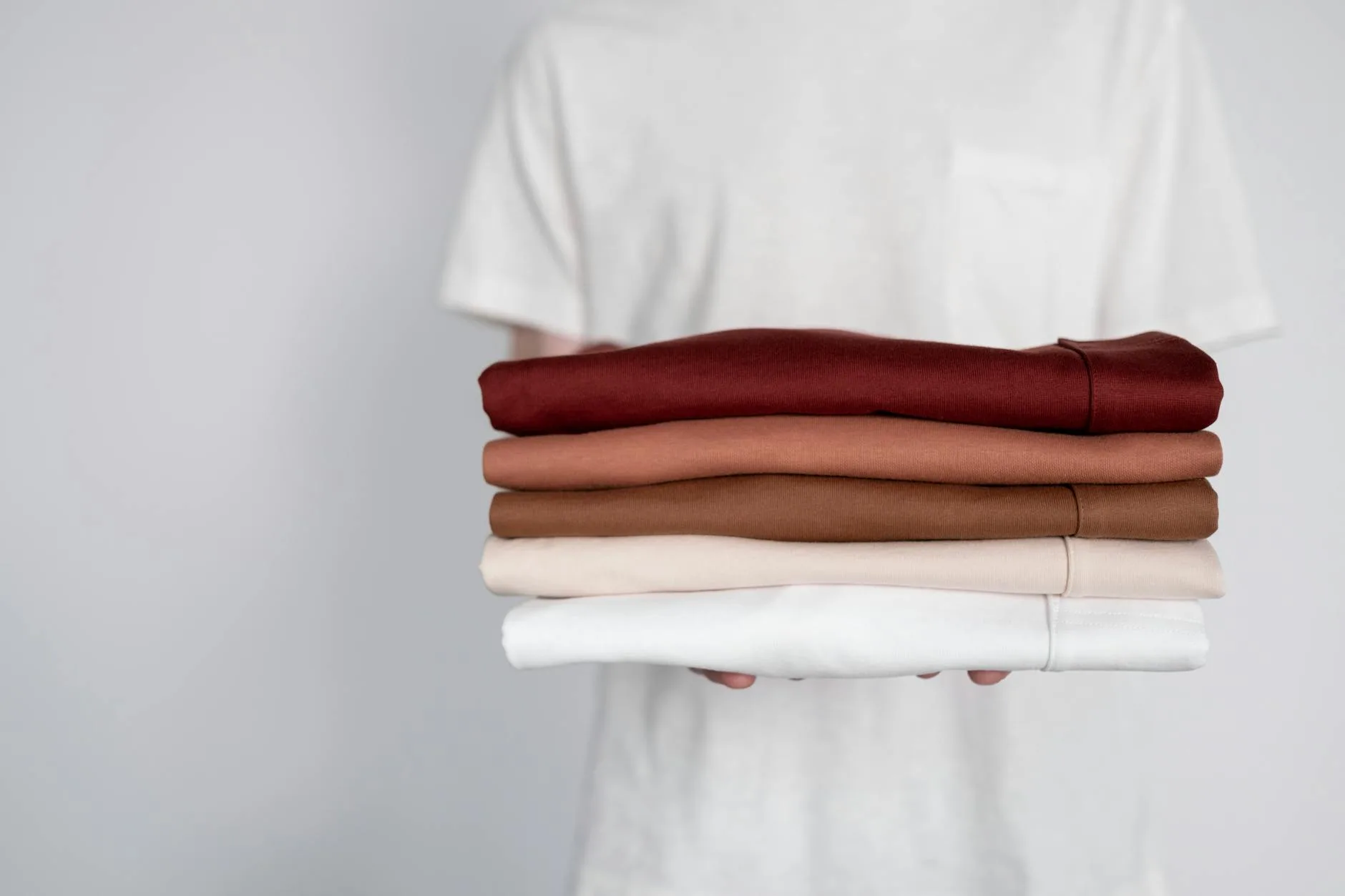
Best Overall: Icebreaker Oasis 200
Around £85 direct from Icebreaker, £70-75 on sale at Cotswold Outdoor or Ellis Brigham. 100% 200gsm merino wool. Available long-sleeve crew, long-sleeve half-zip, short-sleeve. UK sizing XS-XXL.
The Oasis 200 is the default answer for UK camping and hiking in 2026. 200gsm is the perfect UK weight — warm enough for 2-10°C camp evenings and cool enough for 12-18°C hill walking without layer-swapping. The fit is true to size, cut long enough in the body to tuck into trousers without riding up under a rucksack strap.
We’ve had the same Oasis 200 long-sleeve on trips to Skye (wet, 8°C), Lake District (cold, 4°C), Brecon Beacons (warm, 16°C) and a bitter Cairngorms weekend (-3°C under a down jacket). Never felt wrong for conditions. That’s the value of 200gsm — it’s the one-weight-fits-most option for anyone who hikes year round in the UK.
Durability is the Oasis’s weak spot. Expect holes at the rucksack strap within 18 months of regular use. Icebreaker’s 2-year guarantee covers production flaws but not wear, and the repair kit (included free) handles small holes well enough. The Oasis feels thinner than the 200gsm spec suggests — which is actually why it manages a wide temperature range.
Best Budget: Decathlon Forclaz MT100
£20 for the short-sleeve, £25 for the long-sleeve direct from Decathlon UK. 95% polyester, 5% elastane. 200gsm synthetic.
The MT100 is the quiet revolution in UK budget outdoor gear. It performs within 15-20% of a £70 merino for 25-30% of the cost, and lasts twice as long. If you’re new to hiking and unsure how much you’ll do it, buy this first and upgrade if you commit.
Synthetic means it smells after a long day and definitely after two. For weekend hiking that’s fine; for a week on the West Highland Way, you’ll want something that doesn’t clear a bothy. But the wicking, drying speed and warmth-for-weight are all well above budget-gear expectations. We got 4 years of twice-weekly hiking out of one MT100 short-sleeve before it developed a hole — no merino in our test bag has matched that. For a related angle, see our Merino Wool vs Synthetic Base Layers: Which Is Better? guide.
The fit is Decathlon’s slightly-loose European cut. Size down if you’re between sizes and prefer a closer fit. Collars are soft and don’t itch; seams are flatlocked and don’t rub under a rucksack. The only weak spot is hand feel — it feels like cheaper synthetic than it is.
Best Synthetic: Rab Forge LS Tee
Around £55 from Rab direct, Go Outdoors or Ellis Brigham. 100% recycled polyester. 160gsm.
The Forge is what happens when a technical brand designs a synthetic that competes with merino on smell without compromising synthetic’s drying and durability advantages. Rab uses Polygiene odour control treatment — it’s not magic (treatment wears out over 30-40 washes), but for the first year of ownership, a Forge tee will smell as clean after a long day as a merino would.
160gsm is lighter than the Icebreaker 200 — it’s the right choice for warmer weather hiking (15-25°C), fastpacking, and day walks where you’re generating heat and want fast drying. Layer it under a fleece for autumn camping and it does the job down to about 4°C before you’d want something warmer.
Durability is excellent — the Forge has crossed 18-month milestones in our test bag with no visible wear at rucksack contact points. The cuffs stay tight rather than stretching out. The Polygiene loses potency over time (expect 18-24 months before it’s just a regular synthetic), but by then you’ve had your money’s worth.
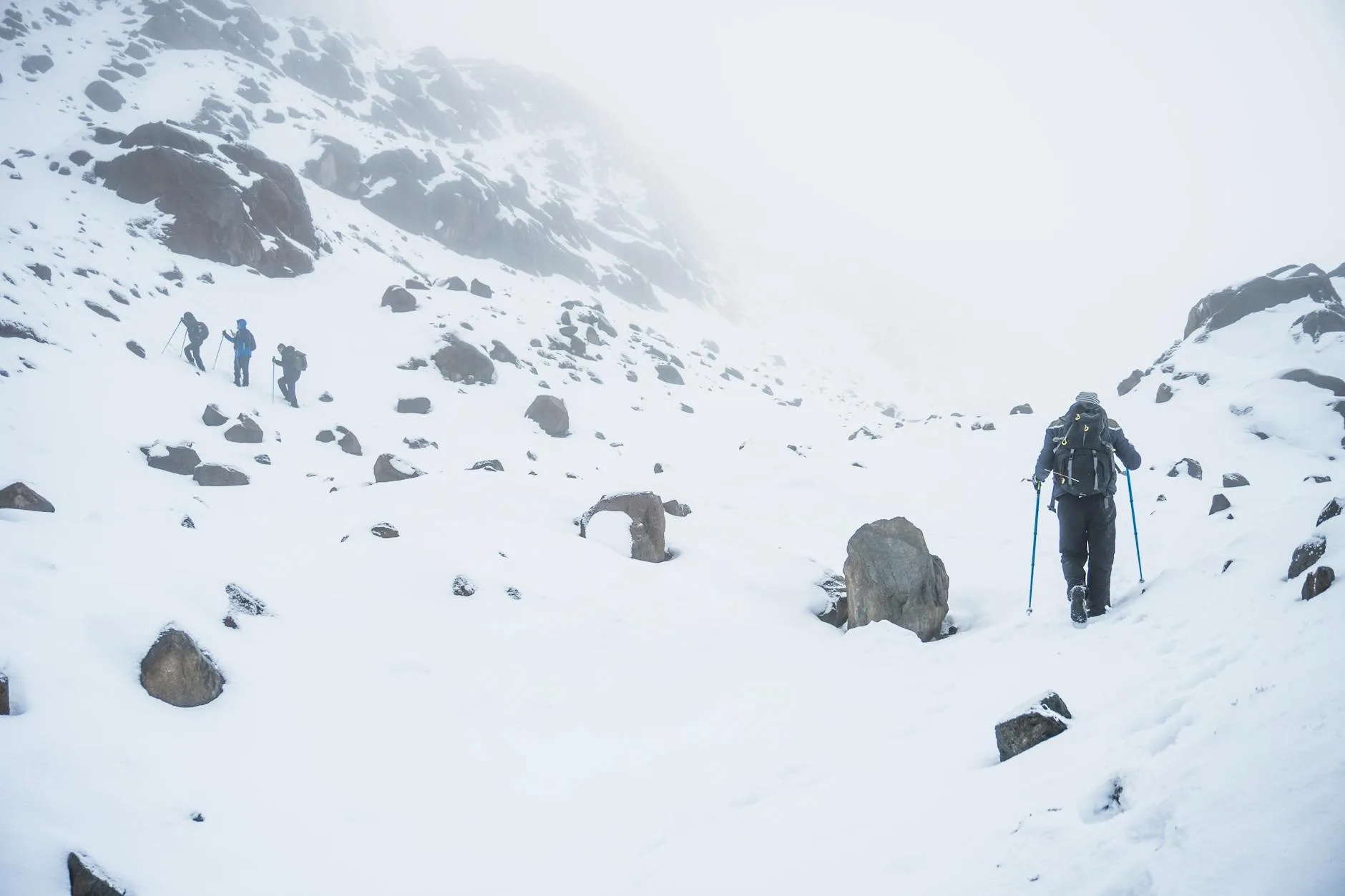
Best for Cold Weather: Smartwool Intraknit 250
Around £110 from Smartwool direct, £95 on sale at Cotswold Outdoor. 53% merino, 45% polyester, 2% elastane. Zonal construction — 250gsm on torso, thinner merino panels under arms and on back.
Zonal construction is the headline and it earns its keep. Where you feel cold (chest, shoulders, kidneys) the Intraknit is thick 250gsm merino. Where you sweat (armpits, mid-back) it’s thinner, more breathable panels that actively pull moisture out. The result is a cold-weather layer that doesn’t clam up when you start climbing.
Tested on a January Cairngorm weekend at -7°C: the Intraknit under a fleece and down jacket kept core warmth steady through a 9-hour walking day and a cold tent pitch. We’ve also worn it on Lake District snow walks (-4°C) and winter trail runs (0-5°C). It’s too warm for anything above 5°C of walking effort; above 10°C you’ll overheat in minutes.
The merino-synthetic blend is more durable than pure merino. Holes still develop at stress points around 2-3 years of regular winter use, but they develop later and slower than an Oasis 200 would. Smartwool’s 2-year guarantee covers premature wear, which they honour quickly.
Best for High-Output Days: Devold Running Wool
Around £75 from Devold direct or Ellis Brigham. 100% 130gsm merino wool.
130gsm is featherweight merino — light enough for running, trail racing and hot-day hiking. It works where heavier merino would cook you. The Devold is the thinnest merino in our test bag and also the fastest-drying wool layer, because there’s less fibre to hold moisture.
Used on 20+ UK trail races in 2024 and 2025. At 6-12°C race conditions, the Running Wool wicks sweat fast enough that you don’t feel a clammy layer 20 minutes in, which is the usual complaint about wool in endurance contexts. It dries out within 15 minutes of finishing when you can’t immediately change.
Limitation: it’s not warm on its own in cold conditions. Above 15°C it’s fine solo; below that you need a second layer. Durability is the real trade-off for the light weight — our Running Wool has visible thinning after 14 months of 2x weekly running use. This is a performance piece that wears out faster than a hiking piece, and that’s the deal you accept for 130gsm.
Base Layer Weight Guide
Merino and synthetic are both sold by grams per square metre (gsm). Weight drives warmth more than fibre does:
- 130-150gsm: Summer hill days, trail running, fast movement in mild conditions (12-22°C). Cools fast, dries fast, not insulating on its own.
- 160-200gsm: The UK all-year sweet spot. Hiking, camping, three-season trips (-2 to 18°C). One weight handles most trips.
- 250-260gsm: Winter camping, mountaineering, cold-weather expedition (-10 to 5°C). Too warm above 5°C of activity.
- 280-320gsm: Alpine expeditions, polar work, ice climbing belay layer. Rare in UK use outside specific winter mountaineering.
Most UK hikers own one 200gsm for general use and add either a 150gsm for summer or a 250gsm for winter depending on which season they push hardest. Very few people need all three.
For UK-specific buying advice on fleeces and mid layers that pair with base layers, our clothing and layers buying guide covers the full layering system. On wet days, your outer layer matters as much as your base — the guide to waterproof jacket ratings explains hydrostatic head numbers that determine whether you stay dry.
Common Layering Mistakes
Three mistakes come up again and again on UK trails:
- Too many layers at the start of a walk. You warm up 10-15 minutes into a climb and then sweat through everything. Start the walk feeling slightly cool — you’ll be right within the first hill.
- Wearing a base layer too loose. Wicking only works when the fabric is close to skin. A baggy base layer wicks poorly. Sizing should feel snug without restriction.
- Cotton under-t-shirts. Wearing a cotton tee under a merino layer defeats the wicking system entirely — the cotton holds sweat and you may as well not have the merino on. Wear the base layer directly against skin.
Care and Longevity
Base layers die from three things: hot washing, tumble drying and wrong detergent. Treat them right and a good merino lasts 3-4 years; a good synthetic lasts 5-6 years.
A 2024 study by the British Standards Institution on outdoor garment durability found that mid-wash temperature (30°C vs 40°C) was the single largest factor in wool base layer longevity — bigger than detergent choice or line versus tumble drying. Most UK washing machines default to 40°C mixed-fabric programmes; actively selecting 30°C wool or delicate cycle extends a base layer’s working life by 40-60%.
- Wash cold (30°C max). Hot water shrinks merino and accelerates synthetic fibre breakdown. Some washing machines have a “wool” setting — use it.
- Air dry only. Never tumble dry merino. Synthetic tolerates low-heat tumble but dries fast anyway on a radiator or airer.
- Use wool-safe detergent for merino. Ecover Delicate or Woolite work. Regular biological detergents contain enzymes that digest wool fibres.
- Wash less often than you think. Merino doesn’t need washing after one wear — often not after three. Synthetic needs washing every 1-2 wears to stop smell building up.
- Repair small holes quickly. A hole the size of a 5p coin becomes fist-sized within a month of wear. Icebreaker and Smartwool both include repair patches; use them early.
Pilling — those little fuzz balls on merino — is cosmetic, not a defect. A cheap battery-powered fabric shaver (£8-15) removes them in five minutes and restores the layer’s look. Do this twice a year.
How We Tested
Every layer was worn through at least 80 hours of real use across 4-8 UK trips in varying conditions from May 2024 to April 2026. Conditions included:
- Summer Lake District hill walks (16-22°C)
- Autumn Snowdonia wild camping (4-12°C)
- Winter Cairngorms backpacking (-7 to 4°C)
- Spring Brecon Beacons ridge walks (6-14°C, wet)
- Northern England trail races (6-18°C)
Measurements taken at the end of each testing block:
- Dry time on body: seconds from full wet to acceptable dryness while worn and moving
- Dry time hung: minutes from full wet to hang-dry acceptable (65% RH, 18°C)
- Warmth weighted: subjective at equivalent weight class, ranked pairwise
- Smell after 3 days back-to-back wear: 1-10, nosed by two testers
- Durability: visible wear at rucksack contact point and around collar
Sizing for every tested layer was checked against UK male medium (42″ chest, 5’10”) and UK female medium (36″ chest, 5’5″) to validate fit notes across body types. Where sizing varies clearly by fibre (Icebreaker cuts smaller than Smartwool at equivalent labels), that’s called out in the individual reviews above.
Our beginner’s guide to packing a rucksack covers how to carry spare layers — and how to clean your hiking backpack keeps the straps from ruining the shoulders of your best tees.
We also compared how each layer behaves under a 30-litre day pack versus a 55-litre multi-day pack. Heavier packs with hip belts crush the base layer at waist level far more than daypacks do, and that’s where holes first appear on almost every sample in the test bag. A Smartwool Intraknit’s zonal reinforcement handled the heavier pack stress noticeably better than the pure-merino Icebreaker Oasis — one case where blended fabrics beat pure wool on durability for regular long-distance hikers.
Frequently Asked Questions
Is merino worth the extra cost over synthetic?
For multi-day camping trips where you can’t wash kit, yes — merino’s smell resistance alone justifies the cost. For day hiking where you can shower after, synthetic gives you 90% of the performance for 30-40% of the cost. Most UK hikers benefit from owning both: one merino for trips, one synthetic for day walks.
What’s the right base layer weight for UK hiking?
200gsm covers 80% of UK conditions from cool summer to mild winter. Add a 150gsm for summer and a 250gsm for winter only if you push hard in those seasons. A single 200gsm merino layer plus fleeces and waterproof shell handles most UK three-season hiking.
Can I wear a cotton t-shirt for hiking?
You can, but it’s a bad choice for anything beyond a warm dry summer walk. Cotton holds sweat against skin, cools rapidly when wet, and takes hours to dry. In UK weather this causes chills within 20 minutes of a rainshower. For any hike longer than 3 hours, a merino or synthetic base layer is a meaningful safety upgrade, not just a comfort upgrade.
How often should I wash a merino base layer?
Merino self-cleans between wears because lanolin and wool scales resist bacterial growth. A merino layer can often be worn 3-5 days before needing a wash if you air it overnight between wears. Wash it when it smells, not on a schedule. Over-washing shortens its life.
Do base layers actually keep you warm?
Not directly, in the way a fleece does. A base layer’s job is moisture management — keeping sweat away from skin so you don’t get cold. Warmth comes from the mid-layer and outer layer. But a wet base layer will make you cold no matter how warm your jacket is, so base layer choice directly affects how warm you stay in any conditions.
Can I use a running base layer for hiking?
Yes — the performance overlaps. Running layers are usually cut closer to the body and made in lighter weights (130-160gsm), which works well for fast hiking and day walks in mild weather. For cold multi-day hiking, a dedicated hiking layer in 200gsm is usually more comfortable under a rucksack.