You’re scrolling through sleeping bags on Amazon and one says “comfort: 5°C, lower limit: 0°C, extreme: -15°C.” Another says “3-season.” A third just says “warm.” None of this means much unless you know what the numbers actually represent — and how they relate to you, personally, lying in a field in Wales in October.
I spent my first camping trip in a £20 sleeping bag rated to “0°C” and woke at 3am shivering so hard I couldn’t get back to sleep. The rating was accurate in a lab. In practice, on cold ground, with nothing but a thin foam pad underneath, it was nowhere near enough. Understanding temperature ratings properly would have saved me a miserable night.
In This Article
- What Temperature Ratings Mean
- The EN 13537 and ISO 23537 Standards
- Comfort vs Lower Limit vs Extreme
- Why Ratings Don’t Tell the Whole Story
- How to Choose the Right Rating for UK Camping
- Season Ratings Explained
- Insulation Types and Warmth
- Factors That Affect How Warm You Sleep
- Sleeping Bag Shapes and Temperature
- When to Add a Liner
- Testing Your Setup Before a Trip
- Frequently Asked Questions
What Temperature Ratings Mean
A sleeping bag temperature rating tells you the lowest temperature at which the bag is designed to keep you warm. But “warm” is subjective, and the testing methods involve standardised thermal mannequins — not actual humans with varying metabolisms, body fat, and cold tolerance.
The Three Numbers
Most quality sleeping bags display three temperature values:
- Comfort rating: The temperature at which a standard woman (lower metabolic rate) will sleep comfortably in a relaxed position
- Lower limit: The temperature at which a standard man (higher metabolic rate) can sleep for 8 hours in a curled position without waking from cold
- Extreme rating: The survival temperature — the point at which a standard woman can survive for 6 hours without hypothermia. This is a survival rating, not a comfort rating. Ignore it for planning purposes
Why There Are Two Comfort Figures
Women generally sleep colder than men due to lower metabolic heat production, less muscle mass, and different fat distribution. The comfort rating accounts for this. If you’re a cold sleeper regardless of gender, use the comfort rating. If you’re a warm sleeper, the lower limit is more relevant.
The EN 13537 and ISO 23537 Standards
These European standards define how sleeping bag temperatures are tested. The EN 13537 standard was introduced in 2002 and replaced by the updated ISO 23537 in 2016. They’re essentially the same testing protocol with minor revisions.
How the Test Works
- A heated thermal mannequin wearing a base layer is placed inside the sleeping bag on a standard sleeping mat
- The mannequin is placed in a climate-controlled chamber
- The temperature is gradually reduced while sensors measure heat loss across the mannequin’s body
- The three temperature ratings are calculated from the heat loss data
Why the Standard Matters
Before EN 13537, manufacturers could claim whatever temperature they liked. A budget sleeping bag might claim “comfort to -10°C” when it was barely adequate at 5°C. The standard created a level playing field where all bags are tested the same way.
BSI oversees the UK application of these standards, ensuring sleeping bags sold in the UK follow consistent testing protocols.
Bags Without Ratings
Some budget bags and ultra-budget bags skip the EN/ISO testing (it costs money) and just print vague claims. If a sleeping bag doesn’t display EN 13537 or ISO 23537 ratings, treat the temperature claims with serious scepticism. Stick to tested bags from reputable brands.
Comfort vs Lower Limit vs Extreme
Which Number Should You Use?
For planning purposes, use the comfort rating as your baseline. This is the temperature at which most people will sleep well. If you run warm and have a fast metabolism, you can push toward the lower limit — but don’t plan your entire trip around it.
Real-World Example
A sleeping bag rated Comfort 2°C / Lower Limit -3°C / Extreme -20°C:
- At 5°C, you’ll be warm and comfortable
- At 2°C, most people will sleep fine
- At -3°C, warm sleepers might manage; cold sleepers will be uncomfortable
- At -20°C, you might survive — but you’ll be miserable and potentially in danger
The “Add 5 Degrees” Rule
A common piece of advice is to add 5°C to the comfort rating for your actual comfort threshold. So a bag rated to 0°C comfort is really comfortable down to about 5°C for most people. This is deliberately conservative, but it means you’ll never be caught cold.
We use this rule for every trip and it’s served us well over about thirty camping trips. Better to be slightly warm (unzip the bag) than freezing at 2am with no solution. For a related angle, see our Best Sleeping Bags 2026 UK: 3-Season & Winter Tested guide.
Why Ratings Don’t Tell the Whole Story
Individual Variation
Two people in identical sleeping bags at the same temperature will feel different. Factors include:
- Metabolism — people with higher basal metabolic rates generate more heat
- Body composition — higher body fat provides more insulation
- Fitness — very lean, fit people often sleep cold because they have less insulating fat
- Age — older adults tend to feel cold more easily
- Fatigue and dehydration — tired, dehydrated bodies produce less heat
- What you ate — a hot meal before bed generates metabolic heat. An empty stomach doesn’t
Sleeping Mat Matters as Much as the Bag
The EN/ISO test uses a standardised mat with an R-value of about 1.0. In reality, your mat makes an enormous difference. A high R-value mat (4.0+) insulates you from cold ground far better than the test mat. A thin foam pad (R-value 0.5) provides almost no ground insulation.
If you’re camping in cold conditions, your sleeping mat is as important as your sleeping bag. Our sleeping pad comparison explains R-values and how to match your pad to the conditions.
Wind, Condensation and Tent Quality
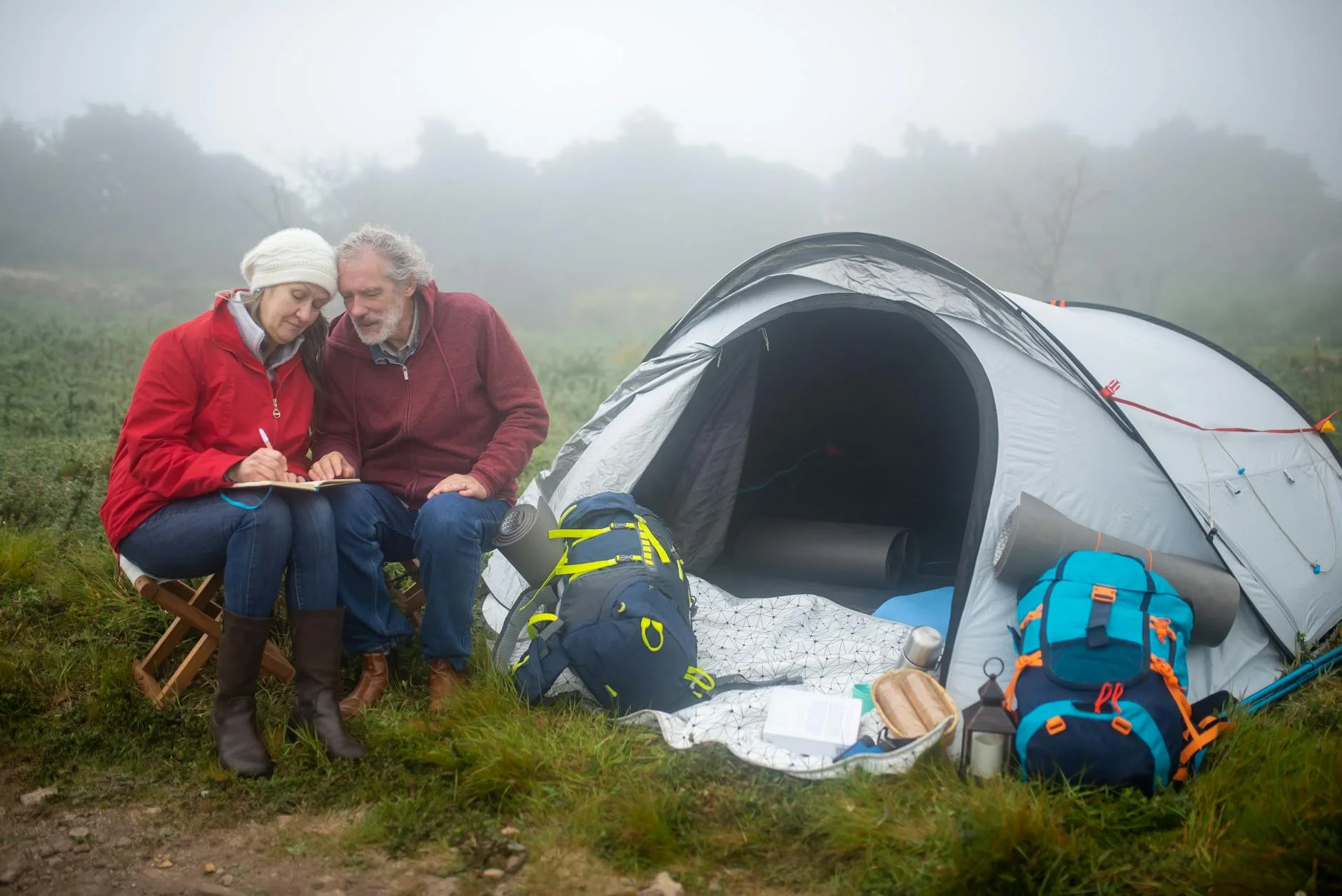
A well-pitched tent in a sheltered spot will be 3-5°C warmer than outside air temperature. A poorly pitched tent with gaps and condensation will be barely warmer than sleeping in the open. Wind chill has no effect inside a sealed sleeping bag, but it does affect tent temperature.
How to Choose the Right Rating for UK Camping
UK Temperature Ranges by Season
- Summer (June-August): Overnight lows 10-15°C in most of England. Scotland and Wales can drop to 5-8°C, especially at altitude
- Spring/Autumn (April-May, September-October): Overnight lows 2-10°C depending on location and altitude
- Winter (November-March): Overnight lows -5°C to 5°C. Sub-zero in the Highlands, Pennines, and upland Wales
Recommended Comfort Ratings for UK Use
- Summer only: Comfort 10°C or higher. A lightweight 1-season bag
- 3-season (spring to autumn): Comfort 0-5°C. This covers 90% of UK camping
- 4-season (year-round including winter): Comfort -5°C to -10°C. Only needed for winter wild camping, mountain camping, or Scottish Highlands in winter
The Sweet Spot
For most UK campers, a 3-season bag with a comfort rating around 2-5°C is the most versatile choice. It handles chilly spring and autumn nights comfortably, works in summer with the zip open, and pairs with a warm liner for mild winter use.
For help selecting a specific bag, our sleeping bag buying guide covers shape, fill, and brand recommendations for UK conditions.
Season Ratings Explained
Some manufacturers use a season system instead of (or alongside) temperature ratings.
1-Season
- Temperature range: 10°C+
- Use: Warm summer nights, festival camping, indoor sleepovers
- Weight: Very lightweight, often 500g-1kg
2-Season
- Temperature range: 5-10°C
- Use: Late spring to early autumn in lowland UK
- Weight: 800g-1.2kg
3-Season
- Temperature range: 0-5°C comfort
- Use: Spring, summer, autumn in the UK. The most popular choice
- Weight: 1-1.8kg
4-Season
- Temperature range: -5°C to -10°C comfort
- Use: Winter camping, mountain expeditions, Scottish Highlands
- Weight: 1.5-2.5kg
5-Season
- Temperature range: Below -10°C comfort
- Use: Extreme cold, alpine mountaineering, Arctic expeditions
- Weight: 2kg+, expedition gear
The Problem with Season Ratings
Season ratings are less precise than temperature numbers. A “3-season” bag from one brand might be rated to 0°C comfort, while another brand’s “3-season” might only manage 5°C. Always check the EN/ISO temperature ratings rather than relying on season labels alone.
Insulation Types and Warmth
Synthetic Fill
- Pros: Retains warmth when wet, dries quickly, cheaper, hypoallergenic
- Cons: Heavier and bulkier than down at the same warmth level, degrades faster (loses loft after 3-5 years of use)
- Best for: UK camping where rain is likely, budget-conscious campers, kayak/canoe camping where getting wet is possible
Down Fill
- Pros: Best warmth-to-weight ratio, compresses smaller, lasts 10+ years if cared for
- Cons: Loses insulation when wet, expensive, requires careful washing, ethical concerns (look for RDS-certified responsible down)
- Best for: Weight-conscious hikers, mountaineers, anyone who wants the lightest and most packable bag
Down Fill Power
Down quality is measured in fill power — the volume in cubic inches that one ounce of down occupies. Higher numbers mean better insulation per gram:
- 550-600 fill power: Budget down. Still warmer than synthetic at the same weight
- 650-700 fill power: Good quality. The sweet spot for most users
- 750-850+ fill power: Premium. Maximum warmth for minimum weight. Expedition-grade bags use 800+ fill power
Hydrophobic Down
Some brands (Rab, Mountain Equipment, Sea to Summit) treat their down with a water-resistant coating. This maintains loft and warmth even if the bag gets damp. It adds cost but solves down’s biggest weakness — a worthwhile upgrade for UK conditions where condensation is common. Our How to Wash a Sleeping Bag guide is useful alongside this.
To stay warm before you even get into the bag, base layers make a real difference — our base layer guide covers merino and synthetic options for sleeping.
Factors That Affect How Warm You Sleep
Your Sleeping Mat’s R-Value
- R-value 1.0-2.0: 3-season use in mild conditions
- R-value 3.0-4.0: 3-season use in cold conditions
- R-value 5.0+: 4-season winter use
The mat insulates from below. No sleeping bag, regardless of rating, will keep you warm on cold ground without adequate mat insulation.
Clothing
Wearing a dry base layer to bed adds meaningful warmth. A merino wool top and bottom, clean dry socks, and a beanie can add 3-5°C of effective insulation. Never sleep in the clothes you wore during the day — they’ll be damp from sweat and will make you colder.
Food and Hydration
Eating a hot, calorie-dense meal before bed gives your body fuel to generate heat overnight. A flask of hot tea or water in the sleeping bag acts as a temporary hot water bottle.
Tent and Site Selection
- Pitch out of the wind
- Avoid frost hollows (low ground where cold air pools)
- Close all vents except minimal ventilation (prevents condensation without losing too much heat)
- A smaller tent warms faster from body heat than a large family tent
Sleeping Bag Shapes and Temperature
Mummy Shape
Tapered from shoulders to feet, with a hood. The tightest fit traps the most heat and has the least dead air space to warm. The warmest design.
- Best for: Cold weather camping, backpacking, mountaineering
Rectangular
Flat cut with no taper. Roomy and comfortable but thermally inefficient — lots of air space to heat.
- Best for: Summer camping, car camping where weight doesn’t matter, people who feel claustrophobic in mummy bags
Semi-Rectangular (Barrel)
A compromise — wider than a mummy but more efficient than a rectangle. Room to move without excessive dead space.
- Best for: The best all-round shape for UK 3-season camping
When to Add a Liner
A sleeping bag liner extends the temperature range of your bag by 2-8°C depending on the material:
- Silk liner (+2-3°C): Lightweight, comfortable, easy to wash. About £25-40
- Cotton liner (+2-3°C): Heavier but comfortable. About £15-25
- Thermal fleece liner (+5-8°C): The warmest option but bulky. About £20-35
- Merino wool liner (+3-5°C): Temperature-regulating, odour-resistant. About £40-60
A liner also keeps your sleeping bag clean — washing a liner is far easier than washing a down sleeping bag. If you use your bag regularly, a liner extends the time between washes.
Testing Your Setup Before a Trip
The Garden Test
Before any cold-weather trip, sleep in your full setup in the garden. Same sleeping bag, same mat, same clothing. If you’re comfortable, you’re ready. If you’re cold, add layers or upgrade before you’re miles from the car.
The Ventilation Test
On a warm night, test how well your setup works when you need to dump heat. Can you unzip the bag easily? Does the shape allow you to stick a leg out? Overheating is as disruptive to sleep as being cold.
Keep a Temperature Log
After each trip, note the overnight low temperature, what you slept in, and how you felt. After a few trips you’ll know exactly what your personal comfort threshold is — and it might be different from the manufacturer’s rating.
Frequently Asked Questions
What temperature rating sleeping bag do I need for UK summer camping? A comfort rating of 5-10°C is fine for most UK summer camping. Overnight lows in southern England rarely drop below 10°C in July and August. If you’re camping in Scotland or at altitude, go for 5°C comfort to be safe.
Are sleeping bag temperature ratings accurate? EN 13537 and ISO 23537 tested bags are tested consistently using thermal mannequins. The ratings are accurate as a comparative standard between bags, but individual comfort varies. As a rule, use the comfort rating (not lower limit) for planning, and consider adding 5°C for a safety margin.
Can a sleeping bag be too warm? Yes. Overheating causes sweating, which dampens your clothing and bag lining, making you colder later. A bag that’s slightly too warm is better than too cold (you can unzip it), but a heavily over-specified bag in summer will be uncomfortable and sweaty.
Does wearing more clothes inside a sleeping bag make it warmer? Yes, but only dry clothes. A dry merino base layer adds 3-5°C of warmth. Wearing damp clothes from the day actually makes you colder because moisture conducts heat away from your body. Change into dry sleeping clothes before getting into your bag.
Is down or synthetic warmer? At the same weight, down is warmer. A 700-fill-power down bag rated to 0°C will weigh less and compress smaller than a synthetic bag with the same rating. However, synthetic bags retain warmth when wet, which matters in the UK where condensation and rain are common.