Picture this: you’re out for a brisk walk in the countryside, enjoying the fresh air and stunning views, when suddenly the skies open up and you find yourself caught in an unexpected downpour. Your trusty waterproof jacket has seen you through countless adventures, but lately it seems to be letting in a bit more moisture than it used to. Don’t fret! With a little care and attention, you can restore its protective qualities and get it ready for your next outdoor escapade.
In This Article
- Why Waterproof Jackets Stop Working
- When to Wash and Reproof: The Signs
- What You Need: Products and Tools
- Step 1: Washing Your Waterproof Jacket
- Step 2: Reproofing — Restoring the DWR
- Wash-In vs Spray-On Reproofing: Which to Use
- Drying and Heat Activation
- How Often to Reproof
- Common Mistakes That Damage Waterproof Jackets
- Frequently Asked Questions
Why Waterproof Jackets Stop Working
Your jacket cost £200 and the tag said “waterproof.” Now, six months later, the shoulders are soaking through on a drizzly dog walk and the whole thing feels heavy and damp. It is not broken — it is dirty. And dirty is the most common reason waterproof jackets fail.
Every waterproof jacket has two layers of protection. The membrane (Gore-Tex, eVent, or equivalent) is the permanent waterproof barrier sandwiched inside the fabric. This rarely fails. The DWR (Durable Water Repellent) is the external coating that makes water bead and roll off the surface. This does fail — through dirt, body oils, detergent residue, abrasion, and UV exposure.
When the DWR stops working, water no longer beads. Instead it soaks into the outer fabric layer (called “wetting out”). The membrane underneath still blocks water from reaching you, but the saturated outer layer kills breathability, makes the jacket feel cold and clammy, and adds weight. The jacket is technically still waterproof but functionally miserable to wear.
I have had this happen to every jacket I have owned. The fix takes 30 minutes and costs about £12 — and the jacket performs like new afterwards.
DWR vs Membrane: Understanding the Difference
- Membrane — the permanent waterproof layer. Lasts the lifetime of the jacket (typically 5-10 years). Cannot be restored at home if it fails
- DWR — the sacrificial outer coating. Degrades with use. Can be restored repeatedly through reproofing. This is what you are fixing
When to Wash and Reproof: The Signs
The Water Test
Hold the jacket under a running tap for 10 seconds. If water beads cleanly and rolls off, the DWR is fine. If water soaks into the fabric and darkens it, the DWR has failed and needs restoring.
Other Signs
- Jacket feels heavier than it used to after time in the rain — the outer fabric is absorbing water
- Condensation inside even in cool conditions — the saturated outer layer blocks breathability
- Visible dirt or discolouration on the shoulders, cuffs, and hood brim
- The jacket smells — body oils and bacteria trapped in the fabric
- Water no longer beads on any surface of the jacket
The Rule of Thumb
Wash every 5-6 wears (or monthly if worn daily). Reproof every 3-6 months of regular use, or whenever the water test fails. Most people under-wash and under-reproof their jackets — they think washing damages them. The opposite is true: dirt is what damages waterproof performance.
What You Need: Products and Tools
For Washing
- Tech wash detergent — Nikwax Tech Wash (about £8-10 for 300ml) or Grangers Performance Wash (about £7-9). These are specifically formulated for waterproof fabrics — they clean without leaving residue that blocks the DWR
- Access to a washing machine — front-loaders preferred (gentler action), but top-loaders work at low spin speeds
For Reproofing
- Wash-in proofer — Nikwax TX.Direct Wash-In (about £10-12 for 300ml). Goes in the washing machine after cleaning. Coats the entire jacket evenly
- Spray-on proofer — Nikwax TX.Direct Spray-On or Grangers Performance Repel Spray (about £8-12). Applied by hand to specific areas. Better for targeted reproofing
Where to Buy
All available from Go Outdoors, Cotswold Outdoor, Amazon UK, and most outdoor shops. Nikwax is the most widely stocked brand in the UK — you will find it in most Halfords and Decathlon stores too.
Step 1: Washing Your Waterproof Jacket
Preparation
- Close all zips and Velcro — open Velcro scratches the face fabric and snags other items. Zip everything shut
- Empty all pockets — remove everything including forgotten tissues (they disintegrate and coat the membrane)
- Loosen drawcords — prevents them tangling
The Wash Cycle
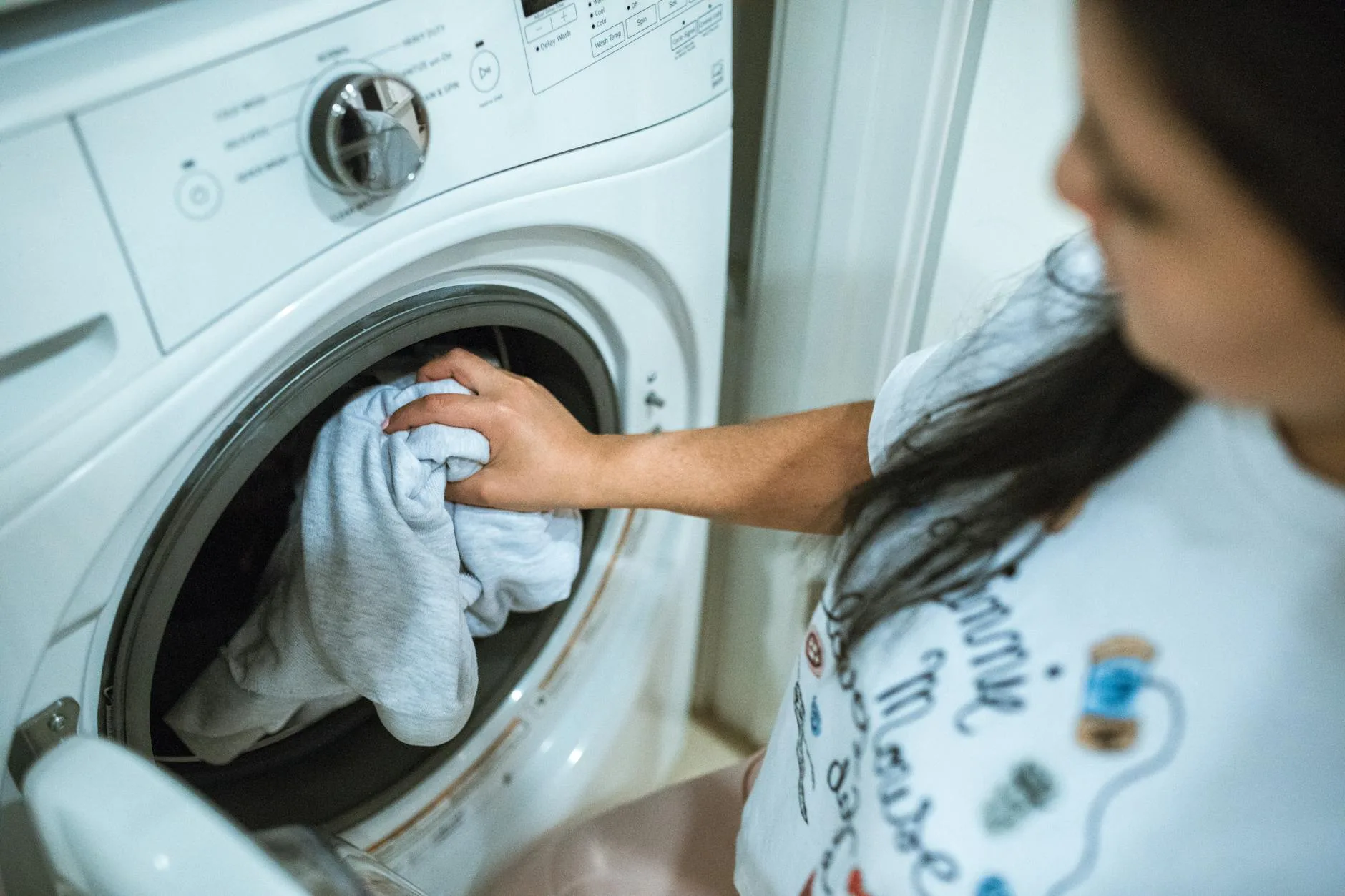
- Put the jacket in the washing machine alone (or with one other waterproof item maximum — they need space to move)
- Add tech wash according to bottle instructions (typically 100ml for one jacket)
- Do NOT add fabric softener — ever. Fabric softener coats fibres and completely blocks both DWR and membrane breathability. This is the single most damaging thing you can do to a waterproof jacket
- Set to 30°C, gentle/delicate cycle, with an extra rinse cycle if your machine offers it
- Run the cycle
After Washing
Run one additional rinse cycle with no detergent. This ensures all tech wash residue is removed. Tech wash is designed to rinse clean, but the extra rinse guarantees it.
Your jacket is now clean. If the DWR test passes (water still beads after washing), you do not need to reproof — just dry it. If water still soaks in after washing, move to Step 2. For a related angle, see our Best Waterproof Jackets 2026 UK: Hiking & Camping guide.
Step 2: Reproofing — Restoring the DWR
Wash-In Method (Easiest)
- Leave the jacket in the machine after the wash cycle (or put it back in damp)
- Add wash-in proofer (Nikwax TX.Direct, about 100ml for one jacket)
- Run a 30°C gentle cycle — no spin or low spin
- Remove and dry (see Drying section)
Spray-On Method (More Targeted)
- Hang the damp jacket on a hanger or lay flat
- Spray the proofer evenly across all outer surfaces — hold about 15cm away
- Pay extra attention to high-wear areas: shoulders, hood, elbows, cuffs
- Wipe off any excess with a damp cloth
- Allow to dry (see Drying section)
Which to Use?
Wash-in is easier and more even. Spray-on gives you more control and avoids coating the interior (which can slightly reduce breathability). See the comparison section below for the full breakdown.
Wash-In vs Spray-On Reproofing: Which to Use
Wash-In Proofer
- Pros: even coverage, no missed spots, easy (just pour and run), coats all layers including zips and flaps
- Cons: coats the inside as well as outside (can slightly reduce breathability), uses the washing machine again (extra time)
- Best for: whole-jacket reproofing, first-time reproofing, badly depleted DWR across the entire jacket
Spray-On Proofer
- Pros: targets specific areas, does not coat the inside, quicker overall, can be done without a washing machine
- Cons: easy to miss spots, requires more effort to get even coverage, uses more product for full-jacket application
- Best for: touching up high-wear areas (shoulders, elbows) between full reproofs, hardshell jackets where breathability is critical
My Approach
I use wash-in once or twice a year for a full reproof, and spray-on between times for touch-ups on the shoulders and hood — those areas wear first because of pack straps and rain impact. Our jacket ratings guide explains more about how DWR interacts with waterproof ratings over time.
Drying and Heat Activation
Why Heat Matters
DWR needs heat to activate properly. The chemicals bond to the fabric fibres when heated. Without heat activation, the reproofer sits on the surface rather than bonding, and washes off quickly. Our Best Waterproof Rucksacks 2026 UK guide is useful alongside this.
Methods
- Tumble dryer (best) — 20-30 minutes on low heat. The gentle, even heat activates DWR across the entire jacket uniformly. Check your jacket label allows tumble drying (most modern waterproofs do at low heat)
- Hairdryer (alternative) — hold about 10cm from the fabric and work across the surface. Time-consuming but works for jackets that cannot be tumble dried
- Iron on low (careful) — use a clean tea towel between the iron and jacket. Very effective but risky if you overheat — can melt bonded seam tape. Only for experienced users
- Air dry then re-wash — if you cannot heat-activate, the DWR will still work but may not last as long between applications
After Drying
Do the water test again. Pour water on the shoulders. If it beads and rolls off cleanly, the reproof worked. If it still soaks in, repeat the reproofing step — sometimes one application is not quite enough, especially on older jackets.
How Often to Reproof
General Guide
- Frequent use (2-3 times per week): reproof every 2-3 months
- Regular use (weekly): reproof every 4-6 months
- Occasional use (monthly): reproof once a year, or when the water test fails
Factors That Speed Up DWR Degradation
- Pack straps — constant rubbing on the shoulders wears DWR fastest
- Washing — each wash removes a small amount of DWR, which is why you reproof after washing
- UV exposure — sun degrades DWR chemicals. Store jackets out of direct sunlight
- Body oils at the neck and cuffs — these break down the coating
- Harsh detergents — using normal laundry detergent instead of tech wash strips DWR aggressively

Common Mistakes That Damage Waterproof Jackets
Using Normal Detergent
Standard laundry detergent (Persil, Bold, etc.) leaves residue that blocks the DWR and clogs the membrane. Always use tech wash. It costs more per wash but one bottle lasts 5-6 washes. We cover a similar decision in How to Wash a Sleeping Bag.
Adding Fabric Softener
The Nikwax care guide calls this out specifically — fabric softener is the fastest way to destroy waterproof performance. It coats every fibre with a hydrophilic (water-attracting) layer that defeats the entire purpose of DWR. If you have accidentally used softener, wash twice with tech wash to try to remove it.
Never Washing the Jacket
“I do not wash it because washing damages it” is the most common misconception. Dirt, oils, and salt from sweat actively degrade DWR and reduce breathability. Regular tech washing extends jacket life and maintains performance. Not washing does the opposite. You may also want to read Pop-Up vs Pole Tents: Which Is Better for UK Camping?.
Dry Cleaning
Dry cleaning solvents can damage waterproof membranes and bonded seam tape. Never dry clean a waterproof jacket unless the care label explicitly says it is safe (almost none do).
Storing Wet or Compressed
Hanging your jacket up damp after a walk is fine (it will dry). Stuffing it into a bag while wet and leaving it for days creates mould and degrades adhesives. Always dry fully before long-term storage.
Washing with Other Clothes
Zips, Velcro, and buckles from other items can scratch the face fabric of your waterproof. Wash waterproof jackets alone or with other waterproofs only.
Frequently Asked Questions
Can I use normal washing powder on a waterproof jacket? No. Standard detergents leave residue that blocks DWR and can clog the membrane, reducing both waterproofing and breathability. Use a specialist tech wash (Nikwax Tech Wash or Grangers Performance Wash) which is designed to clean without leaving residue. It costs about £8-10 and lasts 5-6 washes. For independent guidance, check Met Office outdoor safety advice.
Does washing a waterproof jacket damage it? No — the opposite is true. Dirt, body oils, and sweat actively degrade waterproof performance. Regular washing with tech wash maintains the DWR and extends jacket life. The myth that washing damages waterproofs comes from people using normal detergent (which does damage it). Tech wash is safe for all waterproof membranes.
How do I know if my jacket needs reproofing or replacing? If water soaks into the outer fabric but you stay dry inside, the DWR has failed — reproof it. If water comes through to your skin, the membrane may have failed — this means the jacket needs replacing. Membrane failure is rare before 5+ years of heavy use, but can happen from abrasion damage or delamination. When in doubt, reproof first — if you still get wet through, the membrane is done.
Is Nikwax or Grangers better? Both work well. Nikwax is more widely available in the UK and has a slightly stronger brand presence in outdoor shops. Grangers products are marginally cheaper and equally effective. In head-to-head testing by outdoor magazines, the difference is negligible. Buy whichever is easier to find or cheaper at the time.
Can I reproof a jacket without washing it first? You can, but the reproofer will bond to dirt and oils rather than the fabric, giving a much shorter-lasting result. Always wash with tech wash first, then reproof. The tech wash removes the contamination that blocked the DWR in the first place, allowing the new proofer to bond directly to clean fabric.