Your sleeping bag smells like a cross between a damp dog and a chip shop, and the loft has collapsed to the point where you are basically sleeping under a thin nylon sheet. You have been putting off washing it because the label says “specialist clean” and the idea of stuffing a three-season bag into your kitchen washing machine feels like a gamble you might lose.
Good news: you can wash most sleeping bags at home, and doing it properly extends their life by years. Bad news: doing it wrong — hot water, spin cycle on fast, tumble drying on high, or using normal detergent — can destroy the insulation permanently. This guide covers how to wash a sleeping bag safely, whether it is synthetic or down, and the mistakes that turn a £150 bag into an expensive duvet cover.
In This Article
- Why Sleeping Bags Need Washing
- Synthetic vs Down: Different Rules
- What You Need Before You Start
- How to Machine Wash a Sleeping Bag
- How to Hand Wash a Sleeping Bag
- How to Dry a Sleeping Bag
- Spot Cleaning Between Full Washes
- How Often Should You Wash a Sleeping Bag?
- Common Mistakes That Ruin Sleeping Bags
- Storing Your Sleeping Bag After Washing
- When to Give Up and Replace It
- Frequently Asked Questions
Why Sleeping Bags Need Washing
Body Oils and Sweat
Even if you sleep in base layers, your body produces oils and sweat that seep into the insulation over time. These oils coat the fibres or down clusters, reducing their ability to trap air. It is the trapped air that keeps you warm — flattened, oily insulation means less warmth. A sleeping bag that kept you comfortable at 5°C when new might leave you shivering at 10°C after 50 nights of use without washing.
Smell
This one is self-explanatory. After a week-long wild camping trip in the Scottish Highlands, your sleeping bag has absorbed everything — body odour, campfire smoke, the inside of your tent on a rainy morning. Your future self (and anyone sharing a tent with you) will thank you for washing it.
Extending Lifespan
A well-maintained sleeping bag lasts 10-15 years. A neglected one loses its insulation performance after 3-4 years. The difference is regular washing, proper drying, and correct storage. For a bag that cost £100-250, the maintenance effort is worth it. Our guide to choosing a sleeping bag covers what to look for when the time eventually comes to replace one.
Synthetic vs Down: Different Rules
Synthetic Insulation
Synthetic sleeping bags (using Hollowfibre, PrimaLoft, or similar) are the easier of the two to wash. The fibres are plastic-based and do not clump when wet. They dry faster, tolerate slightly more agitation, and are generally more forgiving of washing mistakes. Most UK camping bags under £100 are synthetic.
Down Insulation
Down sleeping bags need more care. Down clusters are delicate and clump together when wet, losing all their loft. They need gentle washing, a specific down detergent, and thorough drying with tennis balls to restore the loft. The process takes longer but is not difficult — just slower. Premium bags from Rab, Mountain Equipment, and Alpkit are typically down-filled.
Quick Reference
- Synthetic: machine washable on gentle cycle, regular specialist outdoor wash, air dry or low-heat tumble
- Down: machine washable on gentle cycle, down-specific wash only, low-heat tumble dry with tennis balls (essential)
What You Need Before You Start
Detergent — Use the Right One
This is not optional. Standard laundry detergent, fabric softener, and biological washing powder all damage sleeping bag insulation.
- For synthetic bags: Nikwax Tech Wash (about £8-10 for 300ml from Go Outdoors or Amazon UK) or Grangers Performance Wash.
- For down bags: Nikwax Down Wash Direct (about £8-10) or Grangers Down Wash. These are specifically formulated to clean down without stripping its natural oils.
- Never use: regular detergent (leaves residue that coats fibres), fabric softener (coats insulation, reducing loft permanently), biological powder (enzymes attack down protein).
Tennis Balls (For Down Bags)
Put 2-3 clean tennis balls in the tumble dryer with a down bag. They bounce around and break up the clumps of wet down as it dries, restoring the loft. Without them, the down dries in dense, flat lumps that never fully recover. This is not a myth — it is the single most important step in drying a down bag.
A Front-Loading Washing Machine
Top-loaders with an agitator can twist and tear the baffles of a sleeping bag. Front-loaders are gentler because the drum action is rotational rather than vertical. If you only have a top-loader, hand washing is the safer option. Most launderettes have front-loading commercial machines — the larger drum size is actually better for sleeping bags because the bag can move freely. For a related angle, see our How to Wash and Reproof a Waterproof Jacket guide.
How to Machine Wash a Sleeping Bag
Step-by-Step
- Check for damage. Inspect the shell fabric for tears, holes, and broken zips. Repair any damage before washing — a small hole becomes a large one in a washing machine. Duct tape works as a temporary patch.
- Close all zips and undo all Velcro. Zips left open catch and tear the lining. Velcro left fastened collects lint and loose fibres.
- Turn the bag inside out. This exposes the dirtiest surface (the lining that touches your body) to the most cleaning action.
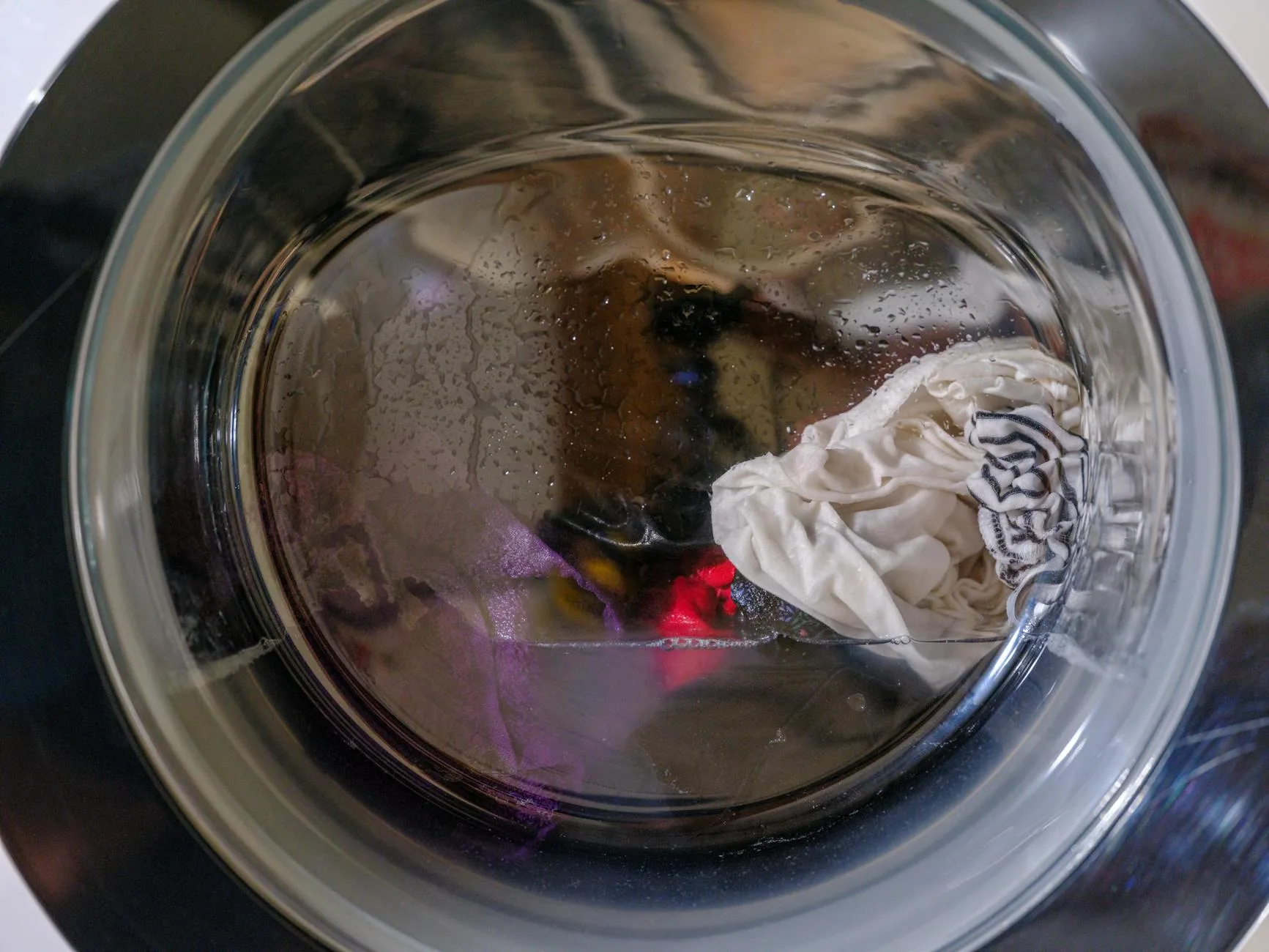
- Place the bag loosely in the drum. Do not cram it in. The bag needs space to move. Use a front-loading machine. If your home machine has a small drum (under 7kg), use a launderette machine instead.
- Add the specialist detergent. Follow the dosage on the bottle. For Nikwax Tech Wash, one capful is typically enough. Do not add anything else — no softener, no bleach, no stain remover.
- Select a gentle/delicate cycle at 30°C. Not warm, not hot. 30°C maximum. Use a slow spin speed (400-600 RPM maximum). High spin speeds compress and damage insulation.
- Run an extra rinse cycle. Detergent residue in the insulation reduces loft. A second rinse ensures all the wash is out.
- Remove carefully. A wet sleeping bag is heavy — a down bag can weigh three times its dry weight when waterlogged. Support the weight from underneath as you lift it out. Never pick it up by one end and let it hang — the weight of the water can tear the internal baffles.
How to Hand Wash a Sleeping Bag
Hand washing is gentler and works well for delicate down bags or when you do not have access to a suitable front-loading machine.
Step-by-Step
- Fill a bathtub with lukewarm water (about 30°C — body temperature is a good guide). Add the specialist detergent and swish it around.
- Submerge the sleeping bag and gently press it down to saturate the insulation. Do not wring, twist, or scrub. Just press and release, press and release, working your way along the bag. The action is more like a massage than a scrub.
- Soak for 30-60 minutes. Let the detergent do the work. You can gently agitate every 10-15 minutes.
- Drain the water and gently press the bag against the bottom of the tub to squeeze out excess water. Do not wring it — wringing damages down clusters and tears synthetic baffles.
- Refill with clean lukewarm water and rinse by pressing and releasing again. Repeat until the water runs clear and there is no soap residue.
- Drain and press out as much water as possible. Then carefully lift the bag out, supporting its full weight. A wet down bag is fragile.
How to Dry a Sleeping Bag
Drying is the most important step, and the one most people get wrong. The Mountain Training Association advises proper care of outdoor equipment to maintain its performance and safety rating.
Tumble Drying (Recommended)
- Low heat only. High heat melts synthetic fibres and damages down. Select the lowest heat setting on your dryer.
- Add 2-3 clean tennis balls (for down bags — helpful for synthetic too). They break up clumps and restore loft as the bag tumbles.
- Allow 2-4 hours. Down bags take longer than synthetic. The bag is not done when the outside feels dry — the inner insulation holds moisture for much longer than you expect. Check every 30-45 minutes by removing the bag and shaking it. If it feels clumpy, it is still wet inside.
- Do not rush. The most common mistake is taking the bag out too early. A down bag that feels 90% dry still has enough moisture inside to develop mildew if stored. Keep going until it is completely, utterly dry.
Air Drying (Slower but Works)
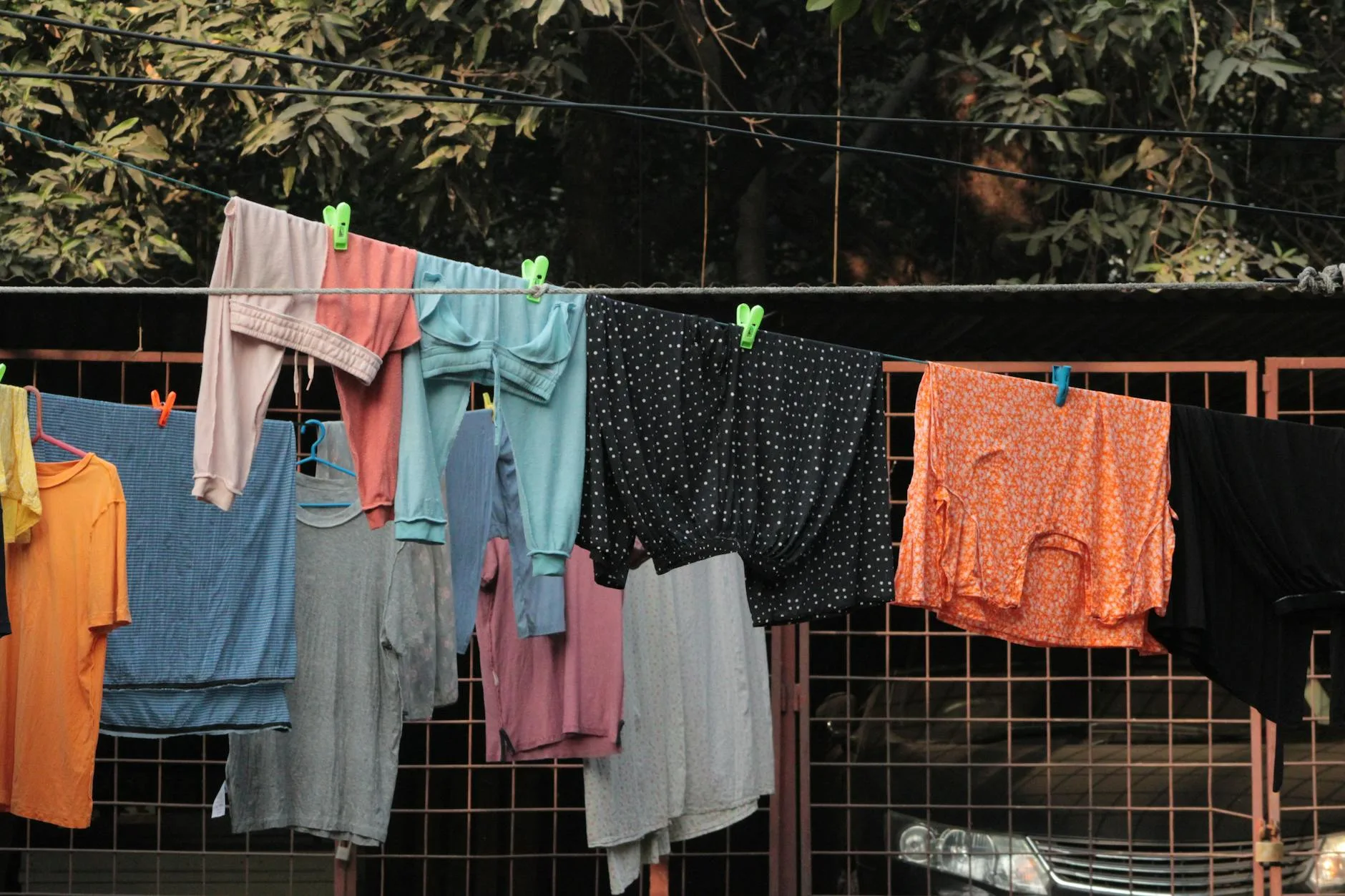
If you do not have a tumble dryer, lay the bag flat on a clean surface in a warm, dry room. A spare bed works well. Turn it every few hours and gently shake and fluff the insulation. Expect 24-48 hours for a synthetic bag and 48-72 hours for down. Do not hang a wet sleeping bag on a line — the weight pulls the insulation downward and can damage the baffles.
The Sunlight Trick
On a dry summer day, drape the bag over a washing line or garden bench for the final few hours of drying. UV light has mild antibacterial properties, and the warmth speeds up evaporation. Do not leave it in direct sun for extended periods — UV degrades nylon shell fabric over time.
Spot Cleaning Between Full Washes
Full washes are necessary but not frequent. Between washes, spot cleaning handles the worst of it.
How to Spot Clean
- Mix a small amount of specialist outdoor detergent with lukewarm water
- Use a clean sponge or cloth to gently clean the soiled area (usually the hood, collar, and foot box)
- Rinse with a damp cloth
- Air dry
Using a Sleeping Bag Liner
A liner is the best investment for reducing how often you need to wash the bag itself. It sits between you and the insulation, absorbing most of the sweat and body oils. Wash the liner after every trip (it goes in a normal wash cycle), and the bag stays cleaner for much longer. Our sleeping bag liners guide covers whether they are worth the money and the best options.
How Often Should You Wash a Sleeping Bag?
The General Rule
- Casual campers (5-10 nights per year): wash once a year, or every 20-30 nights of use
- Regular campers (20-40 nights per year): wash twice a year
- Heavy use (DofE, scouts, mountain expeditions): wash after every 15-20 nights
Trust Your Nose and Eyes
If it smells, wash it. If the loft has noticeably reduced (the bag feels thinner and less puffy when shaken out), wash it — body oils are compressing the insulation. If neither applies, leave it alone. Over-washing causes more wear than under-washing.
Common Mistakes That Ruin Sleeping Bags
Using Normal Detergent
Regular laundry detergent coats insulation fibres with a residue that prevents them from lofting. Fabric softener is even worse — it is designed to coat fibres, which is exactly what you do not want. One wash with standard detergent can halve the loft of a down bag.
Hot Water or High Spin
Water above 40°C damages both synthetic and down insulation. High spin speeds (above 800 RPM) compress the insulation and can tear baffles. Always use 30°C and 400-600 RPM maximum.
Wringing or Twisting
Never wring a wet sleeping bag. The twisting action tears internal baffles and permanently damages down clusters. Press water out gently by squeezing the bag flat against the bottom of the bathtub or letting it drain over a rack.
Taking It Out of the Dryer Too Early
The outside of the bag dries before the inside. If you store a bag that feels dry on the outside but is still damp inside, mildew forms within days. For down bags, when you think it is dry, give it another 30 minutes. Then another 30 minutes after that.
Storing in the Stuff Sack
After washing (or after any use), do not store the bag in its stuff sack. Compression kills loft over time. Store it loosely in a large cotton or mesh storage sack, or hanging in a wardrobe. Every sleeping bag manufacturer recommends this, and most bags come with a separate storage sack for exactly this reason.
Storing Your Sleeping Bag After Washing
The Right Way
Store your clean, completely dry sleeping bag loosely in a large cotton or mesh storage sack. Most bags come with one — it is the bigger, lighter bag that you probably threw away or lost. If you need a replacement, a large pillowcase or cotton laundry bag works fine. Our guide on sleeping bag temperature ratings explains how proper storage maintains the insulation’s performance over time.
Hang Storage
If you have wardrobe space, hanging a sleeping bag on a wide hanger works well. Avoid thin wire hangers that create pressure points. A padded hanger or a trouser hanger with clips at each end keeps the weight distributed.
What to Avoid
- Stuff sacks for long-term storage — compresses the insulation and reduces loft permanently over months
- Damp environments — garages, garden sheds, and lofts with temperature swings cause condensation and mildew
- Plastic bags — trap moisture and prevent airflow, creating a mildew haven
When to Give Up and Replace It
Even with perfect care, sleeping bags have a lifespan.
Signs It Is Time
- Loft does not recover after washing — if you have washed and dried the bag properly and it still feels flat, the insulation has degraded beyond recovery.
- Cold spots — areas where the insulation has shifted permanently, leaving thin patches. Common in baffle-construction down bags after many years.
- Shell fabric is delaminating — the DWR coating has worn off completely and the shell fabric absorbs water rather than repelling it. Reproofing can help temporarily, but if the fabric itself is worn thin, it is done.
- Zip is broken beyond repair — replacement zips for sleeping bags are difficult to source and expensive to fit. If the zip fails, it is often more cost-effective to replace the bag.
Our best sleeping bags 2026 roundup covers the top replacements across budget, 3-season, and winter categories.
Frequently Asked Questions
Can I put a sleeping bag in the washing machine? Yes, as long as you use a front-loading machine on a gentle cycle at 30°C with specialist outdoor detergent (not regular washing powder). Use a slow spin speed (400-600 RPM) and run an extra rinse cycle. Top-loading machines with central agitators can damage the baffles.
How do you wash a down sleeping bag without ruining it? Use a down-specific detergent like Nikwax Down Wash Direct, wash on a gentle 30°C cycle in a front-loading machine, and tumble dry on low heat with 2-3 tennis balls. The tennis balls break up clumps of wet down and restore the loft. Never use fabric softener or regular detergent.
How long does it take to dry a sleeping bag? In a tumble dryer on low heat, synthetic bags take 1-2 hours and down bags take 2-4 hours. Air drying takes 24-48 hours for synthetic and 48-72 hours for down. Down bags must be completely dry before storage to prevent mildew.
Can you dry clean a sleeping bag? Most manufacturers advise against dry cleaning. The solvents used in dry cleaning can strip the natural oils from down and damage synthetic insulation coatings. Check your bag’s care label, but home washing with specialist detergent is the recommended approach for nearly all sleeping bags.
How should I store a sleeping bag between trips? Store it loosely in a large cotton or mesh storage sack, or hanging in a wardrobe. Never store a sleeping bag compressed in its stuff sack for more than a few days — long-term compression permanently reduces the insulation’s ability to loft and keep you warm.