You’re in Go Outdoors, staring at a wall of day packs that all look roughly the same — mesh back panels, stretchy pockets, hydration-compatible sleeves — and the price tags range from £55 to £140 for what appears to be the same 20-litre bag. Three brands keep coming up in every recommendation thread: Osprey, Gregory, and Deuter. All three are proper outdoor brands with decades of heritage. All three make excellent packs. But they’re not the same, and picking the wrong one means an uncomfortable back, wasted features, or money spent on a name rather than a fit.
If you’re comparing an Osprey vs Gregory vs Deuter day pack for hiking, commuting, or weekend walks in the UK, this is the honest breakdown. I’ve used packs from all three brands on everything from Lake District ridge walks to daily train commutes, and each has a distinct personality.
The Short Answer: Which Brand Wins?
Osprey gets the nod for most people. The Daylite Plus (20L, about £70-80) hits a sweet spot of weight, organisation, and comfort that’s hard to beat. Gregory edges ahead on back ventilation and if you run hot, while Deuter offers the best value and durability for the money. But “best” depends entirely on what you’re doing — so keep reading.
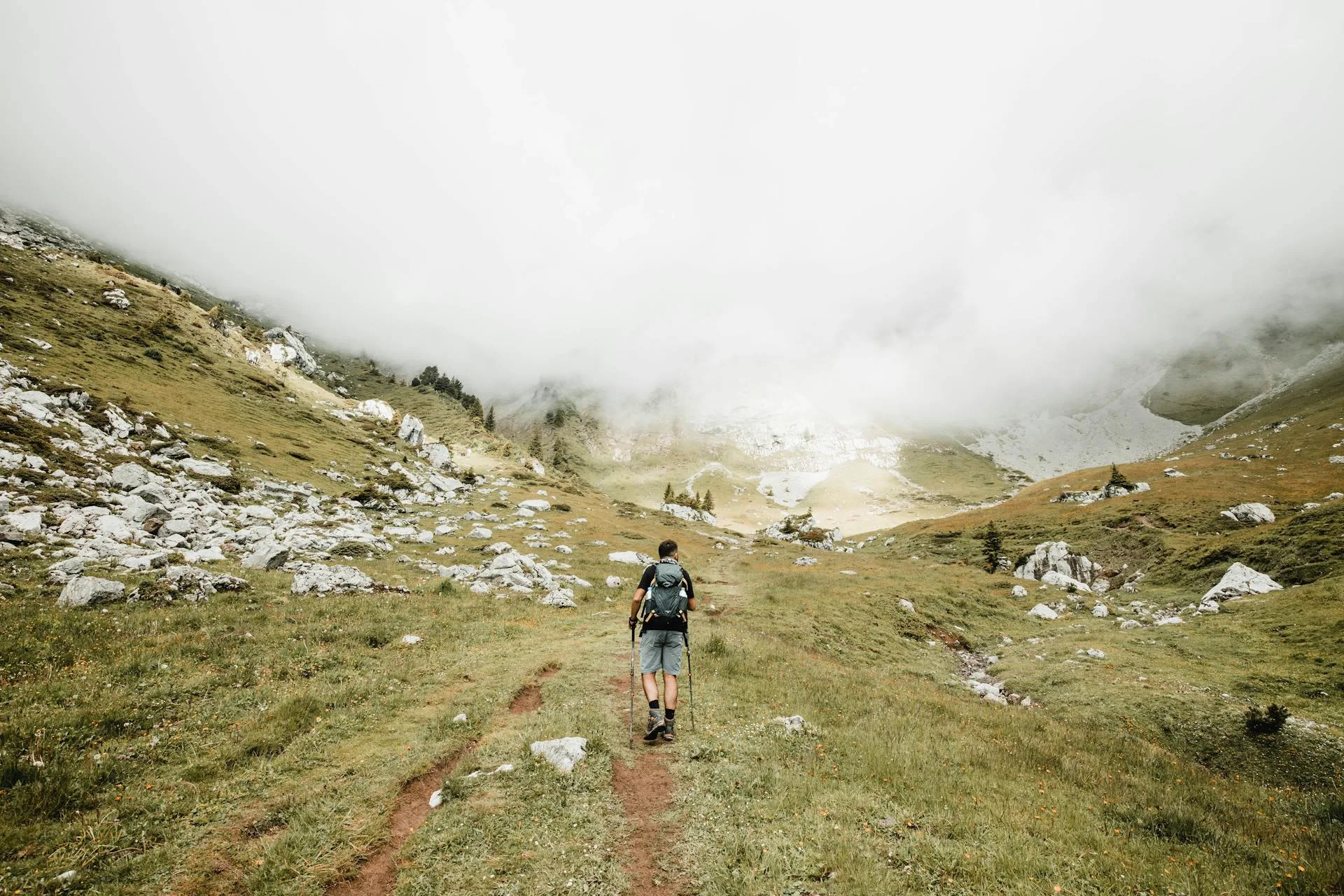
What Makes a Good Day Pack?
Before getting into specific models, it helps to know what actually matters when you’re carrying 5-8kg for a full day on the fells.
- Back ventilation — the single biggest comfort factor on warm days. A pack that traps heat against your back will make even an April walk miserable
- Shoulder strap padding — too thin and they dig in, too thick and they restrict arm movement
- Hip belt — not essential on packs under 25L, but it makes a noticeable difference once you’ve got a packed lunch, waterproof, and a litre of water in there
- Pocket layout — hip belt pockets for snacks and phone, stretch side pockets for bottles, internal organisation for keys and wallet
- Weight — anything under 700g is good for a 20L pack. Over 900g and you’re carrying dead weight
The brands tackle these priorities differently, and that’s where the comparison gets interesting.
Osprey: The Crowd Favourite
Osprey is the brand most people end up with, and for good reason. Founded in California in 1974, they’ve built a reputation on obsessive attention to fit and a lifetime warranty (the “All Mighty Guarantee”) that actually means something — they’ll repair or replace your pack at no cost, no questions asked. In the UK, returns go through their European service centre and turnaround is typically 2-4 weeks.
Key Day Pack Models
Osprey Daylite Plus (20L) — about £70-80 from Cotswold Outdoor, Go Outdoors, or Amazon UK. This is their bestseller and the pack I’d recommend to most people. It weighs 570g, has a padded laptop sleeve (fits up to 15″), stretch mesh side pockets, and a front panel shove-it pocket that’s brilliant for stuffing a waterproof into mid-walk. The AirScape back panel provides decent ventilation without adding bulk.
Osprey Talon 22 — about £110-130. The step-up for serious hill walking. You get a tensioned mesh back panel (much better airflow), a proper hip belt with zippered pockets, trekking pole attachment, and a rain cover. At 690g, it’s still light enough that you don’t notice the pack itself. The Talon is what you see on most people doing Helvellyn or Snowdon on a weekend.
Osprey Hikelite 26 — about £85-100. Sits between the Daylite and Talon. Good ventilation, decent hip belt, but a bit of a jack-of-all-trades without a strong identity.
Osprey Strengths
- Lifetime warranty is genuinely best-in-class
- Widest range of sizes and fits, including women-specific versions (Tempest range)
- Excellent resale value — second-hand Ospreys hold their price well
- Available everywhere in the UK, easy to try on in person
Osprey Weaknesses
- The Daylite Plus back panel gets sweaty on long summer walks
- Premium models (Talon, Stratos) creep into £130+ territory
- The brand name carries a premium — you’re paying partly for the logo
Gregory: The Comfort Specialist
Gregory is the brand that pack nerds recommend. Founded in 1977, also in California, they’ve always been laser-focused on load-carrying comfort. Their day packs feel noticeably different on your back — the harness systems are more adjustable, the back panels curve more naturally to your spine. If you’ve ever tried on a Gregory pack and thought “oh, that’s different,” you’re not imagining it.
Key Day Pack Models
Gregory Nano 20 — about £75-90. Their direct competitor to the Daylite Plus. The FreeFloat suspension is the standout feature here — a mesh back panel that sits away from your back, creating an air channel that Osprey’s AirScape can’t match. It weighs 640g (slightly heavier than the Daylite), and the pocket layout is simpler. No laptop sleeve in the standard version, which rules it out as a commuter pack.
Gregory Citro 24 — about £100-120. This is Gregory’s sweet spot. The FreeFloat 3D back panel is superb — if you overheat easily, this is the pack to buy. You also get a 3D hydration reservoir included (worth about £25 separately), zippered hip belt pockets, and trekking pole loops. At 850g it’s heavier than the Osprey Talon, but the comfort justifies it.
Gregory Miko 25 — about £85-100. More hiking-focused, slightly less ventilation than the Citro but lighter at 730g. Good middle ground.
Gregory Strengths
- Best back ventilation of the three brands, no contest
- Harness system feels more tailored, especially for longer walks
- Included hydration reservoir on mid-range models saves £20-25
- Strong heritage with serious backpackers
Gregory Weaknesses
- Harder to find in UK shops — you’ll likely order online from Cotswold Outdoor or Trekitt
- Fewer colour options and less frequent new releases
- Pocket organisation is simpler than Osprey — no laptop sleeve on most day packs
- No lifetime warranty in the same way — Gregory offers a limited lifetime warranty that covers manufacturing defects but not general wear
Deuter: The Dependable Workhorse
Deuter is the one your mate’s dad has been using since 1998, and it still works perfectly. This German brand (founded in 1898 — not a typo) builds packs like they build cars: overengineered, reliable, and without much fuss about being trendy. They’re often overlooked in favour of Osprey, but their day packs are really excellent and typically £10-20 cheaper for equivalent specs. For a related angle, see our Best Day Packs for UK Walks 2026 guide.
Key Day Pack Models
Deuter Speed Lite 21 — about £65-80. A superb lightweight day pack at just 480g. The Aircomfort Lite back system uses a tensioned mesh panel and it works surprisingly well for the price. Hip belt is minimal but functional, and the roll-top design lets you adjust capacity. This is the pack to buy if weight matters more than features.
Deuter Futura 23 — about £90-110. Deuter’s flagship day hiking pack. The Aircomfort Flexlite back system has been refined over decades and it shows — the ventilation rivals Gregory, with a noticeable air gap between your back and the pack body. At 1,060g it’s the heaviest pack in this comparison, but the frame structure means heavy loads sit beautifully. A proper hip belt with pockets, rain cover included, and bombproof build quality.
Deuter Trail 25 — about £80-95. Splits the difference — lighter than the Futura (780g), good ventilation, decent features. A quiet favourite among regular UK hikers.
Deuter Strengths
- Best value for money — you get more pack for your pounds
- Build quality is exceptional. These packs last 10-15 years with regular use
- Speed Lite is the lightest quality day pack in this comparison
- Futura’s Aircomfort system is world-class ventilation
- Rain cover included on most hiking models
Deuter Weaknesses
- Design language is functional rather than stylish — they look a bit, well, German
- Less widely stocked in UK shops, though Decathlon and Amazon UK carry the main models
- Heavier at the feature-packed end (Futura at over 1kg)
- Warranty is 3-5 years depending on model, nowhere near Osprey’s lifetime promise
Head-to-Head: Osprey vs Gregory vs Deuter
Picking between these three comes down to what you prioritise. Here’s how they stack up across the categories that actually matter.
Comfort and Fit
Gregory wins here. The FreeFloat suspension moulds to your back better than the other two, and the shoulder straps have more adjustment range. Osprey is a close second — the Talon and Stratos ranges are seriously comfortable — but Gregory feels more considered for the torso. Deuter’s Aircomfort is excellent on the Futura, but the Speed Lite’s minimal padding shows on long days. If you’re walking 15+ miles regularly, Gregory’s harness makes a tangible difference.
Ventilation
Gregory and Deuter are nearly tied, with Gregory slightly ahead on their mid-range packs. The Citro 24’s air channel keeps your back noticeably drier than the Osprey Daylite Plus. The Deuter Futura 23 matches Gregory’s airflow but at a weight penalty. Osprey’s tensioned mesh panels (on the Talon) are good but not exceptional — the Daylite Plus and Hikelite are a step behind.
Durability
Deuter leads. Their packs use heavier denier fabrics and more reinforced stitching at stress points. An Osprey Talon will show wear after 4-5 years of hard use; a Deuter Futura from the same era will look like it’s been used for one season. Gregory falls in the middle — well-made but not quite Deuter’s tank-like construction. That said, Osprey’s lifetime warranty offsets their slightly lighter build — if it breaks, they fix it.
Value for Money
Deuter wins comfortably. The Speed Lite 21 at £65-80 is the best lightweight day pack you can buy at this price. The Futura 23 with an included rain cover at £90-110 undercuts similarly specced Osprey and Gregory packs by £20-30. You’re not paying for a trendy brand name — you’re paying for German engineering and a century of pack-making experience. For UK buyers on a budget, Deuter should be the first stop. Our Vango vs Outwell vs Coleman: Family Tent Brands Compared guide is useful alongside this.
Features and Organisation
Osprey wins. They think about how people actually use packs — the Daylite Plus doubles as a commuter bag with its laptop sleeve, the Talon’s hip belt pockets are perfectly sized for a smartphone, and every model has sensible attachment points. Gregory keeps things simpler (which some people prefer), and Deuter is somewhere in between. If you want one pack for hiking and commuting, Osprey’s dual-purpose design thinking is hard to beat.
Warranty and Aftercare
Osprey, by a mile. The All Mighty Guarantee covers everything from manufacturing defects to trail damage, for the lifetime of the product. Gregory’s limited lifetime warranty and Deuter’s 3-5 year warranty are standard for the industry, but Osprey’s is truly exceptional. According to the British Mountaineering Council, Osprey consistently ranks highest in member satisfaction surveys, partly because of this warranty.
Which Pack Should You Actually Buy?
Let me be direct:
- Best overall for most UK hikers: Osprey Daylite Plus (£70-80) for day walks up to 15 miles, or Osprey Talon 22 (£110-130) for serious hill days
- Best if you overheat easily: Gregory Citro 24 (£100-120) — the ventilation is worth the premium
- Best on a budget: Deuter Speed Lite 21 (£65-80) — lighter and cheaper than the competition, no compromises where it matters
- Best for all-day mountain walks: Deuter Futura 23 (£90-110) — the comfort with heavy loads is exceptional, and the included rain cover is a nice touch
- Best for hiking and commuting: Osprey Daylite Plus — the laptop sleeve and clean look make it work both ways
All six of these packs are available from Cotswold Outdoor online and in-store, as well as Amazon UK, Go Outdoors, and Trekitt. I’d always recommend trying them on in person if you can — back shapes vary, and what feels perfect on one person can feel awkward on another.
If you’re heading out on a wild camping trip in the UK, any of these packs will serve you well as a summit bag alongside a larger backpacking rucksack. And if you’re still sorting your clothing and layering system, get that right before obsessing over pack choice — the best pack in the world won’t help if you’re carrying the wrong gear in it.
Frequently Asked Questions
Is Osprey better than Gregory for day hiking? For most people, yes — Osprey’s combination of features, availability, and lifetime warranty makes them the safer choice. But Gregory’s back ventilation is superior, so if you run hot or live somewhere hilly where you’re always working hard, Gregory might suit you better.
Are Deuter backpacks good quality? Exceptional quality. Deuter has been making packs since 1898 and their build quality is arguably the best of the three brands. They don’t have Osprey’s marketing budget, so they fly under the radar, but UK hikers who own Deuter packs tend to stick with the brand for decades.
How much should I spend on a day pack for hiking in the UK? Between £65 and £130 covers every option worth considering. Below £50, you’re compromising on back ventilation and padding. Above £130 for a day pack, you’re paying for features you probably don’t need unless you’re doing technical mountain routes.
Do I need a hip belt on a day pack? For walks under 10 miles with light loads, no. Once you’re carrying over 5kg (water, food, waterproof, extra layers), a hip belt transfers weight to your hips and makes a real difference over distance. If you’re regularly doing full-day walks, choose a pack with at least a basic hip belt.
Can I use a day pack for camping? A day pack won’t replace a proper 50-65L rucksack for overnight trips where you’re carrying a tent and sleeping bag. But a 22-26L day pack is brilliant as a summit bag — leave your big pack at camp and take the day pack for peak bagging. If you’re new to camping, have a look at our guide to how to choose a tent before committing to a setup.
The Bottom Line
The Osprey vs Gregory vs Deuter day pack debate doesn’t have a wrong answer — all three brands make packs that’ll last years and keep you comfortable on the trail. But if I had to pick one for a friend who just asked “which day pack should I buy?”, I’d point them at the Osprey Daylite Plus for casual walks and the Deuter Futura 23 for serious all-day hiking. Osprey nails the everyday versatility, Deuter nails the walking-all-day comfort and value. Gregory is the specialist pick for hot hikers who prioritise ventilation above all else.
Whichever you choose, buy from a UK retailer with a decent returns policy, try it on with some weight in it, and adjust the straps properly. A well-fitted £70 pack will always outperform an ill-fitting £130 one.