You’ve booked a campsite, borrowed a tent from your mate, and now you’re standing in Decathlon wondering why there are seventeen types of base layer and none of them look like normal clothes. The bloke next to you is holding something called a “softshell” and you’re not entirely sure if that’s a jacket or a crab. Welcome to camping clothing layers uk — a topic that sounds simple until you actually try to get dressed for it.
Here’s the thing nobody tells you: the right clothes matter more than the right tent. A decent layering system keeps you warm when it’s 4°C at midnight in the Lake District, dry when the Welsh rain arrives sideways, and comfortable enough that you actually enjoy being outside rather than counting the hours until you can get back in the car. And you don’t need to spend a fortune to get it right.
Why Layering Works (And Why One Big Coat Doesn’t)
If you’ve ever worn a thick puffer jacket on a walk and ended up drenched in your own sweat within twenty minutes, you already understand the problem. One heavy layer can’t adapt. You’re either boiling or freezing, with nothing in between.
The layering system works because it gives you options. Three thin layers trap more warm air than one thick one, and you can add or remove pieces as conditions change — which, this being the UK, happens roughly every forty-five minutes.
The basic principle is three layers, each with a specific job:
- Base layer — sits against your skin, wicks sweat away, keeps you dry
- Mid layer — traps warm air, provides insulation
- Outer layer (shell) — blocks wind and rain, lets moisture escape from underneath
That’s it. Three layers, three jobs. Everything else is detail — important detail, but the concept is dead simple. Get this right and you’ll be comfortable from April weekends in the Brecon Beacons to October half-term in the Peak District.
Base Layers: The Bit Nobody Sees But Everyone Feels
Your base layer is the most underrated piece of camping kit you’ll ever buy. It sits against your skin, and its entire purpose is to move sweat away from your body before it cools you down. Wear cotton and you’ll understand why experienced campers call it “death cloth” — it absorbs moisture, holds onto it, and turns into a cold, clammy second skin the moment you stop moving.
What to Look For
You’ve got two main options here:
- Merino wool — naturally temperature-regulating, doesn’t smell even after several days (seriously), feels soft against the skin, and works when damp. The downside? It’s not cheap. Expect to pay about £40-70 for a decent merino base layer top.
- Synthetic (polyester) — cheaper (about £10-25), dries faster than merino, and more durable for machine washing. The trade-off is that synthetics develop an odour faster. After two days of wearing a synthetic base layer, your tentmates will know.
For beginners, I’d say start with a synthetic base layer from Decathlon — their Forclaz range does a perfectly good long-sleeve top for about £12. If you find you’re camping regularly and want to upgrade, invest in merino. Icebreaker and Smartwool are the go-to brands, available from Go Outdoors and Cotswold Outdoor. A mid-weight Icebreaker 200 Oasis top runs about £65, but you’ll have it for years.
Fit Matters
Base layers should be snug but not tight. You want them close to the skin so they can wick effectively, but you shouldn’t feel like you’re wearing compression gear. If you can pinch about a centimetre of fabric at the side, you’re in the right ballpark.
Get both a long-sleeve top and long-sleeve bottoms (leggings, basically). Even in summer, a lightweight base layer is worth packing for chilly evenings. At 11pm in a tent in Yorkshire, you’ll be glad you brought them.
Mid Layers: Where the Warmth Actually Comes From
Your mid layer is the engine room of the whole system. It traps pockets of warm air close to your body, creating insulation that keeps you comfortable when temperatures drop. This is where you’ll adjust most often — on the walk to the pub, you might strip the mid layer off; sitting around the campfire at 9pm, you’ll want it zipped up to your chin.
Fleece — The Reliable All-Rounder
Fleece has been the default mid layer for decades, and for good reason. It’s warm, breathable, dries quickly, and you can pick one up for practically nothing. A Decathlon MH100 fleece costs about £10 and works brilliantly for three-season camping. Seriously. Ten quid.
If you want something nicer, Berghaus and Craghoppers both make excellent mid-weight fleeces in the £30-50 range, and they’re regularly discounted at Go Outdoors. The Berghaus Prism Micro is a favourite — lightweight, warm, and packs down small enough to stuff in a side pocket.
Synthetic Insulated Jackets
These are the puffy, quilted jackets you see everywhere. They use synthetic fill (usually PrimaLoft or similar) to mimic down insulation, but they keep working when wet — a massive advantage in the UK. The Rab Microlight Alpine and the Mountain Equipment Earthrise are both excellent, though you’re looking at £100-160.
For budget options, the Decathlon Forclaz MT100 is about £30 and punches well above its weight. It’s not as warm as a Rab, but for spring and autumn camping, it’s plenty.
Down Jackets
Down is the warmest insulation for its weight, full stop. A good down jacket compresses to the size of a water bottle and feels like wearing a warm hug. The catch? Down loses almost all its insulation when wet, and drying it takes ages. In the UK, that’s a real problem. For a related angle, see our Backpacks Buying Guide for Beginners guide.
If you go down, look for jackets with hydrophobic down treatment (brands like Rab and Mountain Equipment offer this). But for beginner campers, synthetic insulated jackets are the smarter choice. Save the down for when you know you’ll keep it dry.
Outer Layers: Your Shield Against British Weather
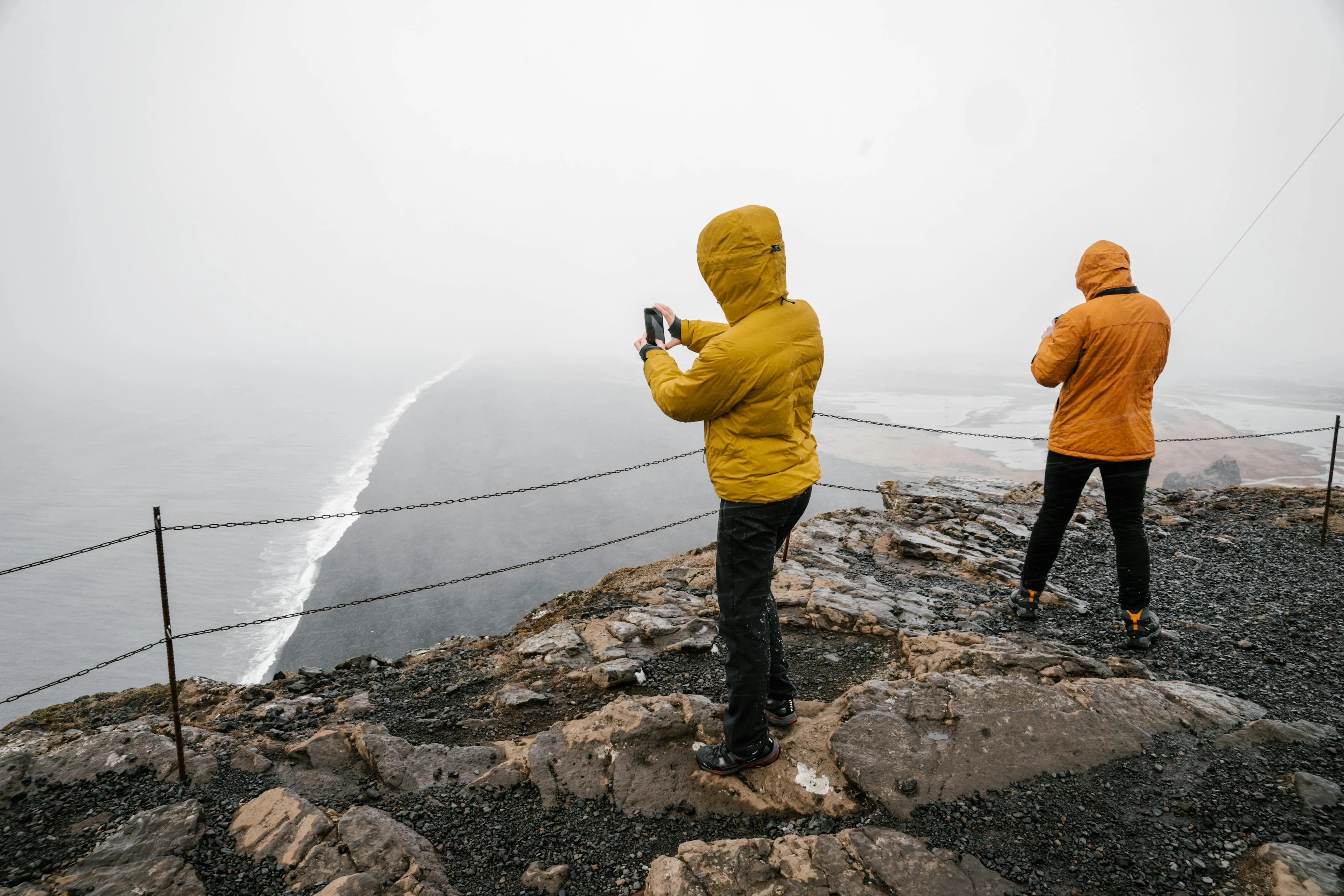
This is the layer that faces the world, and in the UK, the world usually involves rain. Your outer layer — often called a shell — needs to do two things: keep water out and let moisture vapour escape from your mid and base layers underneath. Get this wrong and you end up wet from the inside regardless.
Waterproof Jackets
This is your most important single purchase. A proper waterproof jacket with sealed seams, a good hood, and decent breathability will transform your camping experience. Here’s what the jargon actually means:
- Hydrostatic head — measures waterproofness in millimetres (the British Mountaineering Council recommends checking this rating before buying). Anything over 10,000mm is fine for camping. Over 20,000mm is for sustained heavy rain and mountain conditions.
- Breathability — measured in g/m²/24h (MVTR). Higher is better. Under 10,000 and you’ll feel clammy. Over 15,000 is good.
- Sealed seams — non-negotiable. Taped seams stop water getting through the needle holes. If the seams aren’t sealed, the jacket isn’t waterproof.
For beginners, you don’t need a £300 Gore-Tex Pro jacket. The Berghaus Hillwalker Interactive (about £100-130 from Go Outdoors) is a brilliant entry point — properly waterproof, breathable enough for walking, and built to last. The Craghoppers Orion (about £80) is another solid choice at a lower price.
At the budget end, the Decathlon Quechua MH500 (about £50) is remarkable value. It won’t last five years of hard use like a Berghaus will, but for occasional camping trips, it does the job.
One tip: try the jacket on over your mid layer. If it’s tight over a fleece, it’s too small. You need room for the air gap between layers to do its job.
Waterproof Trousers
These get overlooked constantly, and then people spend their camping trip with wet jeans clinging to their legs. Don’t be that person.
You don’t need anything fancy. A pair of Craghoppers Kiwi overtrousers (about £25-35) or the Decathlon Quechua NH500 (about £15) will keep your legs dry. Look for full-length side zips so you can pull them on over boots without sitting in a puddle to do it.
Extremities: The Bits People Forget
You can have the perfect three-layer system and still be miserable if your head, hands, and feet are cold. Blood flow to your extremities drops when your core temperature dips, so these small items make a disproportionate difference.
Head
You lose a lot of heat through your head (the old “40% of body heat” stat is a myth, but it’s still significant). Pack a merino beanie — about £10-20 — and wear it whenever you feel the chill. For summer camping, a sun hat or cap works instead. And don’t forget a buff or neck gaiter — versatile, weighs nothing, and you’ll use it more than you’d expect.
Hands
Lightweight gloves are worth packing from about September onwards. Even in early autumn, mornings at campsites can be surprisingly nippy. Cheap fleece gloves from Mountain Warehouse (about £5-8) work fine for camping. If you’re hiking in winter conditions, consider a liner glove inside a waterproof overmitt.
Feet
Your tent choice matters here — groundsheet quality affects how cold your feet get at night. But for walking around the campsite and hiking during the day, good socks are essential.
Merino wool hiking socks are one of the best investments in camping. Darn Tough and Bridgedale are the top brands (about £15-20 per pair from Cotswold Outdoor or Amazon UK), and they genuinely transform the comfort of your feet in boots. Pair them with properly fitted walking boots and you’ll avoid the blisters that ruin so many first camping trips.
Pack at least two pairs of hiking socks and a pair of dry camp socks that never leave the tent. Having dry, warm socks to change into at the end of the day is one of life’s small but genuine pleasures.
How to Dress for Different UK Conditions
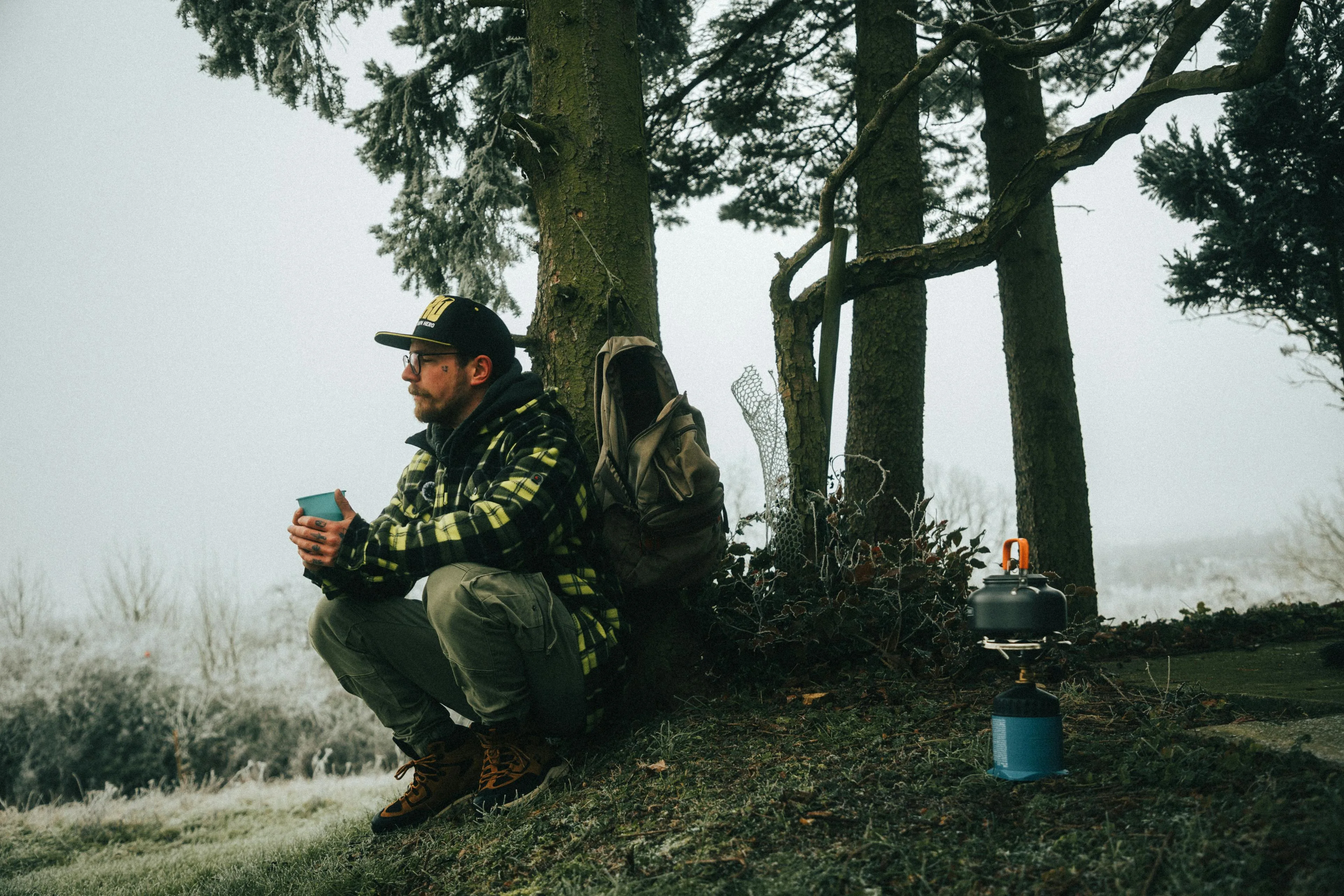
The UK doesn’t really do “one season.” You can experience blazing sunshine and horizontal rain on the same bank holiday weekend. Here’s how to adapt your layering system:
Spring and Autumn (March-May, September-November)
This is peak layering season. Days might hit 15°C but evenings can drop below 5°C, and rain is almost guaranteed at some point. Use all three layers and keep them accessible — you’ll be adding and removing pieces throughout the day.
A good setup: merino or synthetic base layer, mid-weight fleece, and a waterproof shell in the bag. If you’re choosing a campsite with less shelter, factor in wind chill too.
Summer (June-August)
You can often get away with a lightweight base layer and a waterproof stuffed in your pack. Don’t skip the waterproof. British summers are optimistic at best, and a sudden downpour when you’re wearing just a t-shirt is a fast track to hypothermia if you’re up in the hills. Even at lower-level campsites, evenings cool off enough that a light fleece earns its place.
Winter (December-February)
Winter camping in the UK is properly cold and demands proper kit. You’ll want a heavyweight base layer, a mid-weight fleece plus an insulated jacket, and a fully waterproof shell. Double up on extremities — thicker gloves, a warmer hat, and possibly a balaclava for wild camping on exposed ground.
If you’re considering winter camping, spend money on your base and mid layers first. A £60 merino base layer and a £40 fleece will keep you warmer than a £300 outer shell over a cotton t-shirt.
Common Beginner Mistakes (And How to Avoid Them)
Wearing Cotton
This is the big one. Cotton absorbs moisture, takes forever to dry, and saps your body heat when wet. Jeans, cotton t-shirts, cotton hoodies — leave them all at home. The only exception is a cotton t-shirt for driving to and from the campsite with the heater on.
Overdressing From the Start
It’s tempting to pile on every layer before you leave the tent. Don’t. Start slightly cool and let your movement warm you up. If you start warm, you’ll overheat within ten minutes, sweat through your base layer, and then get cold when you stop. Start a walk feeling slightly chilly — you’ll warm up.
Buying the Most Expensive Gear First
You don’t need to walk into Cotswold Outdoor and drop £500 before your first trip. A Decathlon synthetic base layer (£12), a basic fleece (£10), and a budget waterproof (£50) gets you started for under £75. Upgrade the pieces that matter most to you after you’ve actually been camping and discovered what your personal weak points are.
Ignoring the Bottom Half
People spend hours choosing the perfect jacket and then wear jeans and trainers. Your legs get cold and wet too. Walking trousers (Craghoppers Kiwi, about £30-40), waterproof overtrousers, and proper hiking boots aren’t glamorous, but they’re the difference between enjoying yourself and being quietly miserable.
What to Spend Your Money On First
If your budget is limited — and whose isn’t — here’s the priority order for camping clothing layers uk:
- Waterproof jacket — this is the single item that will ruin your trip fastest if it fails. Budget at least £50, ideally £80-130.
- Base layer — even a cheap synthetic one makes a massive difference versus cotton. From £12.
- Walking boots — fitted properly at a shop (Go Outdoors, Cotswold Outdoor, Decathlon all let you try them), worn in before your trip. About £60-100 for something decent.
- Fleece or mid layer — the £10 Decathlon fleece is really good. You can always upgrade later.
- Waterproof trousers — cheap, light, and you’ll be grateful for them. From £15.
- Merino socks — small cost, huge comfort upgrade. About £15 a pair.
Total for a basic but functional layering system: about £120-200. That’s less than a decent camping cooking setup and arguably more important for your comfort.
Looking After Your Camping Clothes
Good outdoor clothing lasts for years if you treat it right. A few quick tips:
- Wash waterproofs with tech wash (Nikwax Tech Wash, about £8 from Amazon UK), not normal detergent. Regular detergent clogs the membrane and kills breathability. Re-proof with Nikwax TX.Direct every few washes.
- Don’t tumble-dry merino wool — lay it flat or hang it. It will shrink otherwise, and a £65 base layer that now fits your ten-year-old is not a good look.
- Store fleece and waterproofs hanging up, not compressed. Long-term compression damages insulation and waterproof membranes.
- Dry everything thoroughly before packing it away after a trip. Stuffing damp clothes into a bag and forgetting about them for a month is a fast track to mildew.
Frequently Asked Questions
What should I wear camping in the UK in summer? A lightweight synthetic or merino base layer, a thin fleece for evenings, and a packable waterproof jacket. Even in summer, UK evenings get cool and rain is always possible. Avoid cotton t-shirts as your only layer.
Is merino wool worth the extra money for camping? Yes, especially for multi-day trips. Merino naturally resists odour, regulates temperature better than synthetics, and stays warm when damp. A merino base layer costs about £40-70 but lasts for years and outperforms cheaper alternatives in comfort.
How much should I spend on a waterproof jacket for camping? Budget at least £50 for a basic waterproof with sealed seams. For regular use, £80-130 gets you a jacket like the Berghaus Hillwalker that will last years. Avoid very cheap unbranded waterproofs as they often lack sealed seams and breathability.
Can I just wear a normal coat for camping? A normal coat lacks breathability and often isn't truly waterproof. Fashion coats trap sweat inside, making you cold and clammy. A proper layering system with a breathable waterproof shell performs far better for outdoor activities, even at lower-level campsites.
How many layers do I need for UK camping? The standard three-layer system works for most UK conditions: a moisture-wicking base layer, an insulating mid layer like a fleece, and a waterproof outer shell. In winter, you might add a fourth layer (insulated jacket) between your fleece and shell.