It’s 11pm, the toddler has kicked off her sleeping bag for the fourth time, the five-year-old needs a wee but is terrified of the dark, and you’re lying on an airbed that deflated an hour ago wondering whose idea this was. Camping with kids is brilliant — honestly one of the best things we’ve done as a family — but only if you lower your expectations, raise your preparation, and accept that the first trip is a learning experience rather than a holiday. The families who love it all say the same thing: the second trip is where it clicks. Here’s how to make that first one survivable enough that there is a second one.
In This Article
- Is Your Family Ready?
- Choosing the Right Campsite
- Essential Kit for Camping with Kids
- Sleeping Arrangements
- Food and Cooking
- Keeping Kids Entertained
- Dealing with Weather
- Safety Essentials
- Your First Trip: A Step-by-Step Plan
- Frequently Asked Questions
Is Your Family Ready?
Age Considerations
There’s no minimum age for camping, but the experience varies enormously. Babies under 12 months are surprisingly easy campers — they sleep, feed, and don’t wander off. Toddlers (1-3) are the hardest age because they’re mobile, curious, and have no sense of danger around campfires, guy ropes, and other people’s pitches. Kids over 4 start to love it — the freedom, the mud, the marshmallows.
The Practice Run
Before committing to a three-night trip in Devon, try a garden camp. Pitch the tent in the back garden, sleep in it overnight, and see how everyone copes. You’ll discover immediately whether the sleeping bags are warm enough, whether the airbed holds air, and whether the kids find it exciting or terrifying. It costs nothing and saves a potentially miserable first trip.
Managing Expectations
Camping with kids is not the same trip you had before kids. You won’t sit by a campfire reading a book at sunset. You won’t sleep past 6am. You will spend time you didn’t anticipate on toilet trips, snack requests, and negotiating the right to exist near another child’s football. Accept this upfront and the reality becomes fun rather than frustrating.
Choosing the Right Campsite
What to Look For
- Clean toilet and shower blocks — the single most important feature for family camping. A toddler who refuses to use a dirty toilet will make everyone’s life difficult.
- Electric hook-up — optional but useful for charging phones, running a nightlight, or powering a small heater in cooler months
- Flat, sheltered pitches — sloping pitches mean rolling off airbeds all night. Trees or hedges provide shelter from wind.
- On-site activities — playgrounds, woodland, streams, and farm animals keep children entertained between meals
- Proximity to facilities — pitch close to the toilet block for nighttime trips with small children. Not so close that you hear the hand dryers at midnight.
Campsite Types
- Commercial family sites (Haven, Park Resorts) — maximum facilities, minimum adventure. Swimming pools, entertainment, shops. Good for very young children or families new to camping.
- Mid-range farm campsites — basic but clean facilities, quieter, more space between pitches. Many allow campfires. This is the sweet spot for most families.
- Wild camping / basic sites — minimal or no facilities. Not ideal for young children unless you’re experienced campers already.
Our guide to choosing a campsite in the UK covers the full decision-making process. For first-timers with kids, prioritise facilities over scenery — a pretty field with a portaloo 400 metres away sounds fine until 2am.
Essential Kit for Camping with Kids
The Non-Negotiables
- Family tent with separate bedrooms — a divider gives parents and children their own space, and kids feel more secure in a smaller enclosed area. The best family tents start around £150-250.
- Sleeping bags rated for UK conditions — for three-season camping, choose bags rated to at least 5°C comfort. Children lose heat faster than adults. A good sleeping bag is the most important comfort item after the tent itself.
- Sleeping mats or airbeds — insulation from the cold ground matters as much as what’s on top. Self-inflating mats (about £25-50 from Decathlon or Go Outdoors) are more reliable than airbeds with pumps.
- Head torches — one per family member, including children old enough to operate one. Kids love having their own torch, and it prevents the “I can’t see” panic during nighttime toilet trips. The best head torches for camping are lightweight and have a red-light mode that doesn’t destroy night vision.
- First aid kit — plasters, antiseptic wipes, insect bite cream, Calpol, and any regular medications. Farmyard camping means scratches, nettle stings, and the occasional splinter.
Nice to Have
- Camping chairs for everyone — including kid-sized ones (about £8-15 from Argos or Mountain Warehouse). A tired child with nowhere to sit is a grumpy child.
- A tarp or gazebo — gives you covered outdoor space when it rains. Essential in the UK, where “partly cloudy” can mean anything.
- Portable nightlight — battery or USB rechargeable. Reduces tent fear for younger children. A warm-coloured LED lantern (about £10-15) works perfectly.
- Wellies — for every family member. UK camping without wellies is a gamble you’ll lose.
Sleeping Arrangements
Keeping Kids Warm
Children lose body heat faster than adults due to their higher surface-area-to-body-mass ratio. After a few trips where we woke to shivering children at 3am, we learned to layer them more than you’d layer yourself:
- Base layer — merino or synthetic long sleeve top and leggings.
- Fleece onesie or pyjamas — the middle insulation layer.
- Sleeping bag rated at least 5°C below the expected overnight temperature.
- A hat — kids lose disproportionate heat through their heads.
Sleeping Bag Tips for Kids
- Don’t over-size — a bag that’s too big has dead air space that the child’s body can’t warm. Buy age-appropriate sizes.
- Draught collar — bags with a drawcord or collar around the shoulders stop warm air escaping when kids roll around.
- Consider a liner — a cotton or silk liner adds 3-5°C of warmth and is easier to wash than the bag itself.
The Nighttime Toilet Issue
This is the number one disruption to sleep on family camping trips. Have a plan:
- Under 3s — night nappies, no question. Even if they’re potty-trained during the day.
- 3-5 year olds — a potty inside the tent porch saves a full trip to the toilet block. A head torch and familiar routine help.
- Over 5s — practise the torch-and-toilet-block route before dark so it’s familiar. Go with them the first couple of nights.
Food and Cooking
Keep It Simple
Camping cooking with kids is not the time for culinary ambition. Stick to meals you know they’ll eat, that require minimal equipment, and that cook quickly. Hangry children plus a temperamental camping stove is a recipe for tears (yours, not theirs). We’ve learned this the hard way on more trips than we’d like to admit.
Meal Ideas That Work
- Breakfast: porridge, toast (if you have a campfire or grill), cereal with UHT milk, croissants, fruit
- Lunch: sandwiches, wraps, crisps, carrot sticks, hummus — nothing that needs cooking
- Dinner: pasta with jarred sauce, sausages on the campfire or stove, one-pot camping meals that cook in a single pan
- Snacks: flapjacks, cereal bars, raisins, breadsticks. Pack more snacks than you think you’ll need — outdoor air makes children hungry constantly.
Campfire Cooking with Kids
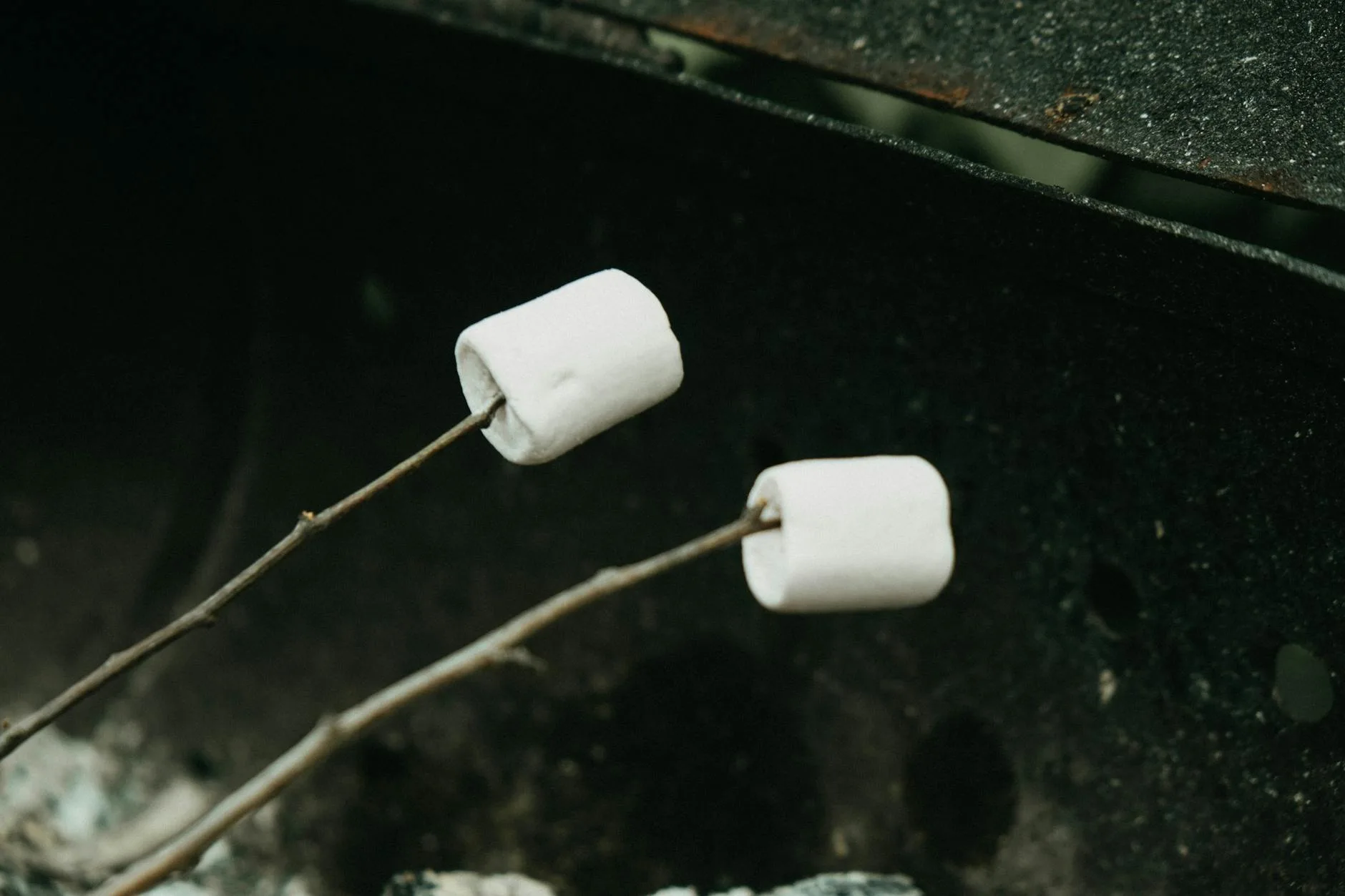
Marshmallows on sticks are the classic, and children love the ritual. Beyond that, foil-wrapped potatoes in the embers, banana boats (banana split open with chocolate stuffed in, wrapped in foil), and sausages on green sticks all work well. Supervision is obviously essential — establish a clear boundary around the fire and enforce it consistently. The Forestry England campfire guidance covers the rules for campfires on their sites.
Keeping Kids Entertained
Nature Does Most of the Work
The number one mistake parents make is packing too much entertainment. Kids in the outdoors invent games from sticks, mud, puddles, and insects. A stream and some pebbles will entertain a five-year-old for an hour. Woodlands provide hide-and-seek on a scale that a house can’t match.
Activities to Bring
- Bug hunting kit — a magnifying glass, a plastic container, and a spotter’s guide. About £5-10 from Waterstones or Amazon UK.
- Ball and frisbee — simple, light, endlessly reusable
- Colouring books and crayons — for rainy tent-bound periods
- Scavenger hunt list — make one before the trip. “Find a feather, a pinecone, something red, a smooth stone.” Free and keeps them exploring.
- Card games — Uno, Dobble, or a standard pack for older kids. Great for inside the tent when weather turns.
The Screen Question
Personally, I’d leave tablets at home — the whole point is getting away from screens. But a downloaded film on a phone for a rainy afternoon when everyone’s patience has run out is a legitimate emergency tool. No judgement.
Dealing with Weather
Rain
It will rain. This is the UK. Plan for it rather than hoping it won’t happen.
- Waterproof layers for everyone — jacket and trousers minimum. Puddle suits for under-5s are brilliant (about £15-25 from Mountain Warehouse or Decathlon).
- A tarp or gazebo over the cooking area — cooking in the rain without cover is miserable. A 3m x 3m tarp with poles (about £30-40) creates a dry communal space.
- Activities for inside the tent — books, cards, colouring. This is when the tent porch earns its space.
- Embrace it — kids in waterproofs jumping in puddles is some of the best fun they’ll have all trip. The adults’ job is to be waterproof and cheerful.
Cold
British summer nights regularly drop to 5-10°C, and spring/autumn camping can hit near-freezing. Layer sleeping bags, add blankets on top, use sleeping mats for ground insulation, and dress children warmly.
Wind
Check the forecast before pitching. Choose a sheltered spot behind a hedge, wall, or treeline. Guy ropes need to be taut — loose guy ropes in wind are a noise nightmare and a tent-collapse risk. Practise pitching at home so you’re fast and confident on site.
Safety Essentials
Campfire Safety
- Establish a clear no-go zone around the fire — physically mark it if needed
- Never leave a fire unattended with children nearby
- Keep a bucket of water next to the fire at all times
- Extinguish completely before bed — douse, stir, douse again
Guy Rope Hazards
Guy ropes are invisible trip hazards in dim light. Use reflective guy lines (most modern tents include these) and teach children to watch for them. A head torch is essential for moving around the pitch after dark.
Water Safety
If the campsite is near a lake, river, or sea, establish clear boundaries with children about where they can and can’t go. Lifejackets for children near open water are non-negotiable, regardless of depth.
Lost Children
On large campsites, agree a meeting point with children old enough to understand. Wristbands with your phone number (about £3 for a set from Amazon UK) give peace of mind for younger children who might wander.
Your First Trip: A Step-by-Step Plan
Two Weeks Before
- Book a family-friendly campsite within 2 hours’ drive. Close enough that you can bail out if it’s a disaster.
- Test all equipment in the garden — pitch the tent, inflate the airbeds, check the stove works.
- Make a packing list. Use it. Forgetting the mallet for tent pegs is a classic first-trip mistake.
Packing Day
- Pack the car with heavy items at the bottom and frequently-needed items (snacks, rain gear, first aid) accessible.
- Bring more warm layers than you think you need. You can always take them off.
- Fill water bottles and prep some food for arrival — you won’t want to cook while simultaneously pitching a tent and managing excited children.
Arrival
- Choose your pitch — flat, sheltered, near (but not too near) toilets.
- Pitch the tent first, before unpacking anything else. Get the shelter up.
- Set up sleeping arrangements next — you don’t want to do this in the dark.
- Let the kids explore while you organise. They’ve been in the car — they need to run.
- Cook something easy for the first meal. Save the ambitious campfire cooking for night two.
Frequently Asked Questions
What age can children start camping? Any age — babies camp successfully. The most challenging age is 1-3 years when children are mobile but lack awareness of hazards. Over 4, most children love camping. Start with a garden test night and a short first trip to a family-friendly site with good facilities.
What’s the most important thing to pack for camping with kids? Warm sleeping gear. Children lose heat faster than adults, and a cold child won’t sleep — which means nobody sleeps. Prioritise sleeping bags rated below the expected overnight temperature, insulating mats, and warm base layers over anything else.
How do I handle nighttime toilet trips? Have a plan before dark. Night nappies for under-3s, a potty in the tent porch for 3-5 year olds, and a practised torch-and-route for older children. Keep a head torch and shoes beside each sleeping bag so nighttime trips are quick and low-stress.
What should we eat when camping with kids? Simple, familiar food. Pasta with jarred sauce, sausages, sandwiches, porridge, and plenty of snacks. This is not the time for adventurous cooking. Pack more food than you think you need — fresh air makes children perpetually hungry.
What if it rains the whole time? Waterproof layers, a tarp over the communal area, and activities for inside the tent (cards, colouring, books). Kids in puddle suits actually love rain — the adults need to stay dry and positive. If it’s truly miserable, you’re 2 hours from home. There’s no shame in packing up early on a first trip.