The first time you try to cook a meal on a camping stove, you discover that “boil water” is the only instruction most stoves come with, and the rest is up to you. The stove that boils water for a dehydrated meal in 3 minutes is not the same stove that lets you simmer a proper dinner for four. Choosing the right one depends on what you’re actually cooking, how far you’re carrying it, and whether you’re camping in a sheltered valley or on a wind-blasted hillside.
The UK market has camping stoves from £15 to £300, and the expensive ones aren’t always better — they’re just designed for different situations. Here’s what to buy, what the fuel types actually mean, and the trade-offs between them.
In This Article
- Fuel Types Explained
- Best Camping Stoves 2026 UK
- Choosing the Right Stove for Your Camping Style
- Wind Performance and Shielding
- Safety and Legal Considerations
- Stove Maintenance and Care
- Frequently Asked Questions
Fuel Types Explained
Canister Gas (Isobutane/Propane Mix)
The most popular fuel for UK camping. Screw-on canisters (the tall, narrow ones) contain a pressurised mix of isobutane and propane that burns cleanly and adjusts easily from simmer to full blast. Available at Decathlon, Go Outdoors, Millets, and most camping shops.
Pros: instant ignition, precise flame control, no priming needed, clean burning, lightweight canisters Cons: performance drops below 0°C (gas pressure falls), canisters aren’t refillable (waste), slightly expensive per hour of burn time
Best for: most UK camping from spring to autumn. The standard choice unless you have a specific reason to choose otherwise.
Alcohol (Methylated Spirits)
Liquid fuel that burns with a gentle blue flame. Trangia stoves are the classic example — a windshielded system with an alcohol burner that’s been a Scandinavian staple for decades. Methylated spirits are available from any hardware shop, supermarket, or camping store.
Pros: silent operation (no hissing), reliable in all temperatures, fuel is cheap and widely available, no moving parts to fail, extremely durable Cons: slower to boil than gas (roughly twice as long), limited flame control on basic burners, invisible flame in daylight (safety concern)
Best for: relaxed camping where speed isn’t critical, winter camping where gas canisters underperform, and anyone who values reliability over convenience.
Multi-Fuel (Petrol, Diesel, Kerosene, Gas)
Expedition stoves that burn multiple liquid fuels. MSR, Primus, and Optimus make the main options. These stoves use a pump-pressurised fuel bottle and can run on whatever fuel is locally available — including vehicle fuel in remote areas.
Pros: burns any fuel, works in extreme cold, very high heat output, refillable fuel bottles Cons: requires priming (pre-heating the fuel line), noisier than gas, heavier, needs regular maintenance, messier to use
Best for: winter mountaineering, international travel where canister gas isn’t available, and expeditions where fuel flexibility matters more than convenience.
Solid Fuel (Hexamine, Wood)
Esbit tablets (hexamine) or small wood-burning stoves that use twigs and sticks. Ultralight and simple — no fuel to carry if you’re using wood.
Pros: lightest option (the stove itself weighs almost nothing), no fuel containers to carry (wood stoves), works anywhere you can find dry sticks Cons: slow, limited heat control, leaves soot on cookware, wood stoves need dry fuel (rare in UK weather), hexamine has a strong chemical smell
Best for: emergency backup, ultralight enthusiasts who accept the trade-offs, and dry-weather wild camping where fallen wood is available.
Best Camping Stoves 2026 UK
MSR PocketRocket 2 — Best Lightweight Gas
About £45–55 from Go Outdoors, Cotswold Outdoor, or Amazon UK. The PocketRocket has been the default recommendation for solo and duo campers for years, and the current version justifies that reputation. It weighs 73g (lighter than a phone), boils a litre of water in about 3.5 minutes, and packs into a space smaller than a tennis ball.
The flame control is good enough for simmering if you’re careful, though the small burner head concentrates heat in the centre of the pot — stir frequently to avoid hot spots. The folding pot supports are stable with mugs and small pots but less confidence-inspiring with wide pans. Pair it with a windshield for exposed sites — our guide to staying warm camping covers site selection.
Why we rate it: The stove most backpackers should buy first. Tiny, light, reliable, and cheap enough that you don’t agonise over the purchase.
Jetboil Flash — Best Integrated System
About £100–120 from outdoor retailers. The Jetboil Flash is a stove and pot in one unit — the burner clips directly to a proprietary insulated mug/pot, creating a sealed system that boils 500ml of water in about 100 seconds. The colour-change indicator on the cosy tells you when the water’s ready. For independent guidance, check Food Standards Agency food safety guidance.
It’s designed for one thing: boiling water fast. For dehydrated meals, instant coffee, and porridge, nothing matches it. For actual cooking (frying, simmering, making a curry), it’s limited by the narrow pot and lack of simmer control. It’s also heavier (371g for the system) and more expensive than a basic stove-plus-pot setup.
Why we rate it: The fastest way to get hot water in the UK hills. If your camping food starts with “add boiling water,” this is the stove.
Trangia 25 — Best for Groups
About £70–90 from outdoor retailers. The Trangia is a complete cooking system: wind shield, two saucepans, a frying pan, a kettle, and an alcohol burner, all nesting together into a compact package. It’s heavier than gas options (about 850g without fuel) but carries everything you need to cook a proper meal for 2–4 people.
The alcohol burner is virtually silent, works in any temperature, and has no parts that can fail. The integrated wind shield is the best of any stove system — the Trangia works in conditions that would extinguish an unshielded gas stove. The trade-off is speed: boiling a litre takes 8–10 minutes versus 3–4 on gas. For the cooking gear beginner, it’s the most complete kit in one purchase.
Why we rate it: The most capable camping cooking system. When you want to actually cook, not just heat water.
MSR WhisperLite International — Best Multi-Fuel
About £130–160 from specialist outdoor retailers. The WhisperLite burns white gas, kerosene, and unleaded petrol — genuine fuel flexibility for serious expeditions. It’s been a mountaineering standard for decades, and the current version is lighter and more reliable than ever.
The pump-pressurised fuel bottle system means consistent performance regardless of temperature, altitude, or fuel level. It’s louder than gas stoves (hence “WhisperLite” being somewhat ironic), heavier (320g plus fuel bottle), and requires priming before each use. For UK camping, it’s overkill — but for winter mountaineering or international travel, the ability to burn whatever fuel is available is invaluable.
Why we rate it: The expedition workhorse. When conditions rule out everything else, this still works.
Esbit Pocket Stove — Best Emergency Backup
About £10–15 from camping shops or Amazon UK. A folding steel platform that holds hexamine fuel tablets. It weighs 85g, costs almost nothing, and can boil 500ml of water in about 8 minutes. The fuel tablets are individually wrapped and last indefinitely in storage.
It’s not a primary stove — it’s the thing you throw in your pack for emergencies and never think about until you need it. When your gas stove fails, your canister runs out, or weather makes your primary unusable, the Esbit keeps working because there’s nothing to go wrong.
Why we rate it: Insurance. The cheapest, lightest backup stove you can carry.
Choosing the Right Stove for Your Camping Style
Weekend Car Camping
Weight doesn’t matter because you’re carrying everything 20 metres from the boot to the pitch. Prioritise cooking capability — a Trangia or a two-burner gas stove gives you the space to cook proper meals. A single-burner gas stove works if you’re happy with simple food.
Backpacking and Wild Camping
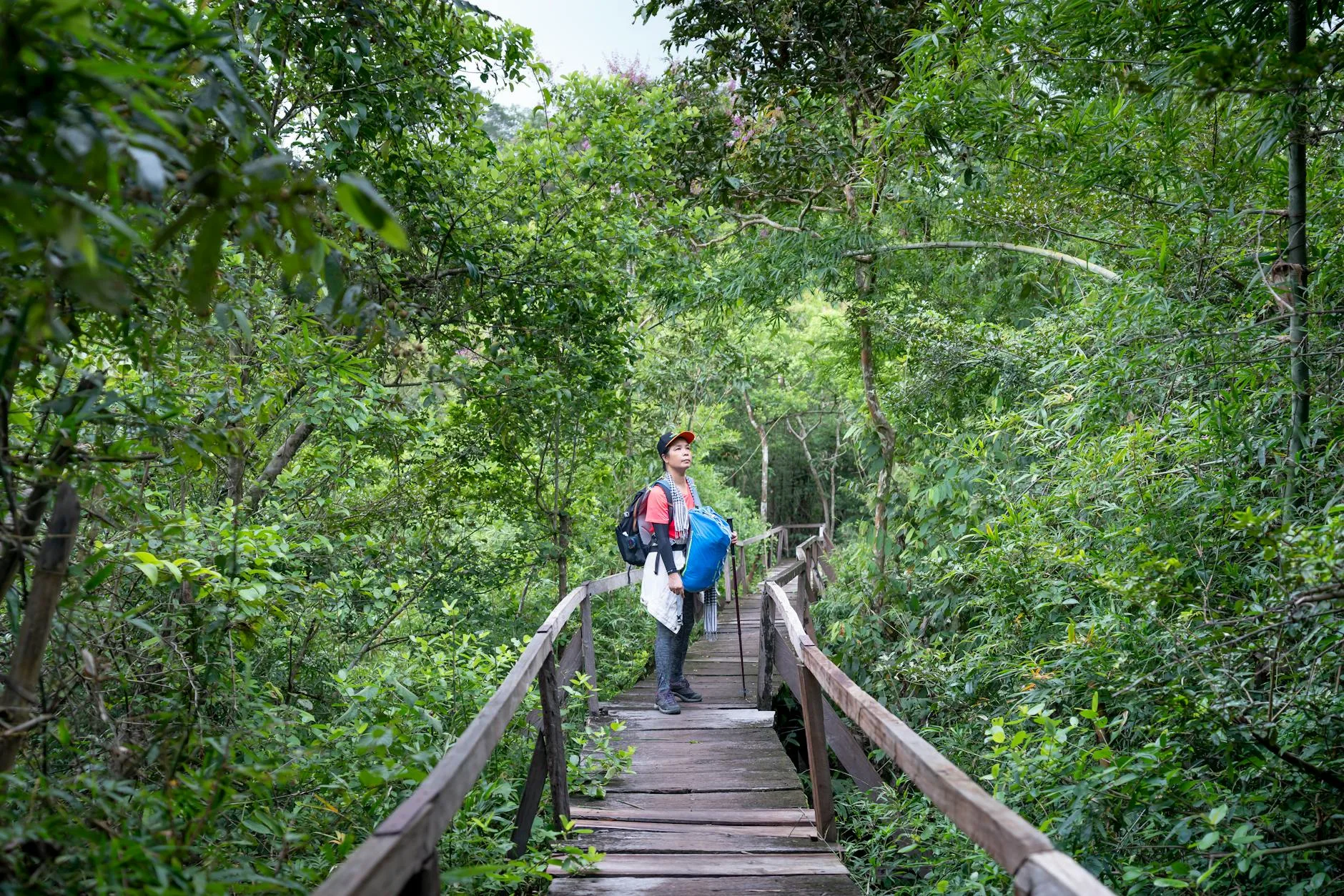
Weight is everything. The MSR PocketRocket or similar ultralight gas stove is the standard choice. For ultralight approaches, an alcohol stove or Esbit saves a few grams at the cost of convenience. Factor in fuel weight: a 100g gas canister lasts about an hour of cooking — roughly 3–4 days of twice-daily water boiling.
Winter and Mountain Camping
Gas performance drops below 0°C. Options: invert-the-canister stoves (like the MSR WindBurner Stove System), cold-weather gas blends with higher propane content, multi-fuel stoves, or alcohol stoves. The Trangia works well in cold — methylated spirits aren’t affected by temperature. For serious cold, multi-fuel is the reliable choice.
Family Camping
Two-burner stoves (Coleman, Campingaz) let you cook multiple things simultaneously — boiling pasta while heating sauce, or making pancakes while the kettle boils. They’re heavy (2–4kg) and bulky, but for car camping with children, the ability to cook a proper family meal is worth the weight. Kids and camping cooking are covered in our beginner’s cooking guide.
Festival and Casual
A basic single-burner gas stove (£15–25) handles everything you need: coffee in the morning, noodles when you’re hungry, hot water for a wash. Don’t bring anything expensive or precious — festival camping is where gear gets lost, broken, or borrowed permanently.
Wind Performance and Shielding
Wind is the enemy of camping stoves. An unshielded gas burner loses 30–50% of its heat output in moderate wind (15–20mph), which is a normal summer day on most UK hills.
Integrated Systems (Jetboil, MSR Reactor)
The pot clips directly to the burner, creating a sealed system with built-in wind protection. The most wind-resistant option, but you’re limited to the proprietary pot.
Windshield Systems (Trangia)
The stove sits inside a metal wind shield that surrounds the entire cooking area. Excellent wind performance, works with any pot that fits inside the shield. Heavier than bare stove setups.
DIY Windshields
A folding aluminium windshield (£5–10, about 50g) wraps around any stove to block wind. Essential for exposed camping with a bare gas burner. Leave a gap between the windshield and gas canister — trapped heat can overpressure the canister, which is dangerous. Never fully enclose a gas canister with a windshield.
When choosing a camping spot, natural wind shelter (wall, boulder, vehicle) reduces reliance on stove shielding.
Safety and Legal Considerations
Fire Safety
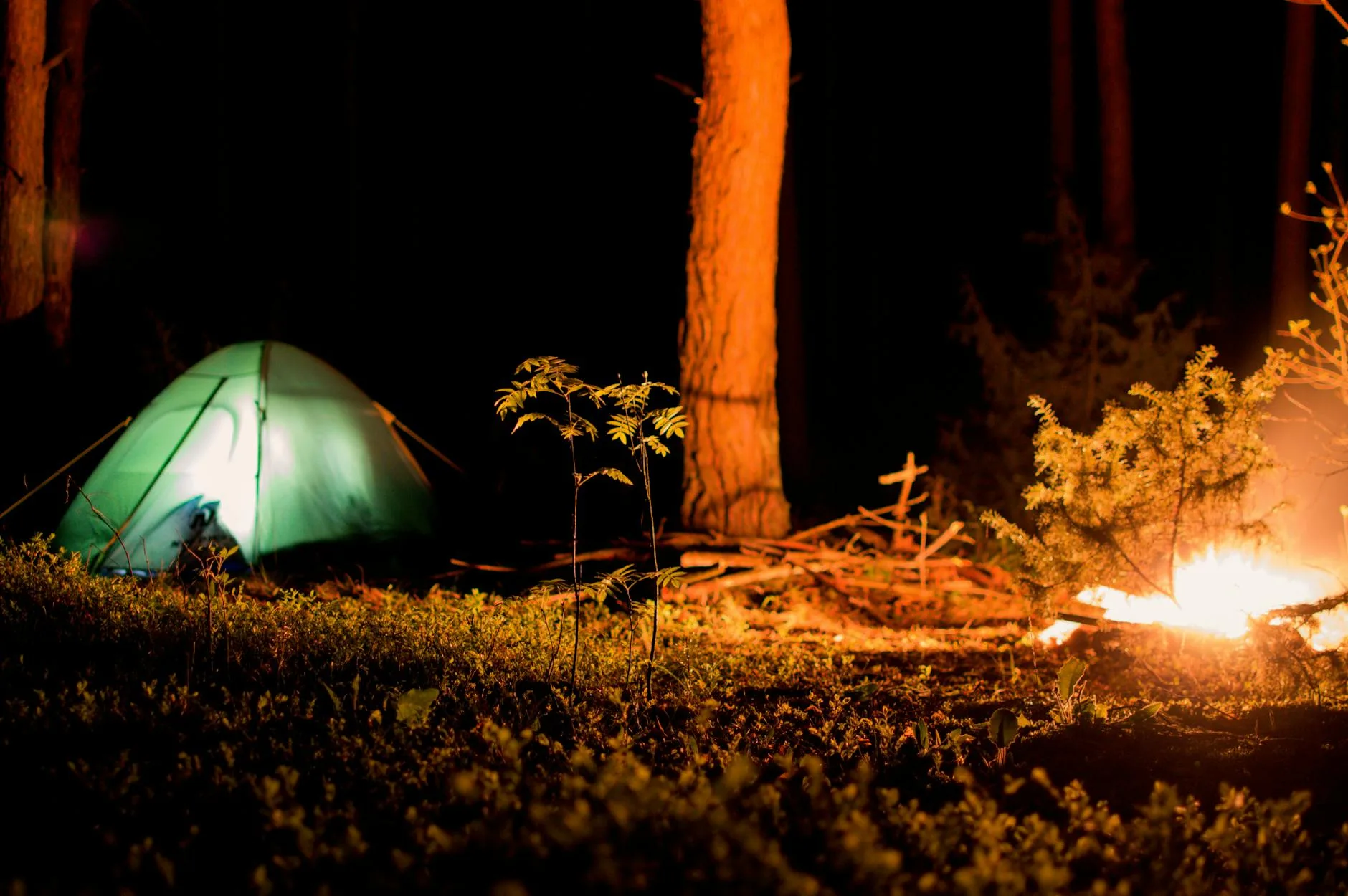
- Never use a stove inside a tent — carbon monoxide risk and fire risk. Cook in the porch or outside
- Keep fuel away from the stove and flames. Gas canisters stored in direct sunlight can overpressure
- Have water available to extinguish any accidental fire. A pot of washing-up water doubles as fire suppression
- Let the stove cool before packing. A hot stove melts pack fabric and can ignite fuel residue
Wild Camping and Open Fire Rules
In England and Wales, wild camping is technically trespassing on most land (Dartmoor excepted, though even that’s contested). Where it’s tolerated, stoves are generally acceptable but open fires are not. In Scotland, the right to roam includes responsible wild camping, but the Scottish Outdoor Access Code asks that you avoid fires where possible and use a stove instead.
Always check the specific land rules. Some nature reserves, forests, and private land prohibit all cooking flames — stoves included — during high fire risk periods. National Park guidance varies by park and season.
Fuel Storage and Transport
- Gas canisters: store upright, away from heat. Don’t pierce or incinerate empty canisters. Some local recycling centres accept them; check yours
- Liquid fuel: carry in purpose-built fuel bottles (MSR, Trangia), never in improvised containers. Label clearly. Store outside the tent
- Solid fuel tablets: store in original packaging, away from moisture
Stove Maintenance and Care
Gas Stoves
- Check the canister seal before each trip — a hissing sound when attaching means the O-ring needs replacing
- Clean the burner jets with the supplied cleaning needle if the flame becomes uneven
- Wipe the stove body after cooking — food residue attracts wildlife and corrodes metal over time
- Replace the piezo igniter battery if the spark weakens (or carry a lighter as backup — every experienced camper does)
Alcohol Stoves
- Rinse the burner cup after each trip to remove fuel residue
- Check the simmer ring (if fitted) moves freely
- Inspect the wind shield for dents that would affect airflow
- The Trangia system needs almost no maintenance — that’s its greatest feature
Multi-Fuel Stoves
- Clean or replace the fuel jet after every trip (different fuels leave different residues)
- Lubricate the pump cup with the supplied oil
- Check fuel bottle O-rings for cracking
- Carry spare jets and a maintenance kit on extended trips — multi-fuel stoves have more parts that can fail
A stove that’s clean and packed properly lasts years. One that’s thrown in a bag dirty after each trip lasts months.
Frequently Asked Questions
What’s the best camping stove for beginners? A canister gas stove like the MSR PocketRocket 2 or similar. Screw on a canister, turn the valve, light it — cooking in under 30 seconds. No priming, no pumping, no learning curve. Our cooking gear guide covers the full beginner setup.
How long does a gas canister last? A 100g canister provides roughly 60 minutes of cooking time at full power — enough for about 3–4 days of boiling water twice daily (morning coffee and evening meal). A 230g canister lasts about 7–10 days of similar use. Simmering uses less fuel than full-blast boiling.
Can I use a camping stove in the rain? Yes — gas and multi-fuel stoves work fine in rain, though a windshield helps maintain performance. Alcohol stoves can be diluted by heavy rain falling into the burner cup. All stoves benefit from shelter — cook under a tarp, in a tent porch (never inside the tent), or behind a natural windbreak.
Is it legal to use a camping stove in the UK countryside? In most situations, stoves are acceptable where wild camping is tolerated. Specific restrictions apply on some National Trust land, nature reserves, and during high fire risk periods. Scotland’s access code permits responsible stove use. Always check local rules and leave no trace.
Are camping stoves safe? Modern camping stoves with proper use are very safe. The main risks come from misuse: cooking inside tents (carbon monoxide), enclosing gas canisters with windshields (overpressure), and using stoves on unstable surfaces. Follow manufacturer instructions and common sense.