Day hikes are forgiving. Forget something and you are home by teatime. Multi-day hikes are not. Three days into the Pennine Way with a badly packed rucksack, a soggy sleeping bag, and no idea where your headtorch is — that is a miserable experience no amount of beautiful scenery can fix. I have done enough long-distance walks in the UK to know that packing for multi-day trips is a completely different discipline from throwing a waterproof and some sandwiches into a daypack.
In This Article
- Why Multi-Day Packing Is Different
- Choose the Right Size Rucksack
- The Weight Zone System
- What to Pack: The Complete Multi-Day Kit List
- Packing Order: Bottom to Top
- Keeping Everything Dry
- Food and Water Planning
- Managing Weight Across Multiple Days
- Adjusting Your Pack on the Trail
- Common Multi-Day Packing Mistakes
- Frequently Asked Questions
Why Multi-Day Packing Is Different
Volume and Weight Multiply
A day hike rucksack carries 5-8kg. A multi-day rucksack carries 12-18kg, sometimes more. That extra weight changes everything — how the pack sits on your frame, how it behaves on descents, how much energy you burn carrying it. Bad packing habits that are tolerable over a 15km day walk become crippling over 80km across four days.
You Cannot Improvise
On a day walk, you can nip into a pub for lunch or duck into a village shop for a forgotten hat. On a remote multi-day route — the Cape Wrath Trail, the Cambrian Way, most of the Scottish Highlands — there may be no shops, no pubs, and no phone signal for two days. Everything you need to eat, sleep, drink, and stay safe has to be on your back from the start.
Recovery Matters
After a day hike, you sleep in a bed. After day one of a multi-day hike, you sleep on the ground and do it all again tomorrow. Packing decisions that affect comfort — sleeping bag quality, mat thickness, pillow choice — compound over multiple nights. A poor night’s sleep on day one makes day two harder, which makes night two worse, and the spiral continues.
Choose the Right Size Rucksack
The Multi-Day Sweet Spot
For 2-4 day hikes in the UK, a 50-65 litre rucksack hits the sweet spot. Under 50 litres and you are fighting to fit everything in. Over 65 litres and you are either overpacking or carrying unnecessary space that shifts and slumps.
Wild Camping vs Hut-to-Hut
Wild camping adds tent, cooking gear, stove, and fuel — typically 3-4kg extra. This pushes you towards 55-65 litres. Hut-to-hut or bothy routes let you drop the tent and potentially the stove, bringing you closer to 45-55 litres. Know your route before choosing your pack size.
Fit Is Non-Negotiable
A rucksack that does not fit your back length and hip shape will be uncomfortable regardless of how well you pack it. Our rucksack fitting guide walks you through measuring your back length, adjusting the hip belt, and dialling in the load lifters. Get the fit right first, then worry about what goes inside.
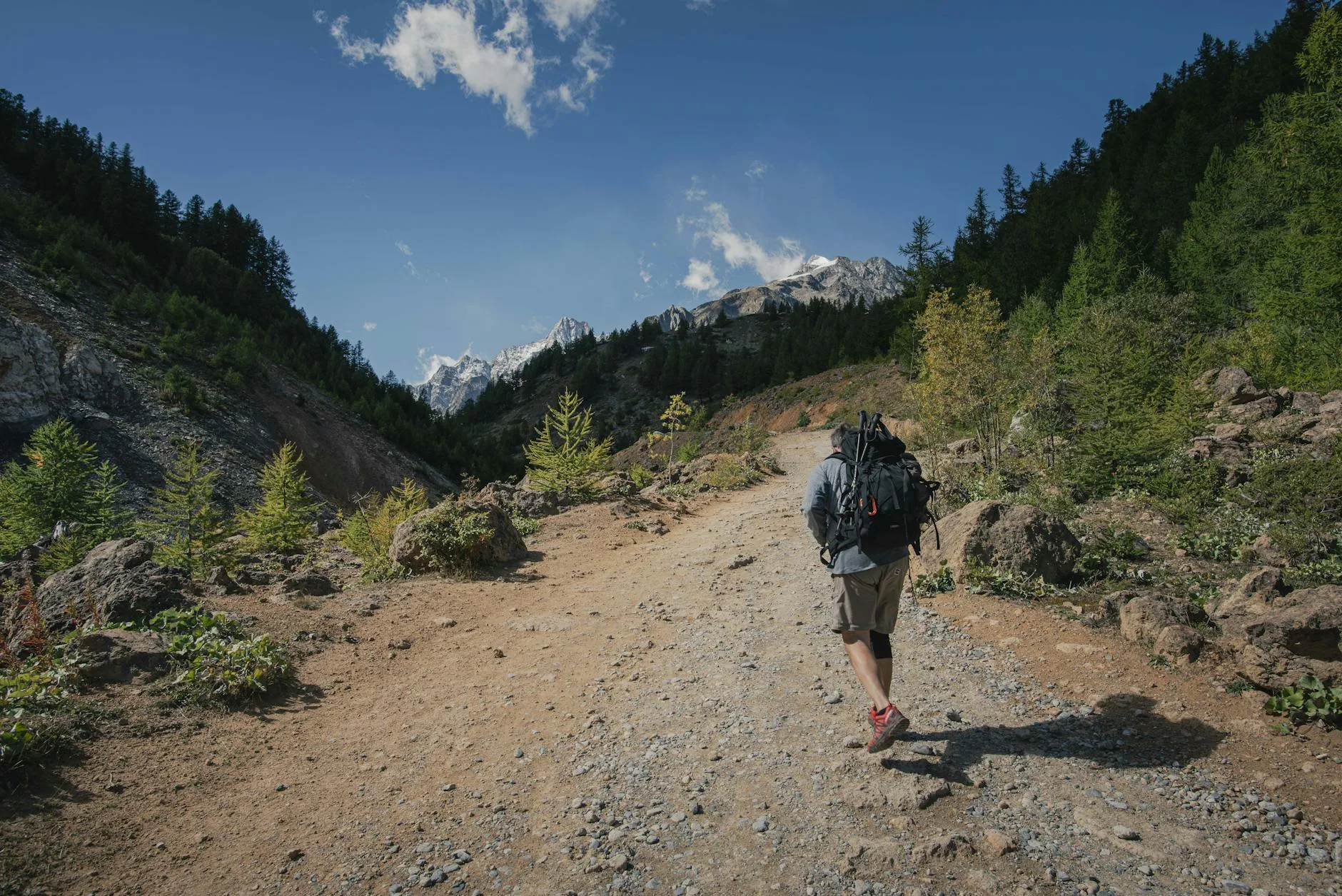
The Weight Zone System
The weight zone system is the foundation of good rucksack packing. It applies to day hikes too, but it is critical for multi-day loads where getting the weight distribution wrong costs you in energy, comfort, and joint health.
Bottom Zone: Light and Bulky
Your sleeping bag (in a compression sack inside a dry bag), spare base layer, and anything you will not need until camp. These items are lightweight but take up space. They create a soft base that cushions the heavier items above.
Middle Zone: Heavy and Dense
Water (1-2 litres weighs 1-2kg), food for the day, cooking kit, stove and fuel, tent body. Position these items as close to your back as possible and at mid-height in the pack — roughly between your shoulder blades and lower back. This keeps the centre of gravity close to your spine and high enough that it does not pull you backward.
Top Zone: Light, Needed Soon
Waterproof jacket, hat, gloves, sun cream, snacks, map, first aid kit. Items you might need to grab without unpacking the whole rucksack. The lid pocket (if your rucksack has one) is ideal for the absolute essentials: phone, wallet, compass, emergency whistle.
Side Pockets and External Straps
Water bottles go in side pockets for easy access. Tent poles strap vertically to the outside. Wet items (muddy gaiters, damp socks drying in the sun) clip to external loops rather than contaminating dry gear inside. Do not hang items from the outside unless they are secured — dangling kit catches on branches and throws your balance off.
What to Pack: The Complete Multi-Day Kit List
Shelter
- Tent or tarp — lightweight 2-person tent starts from about 1.5kg for ultralight options, 2.5-3kg for standard models
- Groundsheet or footprint — protects the tent floor and adds insulation
- Tent pegs — always carry 2-3 spare pegs. The ground at UK wild camping spots is often rocky
Sleep System
- Sleeping bag — rated at least 2-3 degrees below the lowest expected temperature. UK summer trips: comfort-rated 5°C minimum. Spring/autumn: comfort-rated 0°C. See our sleeping bag guide for UK-specific recommendations
- Sleeping mat — R-value of 2+ for summer, 4+ for spring/autumn. Self-inflating or inflatable — foam pads are bulkier but indestructible
- Pillow — inflatable camp pillow (about £10-20, weighs 60-100g). Stuffing a dry bag with clothes works but is less comfortable over multiple nights
Clothing
- Base layer — merino wool is ideal for multi-day trips because it resists odour (you will wear it multiple days)
- Mid layer — fleece or synthetic insulation. Bring one that can double as camp wear
- Waterproof jacket — breathable, hood with peak, pit zips for ventilation
- Waterproof trousers — full-length side zips let you put them on over boots
- Spare socks — two extra pairs minimum. Dry socks are a morale booster beyond all proportion
- Walking trousers — quick-drying synthetic, not cotton or denim
- Warm hat and gloves — even in summer for UK highlands and ridges
- Sun hat — for exposed ridges and moorland
Cooking and Eating
- Stove — canister stoves (JetBoil, MSR PocketRocket) are lightest and fastest. Budget about £30-70
- Fuel canister — 100g canister lasts 2-3 days for one person (boiling water only)
- Pot — one 750ml-1 litre pot is enough for solo hiking. Titanium is lightest, aluminium is cheapest
- Spork or long spoon — long-handled to reach the bottom of dehydrated meal pouches
- Mug — doubles as a second pot for coffee while food cooks
- Water treatment — filter, tablets, or Steripen. See our water filter guide for options
Navigation and Safety
- Map and compass — OS Explorer 1:25,000 for the route. Never rely solely on a phone
- Phone — fully charged, in a waterproof case, with offline maps downloaded
- Head torch — with spare batteries. Even in summer, you might arrive at camp after dark
- First aid kit — blister plasters (Compeed), painkillers, antiseptic wipes, bandage, tick remover, personal medication
- Emergency shelter — a foil bivvy bag (about £5, weighs 100g). Cheap insurance if something goes wrong
- Whistle — six blasts is the international mountain distress signal
Toiletries
- Trowel — for burying human waste at least 30m from water sources, as recommended by Mountaineering Scotland’s wild camping guidance
- Toilet paper — in a zip-lock bag. Pack out used paper in another zip-lock
- Hand sanitiser — small bottle
- Sun cream — SPF 30+ for exposed skin at altitude and on ridges
- Toothbrush and small toothpaste — cut-down travel size
Packing Order: Bottom to Top
This is the specific sequence. Do not deviate from it — the order exists for a reason.
1. Line the Rucksack
Place a large dry bag or bin liner inside the rucksack before anything else. This is your insurance against the rain that is almost guaranteed on any multi-day UK walk. Even rucksacks with “waterproof” claims leak through seams, zips, and the mesh back panel.
2. Sleeping Bag First
Compressed sleeping bag in its own dry bag goes in at the very bottom. Push it down and to the back. It is lightweight, compressible, and acts as a cushion for heavier items above.
3. Spare Clothes and Camp Wear
Roll clothing tightly and pack around and on top of the sleeping bag. Fill gaps — clothing is an excellent void-filler that prevents heavy items shifting during the day.
4. Tent Body
The tent inner and flysheet pack in the middle zone, close to your back. If your tent packs into a single stuff sack, place it vertically against the back panel of the rucksack. Poles strap externally or go along the side of the pack.
5. Heavy Items Centre-Back
Stove, fuel canister, water, and the day’s food go in the middle of the pack, pressed against the back panel. These are the heaviest items and need to sit as close to your spine as possible.
6. Cooking Pot on Top of Heavy Items
Nest your food inside your cooking pot to save space — dehydrated meals fit perfectly inside a 1-litre pot.
7. Waterproofs and Quick-Access Items on Top
Rain jacket, rain trousers, warm layer, and snacks sit in the top section of the main compartment or the lid pocket. You need these without unpacking.
8. Lid Pocket Essentials
Map, compass, phone, wallet, sun cream, lip balm, emergency whistle. The things you reach for most often.
Keeping Everything Dry
The Layered Approach
Do not rely on one method. Use all of these:
- Rucksack liner — large dry bag or heavy-duty bin liner inside the rucksack. This is your primary defence
- Individual dry bags — sleeping bag in its own dry bag, electronics in their own dry bag, spare clothes in their own dry bag. If one bag leaks, only one category of gear gets wet
- Rucksack cover — the elasticated cover that fits over the outside. Good for light rain, useless in heavy rain or when the pack is on the ground. Treat it as a supplementary layer, not your primary waterproofing
What Must Stay Dry at All Costs
Prioritise waterproofing for: sleeping bag (a wet sleeping bag in cold weather is a medical emergency), spare dry clothes (your recovery gear), electronics, and navigation materials. Everything else can tolerate dampness.
Food and Water Planning
Calories Per Day
Budget 2,500-3,500 calories per day for multi-day hiking, depending on terrain, distance, and your body weight. UK mountain routes burn more than valley paths. Underfuelling means hitting the wall on day two or three when glycogen reserves are depleted.
Weight-Efficient Foods
- Dehydrated meals — 400-600 calories per 100g. Brands like Firepot, Expedition Foods, and Wayfarer are available in UK outdoor shops (about £5-8 per meal)
- Nuts and trail mix — calorie-dense, lightweight, no cooking needed
- Porridge oats — cheap, lightweight, hot breakfast that sets you up for the day. Add powdered milk and sugar
- Tortilla wraps — last longer than bread, lighter, and pack flat
- Cheese and salami — high calorie, reasonably durable in UK temperatures
- Energy bars — Clif, Nakd, or homemade flapjack for on-the-move fuel
Water Strategy
Carry 1-2 litres and refill from streams using a filter or treatment tablets. Carrying a full day’s water (3-4 litres = 3-4kg) is unnecessarily heavy in the UK where freshwater sources are abundant. Our water filter guide covers the best options for UK hiking. Plan refill points using your map — look for streams flowing from high ground with no habitation upstream.
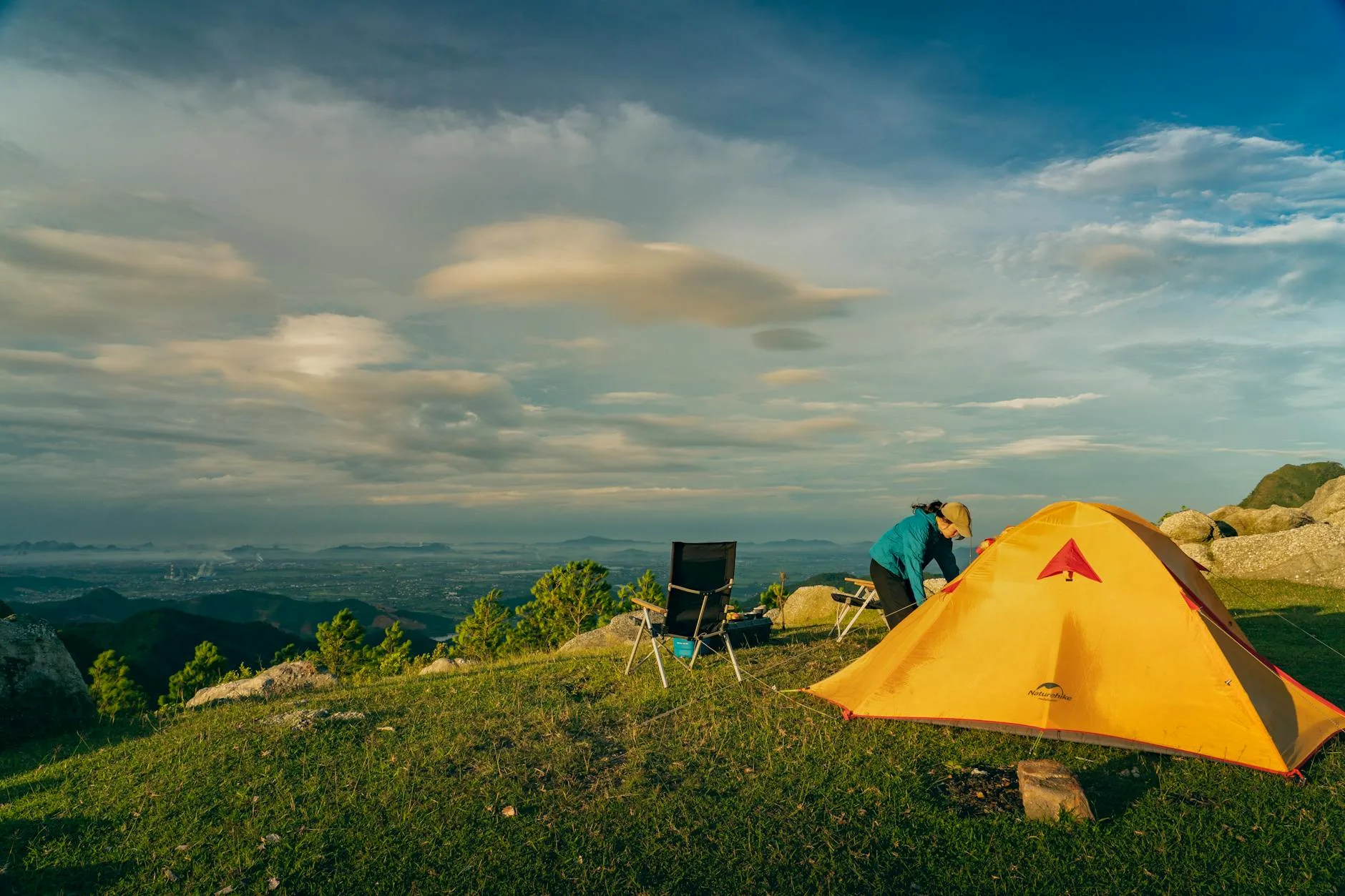
Managing Weight Across Multiple Days
Your Pack Gets Lighter
This is the one upside of multi-day hiking: you eat and drink your way through the heaviest consumables. By day three of a four-day trip, you have consumed most of your food and fuel. Your pack can be 2-3kg lighter than day one. Some hikers plan their hardest day for later in the trip when the pack is lightest.
Resupply Points
On longer walks (Coast to Coast, Pennine Way, West Highland Way), plan resupply stops in villages and towns along the route. Carrying seven days of food from the start is unnecessary when there are shops every 2-3 days. Mark resupply points on your map and note opening hours — remote village shops often close early.
The Luxury vs Necessity Test
For every item, ask: “Will I use this every day?” If the answer is no, leave it at home. A paperback book weighs 200g. A camping chair weighs 500g. Over four days and 60km, those grams become the difference between arriving at camp feeling strong and arriving broken. For a deeper dive into cutting weight, our guide on ultralight backpacking covers systematic weight reduction. If you are newer to backpacking, our general rucksack packing guide covers the day-hike fundamentals that this guide builds on.
Adjusting Your Pack on the Trail
Morning Adjustments
After packing up camp, walk for 10 minutes, then stop and adjust. The pack settles during the first few minutes of walking and straps that felt right at camp often need tightening. Check:
- Hip belt — snug on your hip bones, not your waist. It should carry 70-80% of the weight
- Shoulder straps — light contact with your shoulders, not digging in. If they are bearing heavy weight, the hip belt needs tightening
- Load lifters — the small straps running from your shoulder straps to the top of the pack. Angle them at about 45 degrees to pull the top of the pack towards your shoulders
Uphill Adjustments
On steep ascents, loosen the load lifters slightly to let the pack sit more upright. This shifts the centre of gravity over your hips rather than pulling you forward. Tighten the hip belt an extra notch to compensate.
Downhill Adjustments
On descents, tighten the load lifters to pull the pack closer to your back and lower the centre of gravity. Tighten compression straps to reduce sway. A pack that shifts on a descent throws your balance and stresses your knees.
Hot Weather
Loosen the shoulder straps slightly to allow airflow between the pack and your back. Many rucksacks have a tensioned mesh back panel for ventilation — make sure it is not compressed flat by over-tightened straps.
Common Multi-Day Packing Mistakes
Overpacking “Just in Case”
The biggest mistake. Every extra item weighs something, and those somethings add up. A spare pair of trousers “just in case” is 400g you carry for four days and never use. Be honest about what you actually need versus what makes you feel prepared. After a few multi-day trips, most people’s kit lists get shorter, not longer.
Not Doing a Test Pack
Pack your full kit at home and weigh it. Then put it on and walk around the block. Does anything dig in? Can you reach your water without removing the pack? Is the weight balanced? Finding these problems at home is inconvenient. Finding them 15km into day one is miserable.
Ignoring Weather Forecasts
UK mountain weather changes fast, but forecasts have improved enormously. Check the Met Office mountain weather forecast the morning you set off and adjust your clothing layers accordingly. Packing a down jacket for a 20-degree heatwave is dead weight. Not packing one for a cold snap is dangerous.
Packing Food You Do Not Enjoy
Four days of eating food you do not like is demoralising. Multi-day hikes are mentally tough enough without dreading every meal. Pack food you actually look forward to — it matters more than you think for morale and motivation.
Forgetting to Waterproof the Sleeping Bag
If one item gets wet, let it be your clothes. You can walk in damp clothes. You cannot sleep in a wet sleeping bag at 5 degrees without risking hypothermia. Double-bag your sleeping bag: compression sack inside a dry bag. No exceptions.
Frequently Asked Questions
How heavy should my pack be for a multi-day hike? Aim for no more than 20% of your body weight as an upper limit, but lighter is always better. For most people, this means 12-16kg for a 3-4 day wild camping trip in the UK. Ultralight hikers get below 10kg, but this requires specialist (and often expensive) gear. Start by packing everything you think you need, weigh it, then remove items until you reach a comfortable weight.
What size rucksack do I need for a 3-day hike? A 50-60 litre rucksack is ideal for most 3-day trips with wild camping. If you are staying in bothies or hostels and do not need a tent, 40-50 litres is sufficient. Avoid going bigger than 65 litres — larger packs encourage overpacking, and unused space allows gear to shift and unbalance the load.
Should I use a dry bag or a rucksack cover for waterproofing? Both. A rucksack cover keeps rain off the outside but fails in heavy downpours, when the pack is on the ground, or when water enters through the back panel. An internal dry bag liner protects everything inside regardless of conditions. Use the cover as a first line and the liner as your insurance.
How do I keep my sleeping bag dry? Put it in a compression sack first, then inside a heavy-duty dry bag. Never rely on the rucksack itself being waterproof — even expensive packs leak through seams and zips in sustained rain. A dry sleeping bag is your single most important piece of safety equipment in cold, wet UK conditions.
Can I pack a multi-day rucksack without a tent if I use bothies? Yes, and it saves 1.5-3kg. Scotland’s Mountain Bothies Association maintains free shelters across the Highlands. England and Wales have fewer options, but some routes (like parts of the Pennine Way) have hostels and camping barns at regular intervals. Check availability before committing to a bothy-only plan — they are first-come-first-served and cannot be booked.