You’re packing for a weekend in Snowdonia and you’re staring at two base layers: a merino wool top that cost £55 and a polyester one that cost £18. They both claim to wick moisture, regulate temperature, and keep you comfortable. One costs three times the other. Is the merino actually better, or are you paying for marketing and a nice label? The answer depends on what you’re doing, for how long, and how much you hate doing laundry.
In This Article
- The Quick Answer
- What Base Layers Actually Do
- Merino Wool: Strengths and Weaknesses
- Synthetic: Strengths and Weaknesses
- Moisture Management
- Temperature Regulation
- Odour Resistance
- Durability and Lifespan
- Drying Speed
- Comfort and Feel
- Environmental Impact
- Cost Per Wear
- Which to Choose for Each Activity
- Merino-Synthetic Blends
- Frequently Asked Questions
- The Bottom Line
The Quick Answer
Merino wins on: odour resistance, comfort against skin, temperature regulation across a wide range, and performance when damp. It’s the better choice for multi-day hikes, travel, and variable UK weather.
Synthetic wins on: drying speed, durability, cost, and performance in sustained high-intensity activity. It’s the better choice for running, high-output cardio, and anyone on a budget.
Neither is objectively better. They solve different problems. Owning one of each — merino for slower activities and overnight trips, synthetic for hard efforts and gym sessions — is the pragmatic approach most experienced hikers end up with.
What Base Layers Actually Do
A base layer is the garment next to your skin. Its job is to manage moisture — moving sweat away from your body so you stay dry and comfortable. This matters because wet skin chills faster than dry skin, and in UK conditions where temperatures can drop rapidly, staying dry is a safety issue as much as a comfort one.
For the full picture of how base, mid, and outer layers work together, our layering system guide covers the complete setup.
The Two Ways Fabrics Handle Moisture
- Absorption — the fabric soaks up sweat into its fibres. Merino does this. It absorbs up to 30% of its weight in moisture before feeling wet
- Wicking — the fabric moves sweat along its surface through capillary action without absorbing it. Synthetic does this. It channels moisture to the outer surface where it evaporates
Both approaches keep your skin drier than cotton (which absorbs moisture and holds it against you — hence the hiking mantra “cotton kills”). But they achieve it differently, and those differences matter in practice.
Merino Wool: Strengths and Weaknesses
The Strengths
- Odour resistance — merino’s biggest advantage. The wool fibre structure and natural lanolin content resist bacterial growth. You can wear a merino base layer for 3-5 days of hiking before it smells noticeable. Try that with polyester and people will avoid your tent
- Temperature regulation — merino is effective across a remarkably wide range. The crimped fibre structure traps air when you’re cold and releases it when you’re warm. A 200g merino top works from 5°C to 20°C without feeling wrong at either end
- Comfort when damp — even at 30% moisture absorption, merino feels dry against skin. The moisture sits inside the fibre, not on the surface. You stay comfortable for longer before the fabric feels clammy
- Soft against skin — fine merino (17.5 micron or finer) is soft enough that most people can wear it next to skin without itching. It’s a world apart from your grandmother’s scratchy wool jumper
- UV protection — merino naturally provides UPF 30-50+, which matters on exposed UK mountain ridges
- No static — merino doesn’t build up static charge. Synthetic fabrics crackle and cling
The Weaknesses
- Slow to dry — merino dries noticeably slower than synthetic. In persistent rain where you’re cycling between wet and dry, this is a real disadvantage
- Durability — merino is thinner and more delicate than synthetic. Expect pilling, thinning at stress points, and holes from pack straps or rough use after 1-3 years of regular use
- Cost — £40-70 for a quality merino base layer versus £15-30 for synthetic. The price gap has narrowed but merino remains premium
- Care requirements — machine wash on wool cycle, no tumble drying, reshape while damp. More fuss than synthetic, which survives any washing machine cycle
- Moth vulnerability — store merino in sealed bags or with cedar blocks. Moths eat protein fibres, and merino is their favourite meal
Synthetic: Strengths and Weaknesses
The Strengths
- Drying speed — synthetic fabrics dry 50-70% faster than merino. If you’re caught in rain and need to dry your base layer at camp, synthetic wins every time. Our guide on drying wet gear in camp covers the techniques
- Durability — polyester and nylon base layers last 3-5+ years of hard use without thinning, pilling (on quality fabrics), or developing holes. They shrug off abrasion from pack straps and rough rock
- Cost — a quality synthetic base layer costs £15-30, about half the price of equivalent merino
- Easy care — machine wash on any cycle, tumble dry, no special treatment. Synthetic fabrics are nearly indestructible in the washing machine
- Stretch and fit — synthetic fabrics with elastane blend have more stretch and better shape retention than merino. They recover from being stretched over wet skin without bagging out
The Weaknesses
- Odour — the fundamental problem. Synthetic fabrics harbour bacteria like nothing else. After one day of sweaty hiking, a polyester base layer smells. After two days, it reeks. Anti-odour treatments (Polygiene, silver ions) help initially but wash out over time
- Less comfortable when damp — synthetic wicks moisture to the surface but doesn’t absorb it. In sustained dampness, sweat sits on the fabric surface against your skin, creating a clammy feeling
- Temperature range — synthetic base layers tend to have a narrower comfort range. A synthetic that’s comfortable at 10°C may feel too warm at 18°C and too cold at 5°C
- Static — synthetic fabrics build up static charge, especially in dry conditions. This is more annoying than functional, but it’s noticeable
- Environmental concerns — polyester is a plastic. It sheds microplastics in the wash, doesn’t biodegrade, and is derived from petroleum. More on this below
Moisture Management
This is where the fundamental difference matters most, and it’s the key to choosing the right fabric for your activity.
How Merino Handles Sweat
Merino fibres absorb moisture vapour (sweat in gas form) into the fibre core. This happens at a molecular level — the wool protein bonds with water molecules. The result is that your skin stays in contact with a surface that feels dry, because the moisture is inside the fibre rather than sitting on its surface.
The trade-off: when those fibres are fully saturated (after sustained heavy sweating or rain), they hold that moisture for a long time. Drying is slow because the water has to leave the fibre core, not just evaporate from the surface.
How Synthetic Handles Sweat
Synthetic fibres don’t absorb moisture — they repel it. Instead, the fabric’s construction (fibre shape, weave pattern, surface treatment) moves liquid sweat along the material’s surface through capillary action to the outer face, where it evaporates.
This means synthetic dries faster because moisture never enters the fibre — it just needs to evaporate from the surface. But it also means that in high humidity or persistent dampness, the moisture has nowhere to go. It sits on the fabric surface against your skin, which is why synthetic feels clammy in prolonged rain.
The Practical Implication
- Moderate sweating in variable conditions: Merino is more comfortable because it buffers moisture invisibly
- Heavy sweating in a single burst: Synthetic moves moisture away from skin faster and dries quicker when you stop
- Multi-day sustained dampness: Neither is great, but merino stays more comfortable longer
Temperature Regulation
Merino’s Natural Thermostat
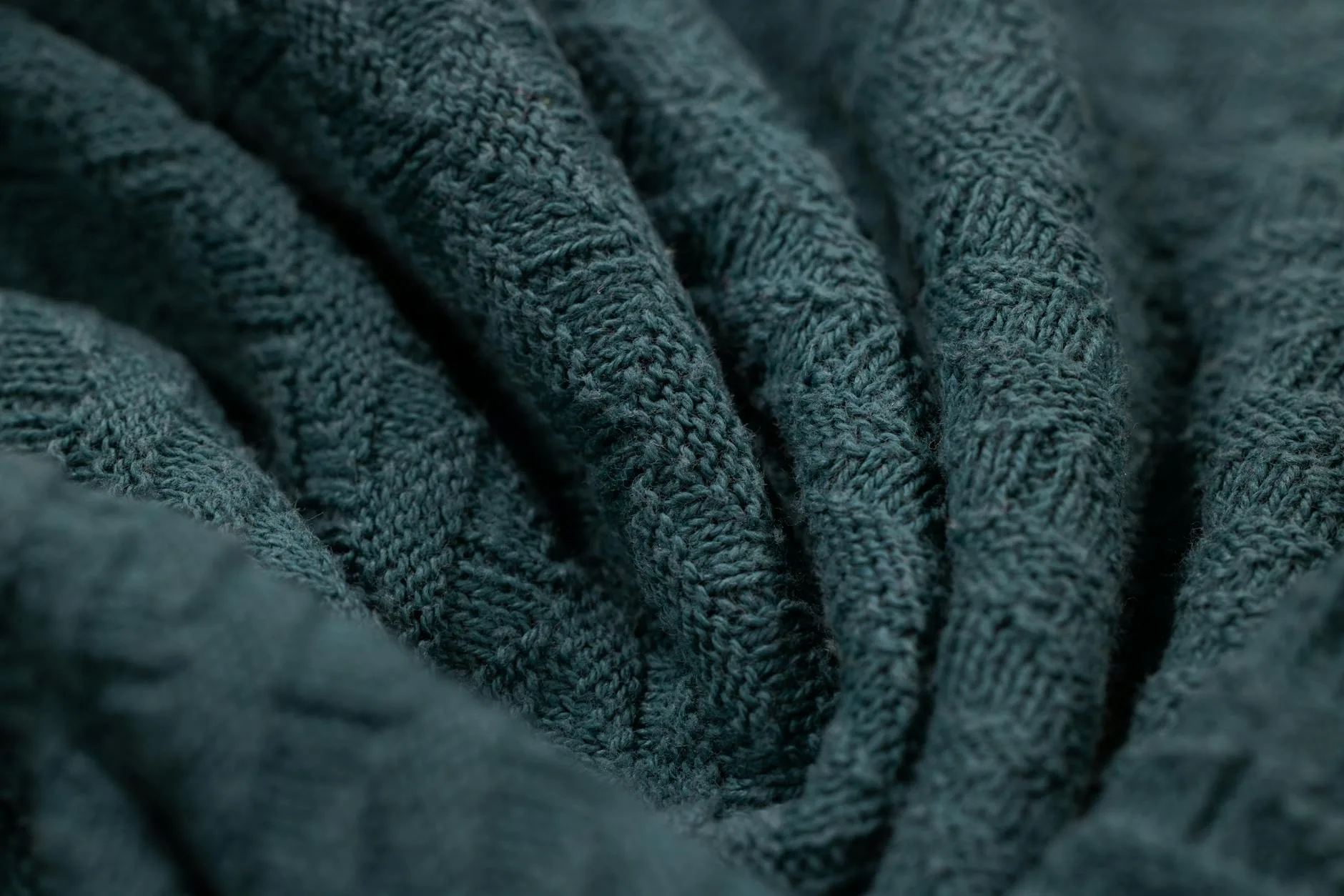
Merino wool has a unique structure where each fibre is crimped (naturally wavy), creating tiny air pockets in the fabric. These pockets trap warm air when it’s cold and release it when you’re warm. The moisture absorption also contributes — when merino absorbs moisture, it generates a small amount of heat through an exothermic reaction. This measurably warms you in cold, damp conditions.
The practical result: a 200g merino base layer is comfortable from about 5°C to 20°C. You don’t need to carry multiple weight options for a UK weekend where temperatures might swing 10-15 degrees between dawn and afternoon.
Synthetic’s Narrower Band
Synthetic base layers regulate temperature primarily through fabric weight and construction (mesh panels, varying knit density). They don’t have merino’s natural thermostat. A lightweight synthetic that’s perfect for a 15°C hike feels thin and cold at 5°C. A heavyweight synthetic for cold conditions overheats at 12°C.
For UK conditions — where you might start a hike at 8°C in cloud and finish at 18°C in sunshine — merino’s broader comfort range is a practical advantage. For activities with a consistent output level (running at a steady pace, gym sessions), synthetic’s predictability works fine. For a related angle, see our Clothing & Layers Buying Guide for Beginners guide.
Odour Resistance
This is where merino wins so decisively that it’s worth its premium on its own for multi-day use.
Why Merino Doesn’t Smell
Merino’s fibre structure actively inhibits bacterial growth. The lanolin (natural wax) in the fibres has antimicrobial properties, and the scaly surface of each fibre makes it harder for bacteria to establish colonies compared to the smooth surface of synthetic fibres. Independent testing by The Woolmark Company shows merino resists odour buildup for days of continuous wear.
Why Synthetic Smells Terrible
Polyester and nylon have smooth fibre surfaces that bacteria love. The porous microstructure of synthetic fabrics traps organic compounds from sweat — the bacteria feed on these and produce the volatile compounds you smell. Once bacterial colonies establish in synthetic fabric, they’re almost impossible to fully remove. Anti-odour treatments (silver ions, Polygiene) help initially but degrade with washing.
The Multi-Day Test
On a 3-day hike wearing the same base layer:
- Merino: Smells faintly of wool by day 3. Wearable. Your tent-mate won’t complain
- Synthetic: Noticeably unpleasant by end of day 1. Actively offensive by day 2. Your tent-mate will sleep outside
If you’re doing multi-day trips with limited washing opportunities, merino is the only sensible choice.
Durability and Lifespan
Merino: Handle With Care
- Expected lifespan: 1-3 years of regular use (100-300 wears)
- Common failures: Pilling on the surface, thinning at elbow and underarm areas, small holes from abrasion or moths
- Vulnerable to: Pack strap rubbing, rough rock contact, moths in storage, aggressive washing
- Care tips: Wash inside out on a wool cycle, use a mesh laundry bag, store with cedar blocks
Synthetic: Built to Last
- Expected lifespan: 3-5+ years of regular use (300-500+ wears)
- Common failures: Loss of shape over time, anti-odour treatment washing out, eventual pilling on cheaper fabrics
- Vulnerable to: Very little. Heat damage from dryers set too hot, but the fabric itself is remarkably resilient
- Care tips: Machine wash on any cycle, tumble dry low
Cost Over Time
A £55 merino base layer lasting 2 years = £27.50 per year. A £20 synthetic lasting 4 years = £5 per year. Synthetic is clearly cheaper per year of use. But merino’s odour resistance means you need fewer of them for multi-day trips — one merino top replaces 2-3 synthetic tops you’d need to rotate.
Drying Speed
In controlled testing, synthetic base layers dry in roughly 30-60 minutes in moderate conditions (20°C, light breeze). Merino takes 2-4 hours under the same conditions. That’s a 3-4x difference that matters when:
- You’ve been caught in rain and need to dry off at camp
- You’re washing kit mid-trip and need it dry by morning
- You’ve crossed a river and want dry clothes for the evening
For day hikes where you return to a warm car or house, drying speed is less important. For multi-day trips where drying at camp is necessary, it’s a genuine factor. Our guide on the best base layers covers specific product recommendations if you’ve decided which fabric type suits you.
Comfort and Feel
Merino
Fine merino (17.5 micron or below) feels soft, smooth, and almost silky against skin. It doesn’t itch — a common misconception carried over from coarser wool types. The fabric moves with your body, doesn’t cling when damp, and has a natural warmth that synthetic can’t replicate. Most people who try quality merino against skin prefer the feel to synthetic.
Synthetic
Modern synthetic base layers have improved enormously. The best ones (from brands like Patagonia, Rab, and Montane) have soft, brushed inner surfaces that feel comfortable against skin. Cheaper synthetics can feel plasticky, clingy when damp, and generate static that makes the fabric stick to you in annoying ways.
Environmental Impact
Neither option is environmentally clean, but the concerns are different.
Merino
- Positives: Biodegradable, renewable, lower energy manufacturing than synthetic
- Concerns: Animal welfare (mulesing practices — look for non-mulesed certified wool), land use, methane emissions from sheep farming, carbon footprint of shipping from New Zealand (where most merino comes from)
Synthetic
- Positives: Increasingly made from recycled polyester (rPET), durable (fewer replacements = less waste)
- Concerns: Petroleum-derived, sheds microplastics in every wash (200,000+ fibres per wash cycle — a Guppy Friend wash bag reduces this by 86%), doesn’t biodegrade, contributes to ocean plastic pollution
The Pragmatic View
If environmental impact is a priority, buy fewer, better items in either fabric and wear them until they’re genuinely worn out. A merino top worn 200 times has a lower per-use impact than a synthetic top worn 50 times before being discarded. Our Pop-Up vs Pole Tents: Which Is Better for UK Camping? guide is useful alongside this.
Cost Per Wear
Budget Breakdown
- Budget synthetic: £12-20. Adequate for occasional use. Expect 100-200 wears
- Quality synthetic: £25-40. Better fabrics, odour treatment, longer lasting. Expect 300+ wears
- Budget merino: £30-40. Thinner, less durable, but still gets the core merino benefits. Expect 100-150 wears
- Quality merino: £50-75. Denser knit, reinforced stress points, longer lasting. Expect 200-300 wears
The Maths
- Budget synthetic at £15 ÷ 150 wears = £0.10 per wear
- Quality synthetic at £30 ÷ 350 wears = £0.09 per wear
- Budget merino at £35 ÷ 125 wears = £0.28 per wear
- Quality merino at £60 ÷ 250 wears = £0.24 per wear
Synthetic is roughly 2.5-3x cheaper per wear. The question is whether merino’s advantages (odour, comfort, temperature regulation) justify the premium for your specific use case.

Which to Choose for Each Activity
Hiking (Day Walks)
Either works. Merino if you want all-day comfort across variable temperatures. Synthetic if you run hot and need fast drying. For UK day walks where you’re back at the car by 5pm, the choice is mostly about comfort preference.
Multi-Day Backpacking
Merino. The odour resistance alone makes it the obvious choice when you’re wearing the same base layer for 3-5 days. The temperature regulation across cold mornings and warm afternoons is a bonus. Pack a synthetic spare for sleeping in if you want a dry option for camp.
Running and Trail Running
Synthetic. High-intensity activities produce more sweat than merino can buffer. Synthetic’s fast wicking and rapid drying keep you more comfortable during and after sustained effort. The odour issue doesn’t matter for a single-session garment that goes straight in the wash.
Winter Hillwalking
Merino. The heat generated when merino absorbs moisture is measurable in cold conditions. Combined with better insulation when damp, merino gives you a safety margin in winter weather that synthetic doesn’t match.
Gym and Indoor Training
Synthetic. Fast drying, cheap, easy to wash frequently. The odour issue is managed by washing after every session. Merino’s advantages don’t apply to 1-hour indoor sessions.
Travel and Multi-Use
Merino. Wear it hiking, wear it to dinner, wear it on the plane. Nobody knows you’ve been wearing it for three days. Synthetic would clear the restaurant.
Merino-Synthetic Blends
An increasingly popular middle ground. Blends typically mix 60-70% merino with 30-40% synthetic (usually nylon for durability or polyester for drying speed).
What Blends Offer
- Better durability than pure merino (the synthetic reinforces high-stress areas)
- Faster drying than pure merino (30-50% faster in most blends)
- Good odour resistance (not as good as 100% merino but far better than pure synthetic)
- Lower cost than pure merino (typically £35-50 vs £50-75)
What They Sacrifice
- Slightly less soft than fine pure merino
- Less effective temperature regulation than pure merino
- Still sheds some microplastics due to the synthetic content
- Not as durable as pure synthetic
The Verdict on Blends
For most UK hikers doing a mix of day walks and occasional multi-day trips, a merino-nylon blend is the best all-rounder. You get 80% of merino’s benefits with 50% more durability and faster drying. It’s the compromise that makes the most sense for most people.
Frequently Asked Questions
Is merino wool itchy? Not if it’s fine enough. Look for 17.5 micron or finer — this is the threshold where most people can wear it against skin without itching. Cheaper merino or coarser blends (over 20 micron) can itch. If you’ve only experienced scratchy wool jumpers, fine merino will change your mind.
How often should you wash a merino base layer? After 3-5 wears or when it starts to smell — whichever comes first. Airing it overnight between uses extends the time between washes. Wash on a wool cycle at 30°C, inside out, in a mesh bag. Don’t tumble dry — lay flat or hang to dry.
Can you wear merino in summer? Yes. Lightweight merino (150g weight) wicks moisture and regulates temperature well in warm conditions. It won’t feel as cool as a loose cotton T-shirt in a heatwave, but for active use in 15-25°C UK summer hiking, it performs well. Above 30°C, synthetic may be more comfortable.
Why is merino so expensive? The wool comes primarily from specialised Merino sheep in New Zealand and Australia. Farming, shearing, processing, and shipping the fine fibre is more expensive than manufacturing polyester from petroleum. The premium reflects real production costs, not just marketing.
Do anti-odour treatments on synthetic base layers work? Initially, yes. Treatments like Polygiene (silver chloride) and HeiQ Fresh reduce bacterial growth for 20-50 washes. After that, the treatment washes out and the smell returns. Some treatments last longer than others, but none are permanent. Merino’s odour resistance is inherent to the fibre and doesn’t wash out.
The Bottom Line
If you can only afford one base layer for outdoor use, buy synthetic — it’s cheaper, more durable, and performs well for most activities. If you can afford two, add a merino for multi-day trips, travel, and cooler conditions.
The merino vs synthetic debate generates strong opinions online, but the experienced answer is: own both and use each where it’s strongest. Merino for the hut-to-hut trek through the Highlands. Synthetic for the fell run. A blend for everything in between.