The sun drops behind the hills faster than you expected, you’re halfway through cooking dinner on the camp stove, and suddenly you can’t see what you’re doing. Fumbling with your phone torch while trying not to drop a pan of boiling water is nobody’s idea of a good time. A decent camping lantern would have solved this twenty minutes ago — hung from the inner tent, clipped to a guy rope, or just sitting on the table throwing a warm glow across the whole pitch.
Camping lanterns have come a long way from the gas-guzzling Coleman classics your parents used. Modern LED lanterns are smaller, brighter, and run on rechargeable batteries that last entire weekends. Some double as power banks to charge your phone. Some collapse flat for packing. And the best ones throw enough light to read a map, cook a meal, and find the zip on your sleeping bag — all without blinding everyone in a three-pitch radius.
In This Article
- Our Top Pick
- How to Choose a Camping Lantern
- Best Camping Lanterns 2026 UK
- Goal Zero Lighthouse 600: Best Overall
- BioLite AlpenGlow 500: Best for Ambience
- Vango Nova 200: Best Budget Option
- Ledlenser ML6: Best for Backpacking
- Coleman BatteryLock Conquer Twist: Best Classic Style
- LuminAID PackLite Nova: Best Solar Option
- Lantern vs Head Torch: When to Use Which
- Battery and Charging Tips
- Frequently Asked Questions
Our Top Pick
The Goal Zero Lighthouse 600 is the camping lantern I’d grab first for any trip. At about £75, it’s not the cheapest option, but it does everything well — 600 lumens of dimmable light, a built-in USB power bank, collapsible legs for hanging or standing, and a battery that lasts up to 300+ hours on the lowest setting. It’s the Swiss Army knife of lanterns.
For a tighter budget, the Vango Nova 200 at around £18-22 does a solid job and won’t sting if it gets lost or damaged.
How to Choose a Camping Lantern
Lumens and Brightness
Lumens measure total light output. Here’s what different levels feel like in practice:
- 50-100 lumens — enough to find things inside a tent without waking everyone
- 100-200 lumens — comfortable for cooking, reading, and general campsite use
- 300-600 lumens — lights up a large area; useful for group cooking and socialising
- 600+ lumens — overkill for most camping; can be blinding at close range
Most people need 150-300 lumens for general campsite use. Higher isn’t always better — a 600-lumen lantern on full blast drains batteries fast and makes it hard for your eyes to adjust to the dark when you switch it off.
Power Source
- Rechargeable (USB) — most convenient for short trips; charge before you go, top up from a car or power bank. The standard now for good reason
- Disposable batteries (AA/AAA) — reliable backup for longer trips where you can’t recharge; easy to buy at any shop
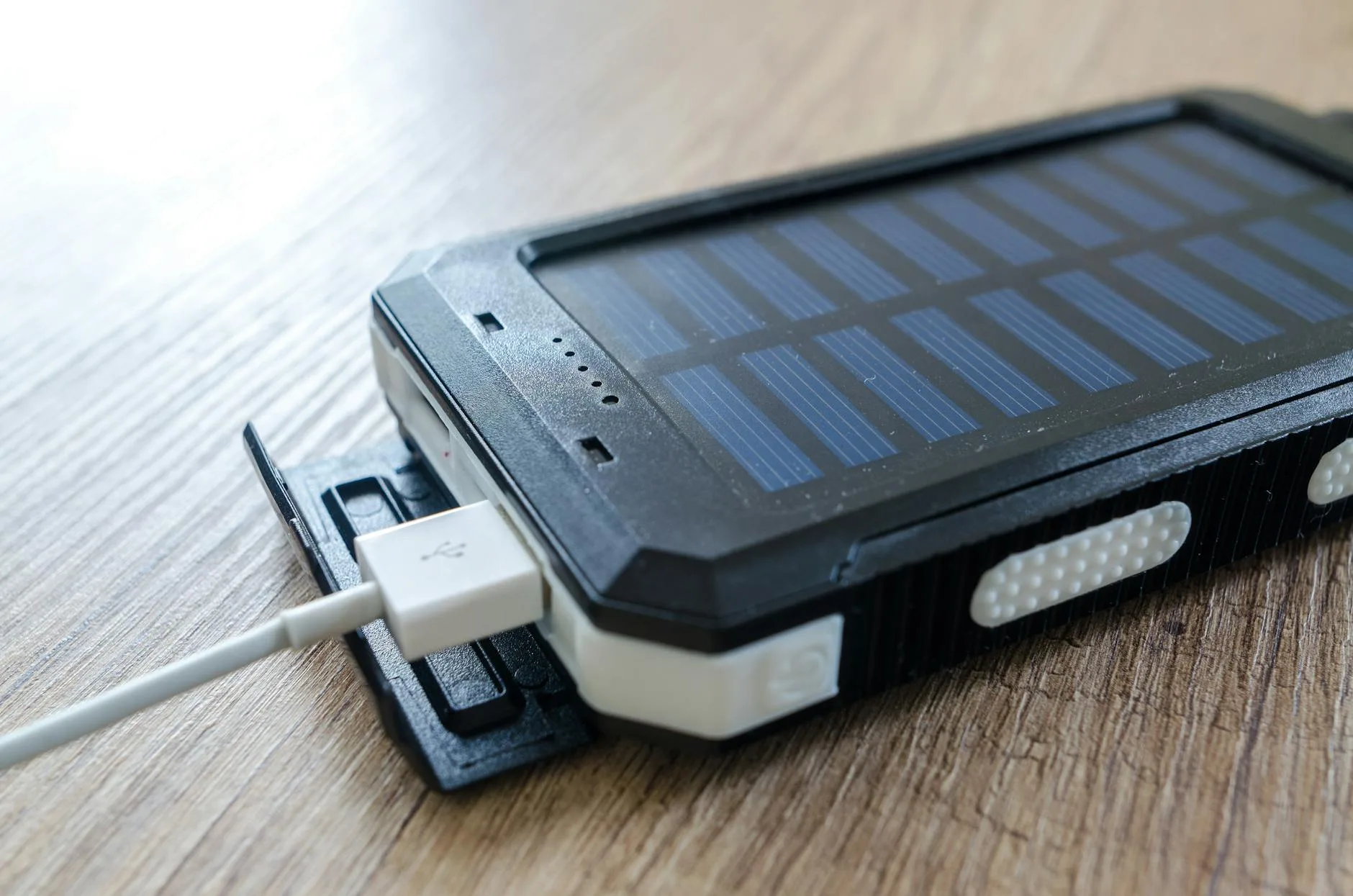
- Solar — great as a supplement but rarely powerful enough alone; best for emergency backup or ultra-light packing
- Hybrid (rechargeable + battery backup) — the most versatile option for multi-day trips
Weight and Pack Size
If you’re car camping, weight doesn’t matter — bring the biggest lantern you like. For backpacking, every gram counts. The ultralight approach means choosing a lantern under 200g, which rules out the chunky models but still leaves some excellent options.
Hang Mechanism
A lantern you can hang throws light more evenly than one sitting on a table. Look for a built-in hook, carabiner loop, or magnetic base. Hanging from the inner tent apex illuminates the whole space without shadows — sitting on the groundsheet lights up the ceiling and leaves everything else in the dark.
Water Resistance
UK camping means rain. Look for at least IPX4 (splash-proof) for general use, or IPX7 (submersible) if you camp in properly wet conditions. Nothing ruins a weekend faster than a dead lantern because you left it on the picnic table during a downpour. The Camping and Caravanning Club recommends treating all electronics as vulnerable to UK weather — and they’re not wrong.
Best Camping Lanterns 2026 UK

Goal Zero Lighthouse 600: Best Overall
Price: About £70-80 from Cotswold Outdoor, Blacks, or Amazon UK
The Lighthouse 600 has been the benchmark camping lantern for several years, and nothing has displaced it. The dual-direction lighting lets you illuminate a full 360 degrees or just one side (useful inside a tent when your partner is trying to sleep). Fold the legs down and it stands on a table; fold them up and the built-in hook hangs from any loop, branch, or guy rope.
Power Bank Function
The 6,400 mAh battery doubles as a USB-A power bank. It won’t fully charge a modern smartphone (those need 4,000-5,000 mAh), but it’ll add 50-70% in a pinch — enough to get through another day of GPS and photos. This dual function means one less gadget to pack.
Runtime
- High (600 lumens): about 6 hours
- Medium (300 lumens): about 12 hours
- Low (50 lumens): about 320 hours
The medium setting is what you’ll use 90% of the time. Twelve hours covers an entire evening and then some, which means you can easily get a three-night weekend from a single charge if you’re sensible about brightness. For a related angle, see our Best Tents 2026: Family, Backpacking & Wild Camping UK guide.
The Downsides
- At 340g, it’s heavy for backpacking — this is a car camping or basecamp lantern
- The collapsible legs have a slightly cheap feel and can catch on things in a packed bag
- No red light mode — you’re stuck with white light, which affects night vision
BioLite AlpenGlow 500: Best for Ambience
Price: About £65-75 from BioLite, Cotswold Outdoor, or Amazon UK
If you want your campsite to look like an Instagram photo, the AlpenGlow is the one. The colour-changing LED can cycle through warm whites, ambers, reds, greens, and blues — and before you dismiss that as gimmicky, the warm amber mode is genuinely the most pleasant camping light I’ve used. It mimics firelight without the smoke, bugs, or fire safety concerns.
The Shake Feature
Shake the AlpenGlow and it changes mode — candle flicker, colour cycle, or party mode. It sounds silly but it’s intuitive in practice. No tiny buttons to find in the dark with cold fingers. Your kids will love it too, which is either a selling point or a warning depending on your perspective.
The Downsides
- 500 lumens maximum is slightly less than the Goal Zero on full blast
- No power bank function — the battery is reserved for light only
- The diffuser makes the light beautiful but reduces throw distance; not ideal for cooking at a distance
- About £70 for what is partly an atmosphere lamp feels steep if you only care about function
Vango Nova 200: Best Budget Option
Price: About £18-22 from Go Outdoors, Blacks, or Amazon UK
The Vango Nova 200 does exactly what a camping lantern needs to do and costs less than a round of drinks. The 200-lumen output is plenty for a tent interior or a small cooking area. It runs on 3 AA batteries (included) and lasts about 10-12 hours on high. The rubberised base is stable on uneven ground, and the collapsible handle doubles as a hanging hook.
Why It’s Great for Beginners
No USB charging to forget, no app to download, no features to figure out. Put batteries in, press the button, done. If you’re new to camping or buying a lantern for occasional use, spending £20 instead of £75 is the smart move. The Nova 200 has been in Vango’s range for years because it works and it’s cheap — two qualities that never go out of style.
The Downsides
- Disposable batteries only — no recharging option, which costs more over time
- 200 lumens is the maximum — fine for tents, not enough for large group areas
- Build quality is basic — the plastic feels thin compared to Goal Zero or BioLite
- No dimmer — just high, low, and flash modes
Ledlenser ML6: Best for Backpacking
Price: About £45-55 from Ledlenser, Cotswold Outdoor, or Amazon UK
At 138g, the ML6 is the lightest lantern on this list that still throws useful light. Ledlenser are a German brand known for serious torches, and they’ve applied the same engineering to this compact lantern. The 750-lumen maximum is impressively bright for the size, though at that output the battery drains in about 4 hours.
Why Backpackers Choose It
The ML6 packs smaller than a water bottle and weighs less than a smartphone. Combined with a good head torch, it gives you campsite lighting without meaningful weight penalty. The magnetic base sticks to any ferrous surface — tent pole brackets, car body, camp kitchen frames — which is a clever alternative to hanging hooks. Our How to Stay Warm Camping in Cold Weather guide is useful alongside this.
The Downsides
- Battery life on high is short — use medium (200 lumens, 15 hours) for practical camping
- The beam pattern is directional rather than 360-degree, which means positioning matters more
- £50 for a small lantern feels expensive until you hold it and see the build quality
- Rechargeable only — no battery backup for longer trips without power
Coleman BatteryLock Conquer Twist: Best Classic Style
Price: About £25-30 from Go Outdoors, Argos, or Amazon UK
Coleman has been making camping lanterns since before LED existed, and the Conquer Twist is their modern take on the classic. The twist mechanism controls brightness smoothly from dim to full 300 lumens — no clicking through fixed modes. It’s a satisfying, tactile control that feels right in a camping context.
The Coleman Reliability
The BatteryLock system disconnects the batteries during storage so they don’t drain over months in the garage. If you’re the kind of camper who goes three times a year and always forgets to remove the batteries, this feature alone justifies the purchase. The IPX4 water resistance handles typical UK rain without issue.
The Downsides
- Runs on 4 AA batteries — disposable only, no USB option
- 300g plus batteries — not backpacking territory
- The design is chunky — it takes up bag space that lighter options wouldn’t
LuminAID PackLite Nova: Best Solar Option
Price: About £25-35 from LuminAID, Amazon UK, or specialist outdoor retailers
The PackLite Nova is different from everything else on this list. It’s an inflatable solar-powered lantern that packs completely flat — about the size of a paperback book and weighing 113g. Inflate it, and the translucent material creates a soft, omnidirectional glow. The solar panel on top charges the battery in 12-14 hours of direct sunlight, or you can charge via USB-C.
When It Makes Sense
- Festival camping — cheap enough to not worry about losing it, bright enough to be useful
- Emergency kit — keeps working as long as there’s sunlight, no batteries to go flat
- Kayak and canoe trips — waterproof (IPX7) and floats if you drop it in the river
- Kids — virtually indestructible, no hot surfaces, no batteries to access
The Downsides
- 75 lumens maximum — this is a tent light, not a campsite light
- Solar charging is slow — 12+ hours of direct UK sunlight is rare between October and March
- The inflatable design looks unusual — some campers find it a bit odd compared to traditional lanterns
Lantern vs Head Torch: When to Use Which
Use a Lantern When
- You need area lighting — cooking, eating, socialising around a table
- Multiple people need light — a lantern illuminates for everyone; a head torch illuminates for you
- You’re inside a tent — hanging a lantern from the apex lights the whole interior evenly
- You want atmosphere — a warm lantern on the table is infinitely nicer than five head torches pointing everywhere
Use a Head Torch When
- You’re moving — walking to the toilet block, hiking at dawn or dusk
- You need hands-free directional light — setting up a tent, reading a map, cooking close-up
- Weight is critical — head torches weigh 50-100g; lanterns start at 100g+
The answer for most campers is both. A lantern for the pitch and a head torch for moving around. Our camping cooking gear guide covers what else you need for a well-lit, well-fed campsite.
Battery and Charging Tips
Before You Go
Fully charge all rechargeable lanterns the night before. Lithium batteries lose charge slowly over time — a lantern sitting in the cupboard since last summer might only be at 60%. A full charge takes 4-6 hours for most models, so don’t leave it until the morning of departure.
At Camp
- Dim is your friend — running at 50% brightness roughly doubles battery life compared to 100%
- Turn it off when you leave — sounds obvious, but many lanterns get left on in empty tents
- Solar charging during the day — if you have a solar panel or solar lantern, leave it in direct sun while you’re out walking. The Met Office confirms that UV is strongest between 11am and 3pm, even in the UK
- Car charging — USB lanterns can charge from a cigarette lighter adapter while you drive to the site
Cold Weather
Lithium batteries lose capacity in cold temperatures — expect about 20-30% less runtime below 5°C. Keep your lantern inside your sleeping bag overnight (switched off) to keep the battery warm. This also means it’s fully charged and warm when you wake up at 6am in a cold tent needing to find the stove.
Frequently Asked Questions
How many lumens do I need for camping? For general campsite use — cooking, eating, and socialising — 150-300 lumens is the sweet spot. For inside a tent, 50-100 lumens is plenty. Over 400 lumens is useful for large group areas but unnecessary for most camping situations and drains batteries quickly.
Are rechargeable or battery-powered lanterns better? Rechargeable lanterns are more convenient for trips of 1-3 nights where you can pre-charge and potentially top up from a car or power bank. Battery-powered lanterns are better for longer trips where recharging isn’t possible — you can carry spare AAs easily. Hybrid lanterns that accept both are the most versatile option.
Can I use a camping lantern inside a tent? Yes — LED lanterns are safe inside tents. They don’t produce heat, flames, or carbon monoxide. Hang the lantern from the inner tent apex for the best light distribution. Never use gas lanterns inside a tent — the carbon monoxide risk is serious and tents are not ventilated enough to use them safely.
How long do camping lanterns last on a charge? It varies hugely by brightness setting. Most rechargeable lanterns last 6-12 hours on high and 50-300+ hours on low. A typical camping evening (5-6 hours of use at medium brightness) is well within the range of any decent lantern. For a three-night weekend, a single charge on medium is usually enough.
Is solar charging reliable in the UK? It’s a useful supplement but not reliable as your only power source. UK sunshine hours are limited, especially in spring and autumn. A solar lantern like the LuminAID works well in summer but struggles in overcast conditions. Use solar as a backup or bonus, not your primary charging method.