You packed for a three-day trek in the Lake District, weighed your bag at the front door, and the scale said 18kg. By the time you’d climbed Helvellyn, your knees were screaming, your shoulders had gone numb, and you were seriously questioning whether you needed that second pair of jeans, the full-size bottle of shampoo, and the cast iron camping stove you thought would be “fun.” Cutting pack weight isn’t about suffering more — it’s about enjoying the walk instead of enduring it.
In This Article
- What Counts as Ultralight?
- The Big Three: Where Most Weight Lives
- How to Cut Shelter Weight
- How to Cut Sleep System Weight
- How to Cut Pack Weight
- Clothing and Layers for Lighter Packing
- Cooking and Water: Going Minimal
- The “Everything Else” Problem
- A Realistic UK Ultralight Kit List
- Common Weight-Cutting Mistakes
- When Ultralight Goes Too Far
- Frequently Asked Questions
What Counts as Ultralight?
The Weight Categories
The hiking community broadly divides pack weights into three tiers based on base weight — that’s everything in your pack excluding food, water, and fuel (consumables):
- Traditional: base weight above 9kg — most beginners start here
- Lightweight: base weight 4.5-9kg — achievable with modest upgrades and careful packing
- Ultralight: base weight under 4.5kg — requires deliberate gear choices and a willingness to leave comfort items behind
For context, most casual hikers in the UK carry a base weight of 10-14kg. Getting that down to under 4.5kg requires rethinking almost everything you carry, but the payoff is real — lighter packs mean faster miles, less joint stress, more energy at the end of the day, and the ability to use smaller, more comfortable packs.
Why Base Weight Matters
Consumables vary by trip length and resupply options, so base weight is the useful comparison point. A two-day hike in Snowdonia needs less food than a five-day traverse of the West Highland Way, but your base kit stays the same. Focus on base weight, and the consumable weight takes care of itself.
The Big Three: Where Most Weight Lives
What Are the Big Three?
Your shelter, sleep system, and backpack typically account for 60-70% of your total base weight. These three items are where the biggest gains happen:
- Shelter (tent, tarp, bivvy) — 0.5-3kg depending on type
- Sleep system (sleeping bag + pad) — 0.8-2.5kg depending on warmth rating
- Backpack — 0.5-2.5kg depending on frame type and capacity
If you’re carrying a standard three-person family tent (3kg), a budget sleeping bag (1.5kg), and a framed 65-litre rucksack (2.2kg), those three items alone weigh 6.7kg — already over the ultralight threshold before you’ve packed anything else.
The 80/20 Principle
You’ll get 80% of your weight savings from upgrading these three items. A lighter tent, a better sleeping bag, and a frameless pack can shave 3-4kg in one go. Everything else — cooking gear, clothing, toiletries — is worth optimising, but the returns are smaller.
How to Cut Shelter Weight
Trekking Pole Tents and Tarps
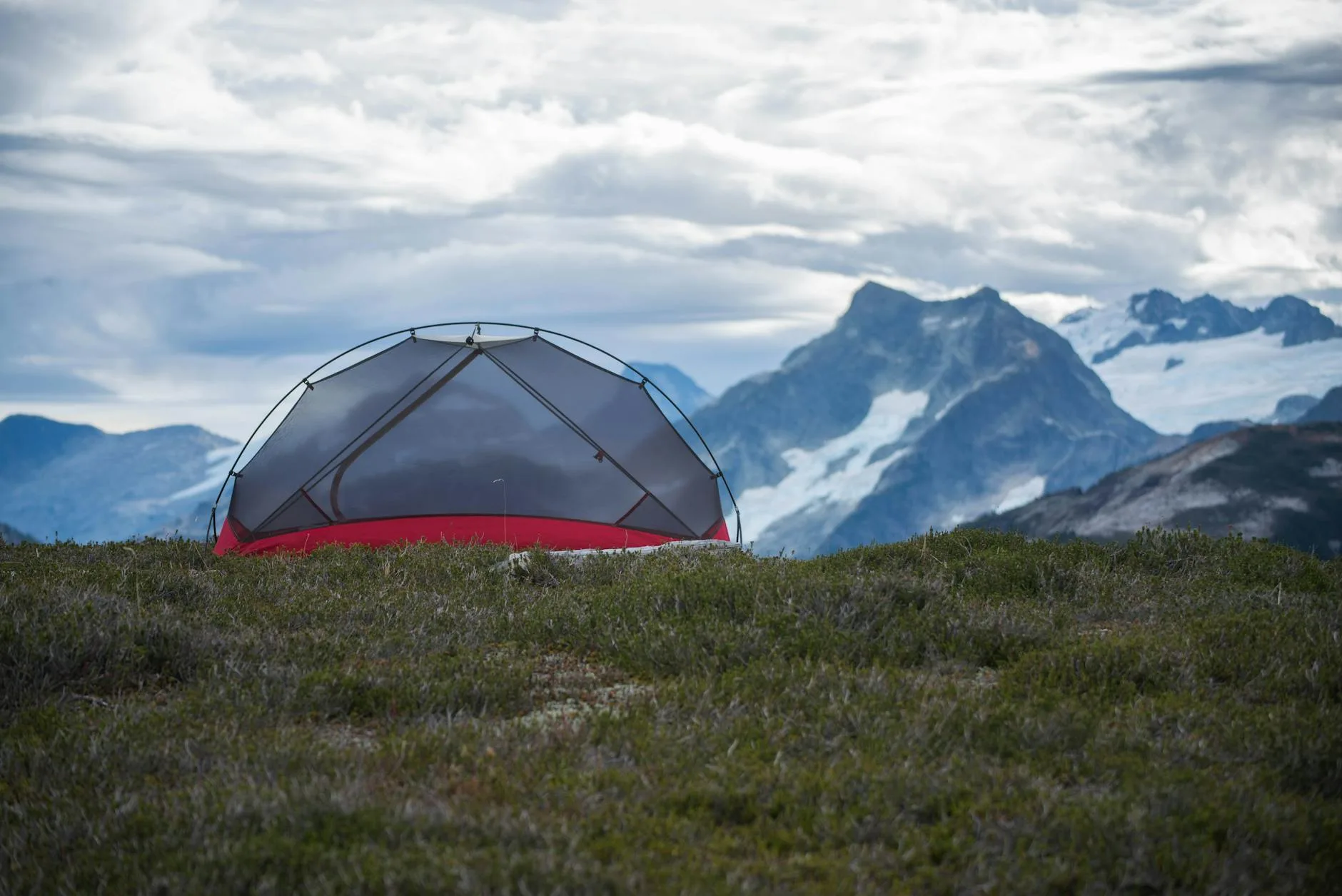
The lightest shelters use your trekking poles for structure instead of carrying dedicated tent poles. Options like the Trekkertent Stealth 1 (about £200, 680g) pitch with two trekking poles and provide full weather protection. If you already carry trekking poles for walking, the shelter weight drops sharply because the poles serve double duty.
Tarps go even lighter — a silnylon tarp (300-400g) gives you rain protection with no floor and no bug netting. Fine for UK conditions from October to April when midges aren’t an issue, but a risky choice in the Scottish Highlands during summer without a bug net underneath.
One-Person vs Two-Person
If you hike solo, a one-person tent saves 300-800g over a two-person. If you hike with a partner, splitting a two-person tent between you (one carries the inner, one carries the outer) gives you a lighter per-person weight than carrying separate one-person shelters.
Bivvy Bags
The absolute lightest option — a waterproof bivvy bag (200-500g) is essentially a sleeping bag cover. No pitching, no poles, no fuss. The trade-off is significant: condensation builds up inside because there’s no ventilation space, and you’re fully exposed to wind and rain on your face. Best for fair-weather adventures or as an emergency backup rather than a primary shelter.
Weight Comparison
For reference, here’s what different UK-appropriate shelter options weigh:
- Vango Nevis 100 (budget one-person tent): 2.3kg
- MSR Hubba NX 1 (mid-range one-person tent): 1.12kg
- Trekkertent Stealth 1 (UL trekking pole tent): 680g
- Alpkit Hunka XL (bivvy bag): 440g
- Silnylon flat tarp: 300-400g
How to Cut Sleep System Weight
Sleeping Bags: Down vs Synthetic
Down bags offer the best warmth-to-weight ratio by a significant margin. A three-season down bag weighs 600-900g; the synthetic equivalent weighs 1.2-1.6kg for the same warmth rating. The downside is cost (good down bags start at £150-200) and performance when wet (down clumps and loses insulation, synthetic doesn’t).
For UK conditions, hydrophobic-treated down (offered by brands like Rab, Alpkit, and PHD) splits the difference — it resists moisture better than untreated down while keeping the weight advantage. The British Mountaineering Council (BMC) recommends down for weight-conscious hillwalkers as long as you keep it dry with a waterproof stuff sack.
Sleeping Pads: Air vs Foam
An inflatable pad like the Therm-a-Rest NeoAir XLite (354g, R-value 4.2) weighs half what a full-length foam pad does and insulates better. The trade-off is puncture risk — carry a small patch kit (5g) and you’re covered.
For ultralight purists, a trimmed foam pad (cutting the length to torso-only and using your pack under your feet) saves another 100-200g. It’s not comfortable in the traditional sense, but it never punctures and adds about 2cm of insulation from the ground. For a related angle, see our Best Tents 2026: Family, Backpacking & Wild Camping UK guide.
Quilts vs Sleeping Bags
A quilt is a sleeping bag with no hood, no zip, and no back panel — the idea being that the compressed insulation underneath you provides zero warmth anyway (your sleeping pad does that job). Quilts weigh 200-400g less than equivalent bags and pack smaller. The trade-off is drafts — if you move a lot in your sleep, cold air sneaks in at the edges.
Brands like Cumulus (Polish, excellent value) and Enlightened Equipment (US, ships to UK) make quilts specifically for ultralight hiking.
How to Cut Pack Weight
Frameless Packs
Traditional backpacks have internal frames, hip belts, and padding that add 1-2kg of structure. Frameless packs ditch all of that — they’re essentially bags with shoulder straps. When the pack is light enough (base weight under 5kg), you don’t need a frame to carry it comfortably.
The catch: frameless packs only work if your kit is light enough. Loading 12kg into a frameless pack is miserable. Get your base weight under 5-6kg first, then consider going frameless.
Popular UK Options
- Osprey Exos 58 (framed, 1.15kg) — the popular middle ground. Light enough for most lightweight hikers without requiring a full ultralight kit
- Granite Gear Crown2 38 (lightly framed, 820g) — great for UL packs, just enough structure to be comfortable
- Gossamer Gear Mariposa 60 (frameless with removable frame, 737g) — the classic ultralight choice, available from UK retailers like Ultralight Outdoor Gear
- OMM Classic 32 (frameless, 390g) — British-made, designed for fell running and fast hiking. Minimalist to the extreme
Volume Considerations
Lighter gear packs smaller. As your base weight drops, you need less pack volume — a 40-litre frameless pack holds an ultralight kit with room to spare, where the same gear in traditional form would need 65+ litres. Don’t buy the pack first; get the lighter gear, then choose the smallest pack that fits everything.
Clothing and Layers for Lighter Packing
The Merino Wool Base Layer Trick
A merino wool base layer can be worn for 3-5 days without smelling terrible. Seriously. Merino’s natural antimicrobial properties mean you can carry one base layer for a multi-day trip instead of packing a fresh one for each day. One quality merino base layer at 180g-weight handles most UK three-season conditions.
Rain Gear: Hardshell vs Wind Shirt
A full Gore-Tex hardshell weighs 300-500g. A lightweight wind shirt (100-150g) blocks wind and light rain, breathes far better, and handles 80% of UK weather conditions. The 20% when you need proper waterproofing — sustained heavy rain — is when the hardshell earns its weight.
The ultralight compromise: carry a wind shirt for daily use and a packable emergency waterproof (like the Montane Minimus Nano, 106g) for genuine downpours.
What to Leave Behind
The biggest clothing weight savings come from not packing items, not from buying lighter versions:
- Second pair of trousers — wear one, wash if needed, accept they’ll get dirty
- Cotton anything — cotton holds moisture, weighs more when wet, and takes ages to dry. Synthetic or merino everything
- Camp shoes — your hiking boots are your camp shoes. Ultralight foam flip-flops (50g) if you absolutely must
- Multiple mid-layers — one fleece or insulated jacket is enough for three-season UK hiking. Layer your waterproof over it for warmth
Cooking and Water: Going Minimal
The Cold Soak Method
The most radical weight cut: ditch the stove entirely. Cold soaking involves putting dehydrated food (couscous, instant noodles, porridge oats) in a jar with cold water and waiting 20-60 minutes. No stove, no fuel, no pot — saves 300-500g of cooking kit.
It sounds grim, and some meals genuinely are. But cold-soaked couscous with tuna is perfectly edible, overnight oats are good, and you’ve just eliminated the heaviest single accessory category from your pack.
Alcohol Stoves
If you can’t face a cold supper, a DIY alcohol stove made from a tin can weighs 20-30g and burns methylated spirits (available from any Halfords or hardware shop). Boiling 500ml of water takes about 5 minutes and 30ml of fuel. The trade-off: it’s slow, can’t simmer, and is prohibited in some dry conditions. Our Best Ultralight Tents 2026 UK: Under 2kg guide is useful alongside this.
Gas Stoves Going Light
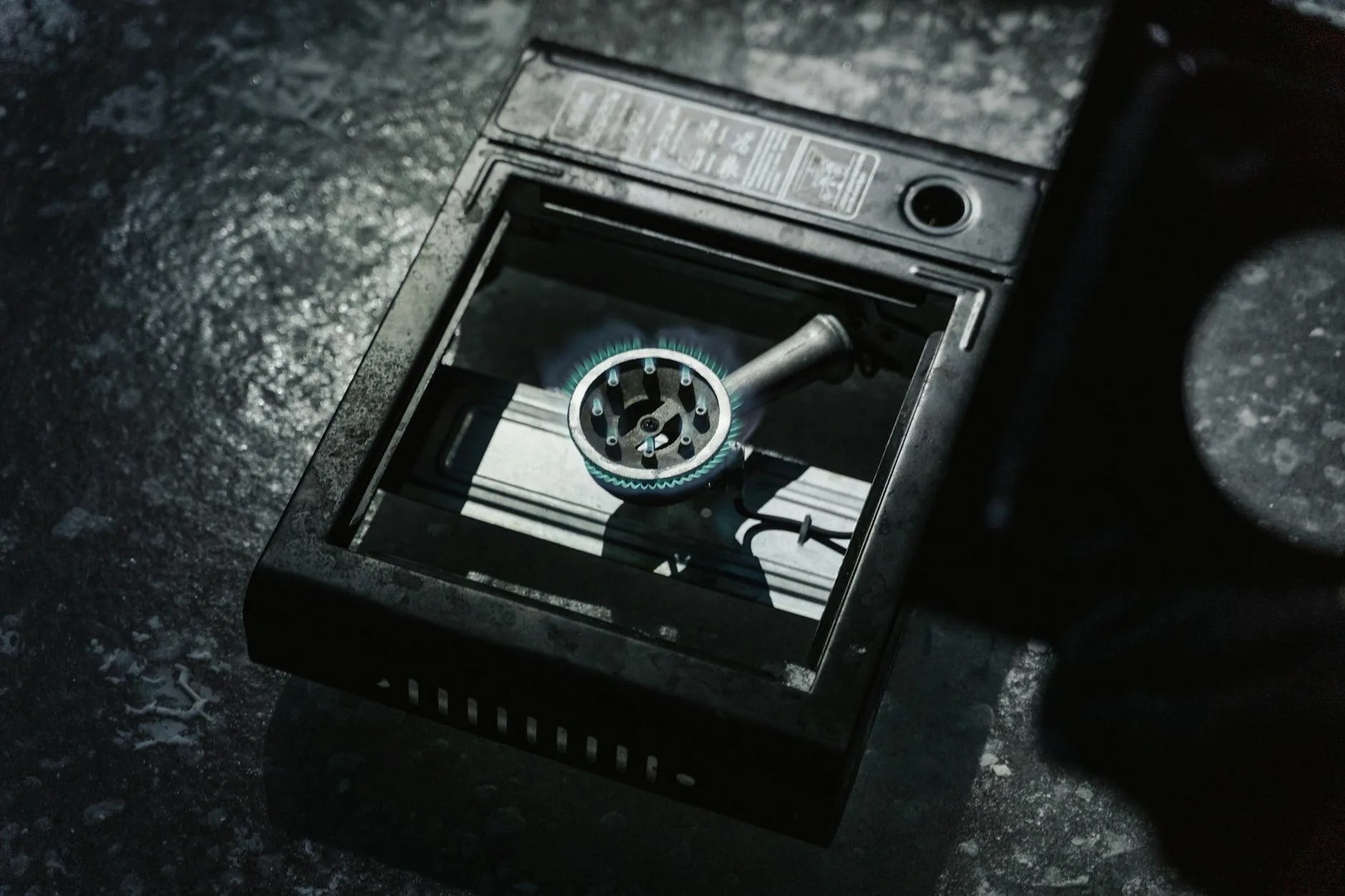
If you want a proper stove, the lightest gas options weigh under 60g. The BRS 3000-T (25g, about £8 from Amazon UK) is the ultralight community’s default — absurdly light, cheap, and does the one thing it needs to do: boil water.
Water Treatment
Carrying a portable water filter adds 60-200g depending on the type. Chlorine dioxide tablets (Aquamira or Katadyn Micropur, about 30g for a trip’s supply) are lighter but require 30 minutes to work. In the UK, water sources are generally clean enough that chemical treatment is sufficient — full filtration is more of a peace-of-mind item.
The “Everything Else” Problem
Where Small Items Add Up
The insidious thing about pack weight is the accumulation of small items that individually seem trivial:
- Head torch: 90g (standard) vs 30g (ultralight Nitecore NU25)
- First aid kit: 300g (overpacked) vs 80g (trimmed to essentials)
- Toiletries: 200g+ (full-size everything) vs 50g (decanted into small bottles, shared items only)
- Knife: 150g (folding knife) vs 15g (small razor blade in cardboard sleeve)
- Phone charger/battery bank: 200g (10,000mAh) vs 70g (5,000mAh, enough for 2-3 days)
- Stuff sacks: 50-100g total vs 0g (use your pack’s compartments and plastic bags)
Individually, optimising each of these saves 30-200g. Across 15-20 small items, that’s easily 1-2kg. Not as dramatic as upgrading your tent, but it adds up.
The Scales Don’t Lie
Weigh everything. Literally everything — every item that goes in or on your pack. Most ultralight hikers use a kitchen scale accurate to 1g. Create a spreadsheet or use an app like LighterPack (free, web-based) to track your kit list. When you can see that your toiletry bag weighs 230g, you’re motivated to cut it to 60g. When you can’t see the numbers, you’ll convince yourself everything is “about the same weight.”
A Realistic UK Ultralight Kit List
Here’s a three-season (April to October) kit list for UK hillwalking that comes in under 4.5kg base weight:
Shelter (780g)
- Trekkertent Stealth 1: 680g
- Groundsheet (Tyvek, cut to size): 100g
Sleep System (900g)
- Cumulus Quilt 350: 600g
- Therm-a-Rest NeoAir XLite (short): 250g
- Stuff sack/pillow (fleece, stuffed with clothes): 50g
Pack (750g)
- Gossamer Gear Mariposa 60: 737g
- Pack liner (Nyloflume bag): 13g
Cooking (200g)
- BRS 3000-T stove: 25g
- Titanium 550ml pot: 80g
- Gas canister cradle: 10g
- Long spoon: 15g
- Small lighter: 10g
- 100g gas canister: 60g (consumable, but listed for completeness)
Clothing — Worn
- Merino base layer (top): 180g
- Hiking trousers: 250g
- Trail runners: 650g
- Underwear & socks: 80g
Clothing — Packed (600g)
- Insulated jacket (Cumulus Primelite): 280g
- Wind shirt: 120g
- Waterproof jacket (Montane Minimus Nano): 106g
- Spare socks: 50g
- Sleep base layer (lightweight): 120g
Accessories (400g)
- Trekking poles (carried, not packed): 380g
- Head torch: 30g
- First aid kit (trimmed): 80g
- Phone + charger: 250g
- Toiletries (minimal): 50g
- Map/compass: 60g
Base Weight Total: ~3,630g (3.63kg)
That leaves nearly a kilo of margin before hitting the 4.5kg ultralight threshold — room for personal items, a book, or a slightly heavier shelter if conditions warrant it.
Common Weight-Cutting Mistakes
Cutting Safety Gear
Never cut your first aid kit to zero, skip a map and compass for phone-only navigation, or leave waterproofs behind because the forecast looks clear. UK mountain weather changes in minutes. The weight of safety gear is non-negotiable — trim it, but don’t eliminate it.
Buying Before Trying
Don’t spend £600 on a full ultralight kit before testing whether you enjoy minimalist hiking. Start by leaving heavy items at home on a shorter walk and see how the lighter load feels. You might love it. You might hate not having camp shoes and a pillow.
Ignoring Worn Weight
Some hikers obsess over pack weight but wear heavy leather boots (1.5kg+) without questioning them. Trail runners (500-700g per pair) are suitable for most UK hillwalking in three-season conditions and save nearly a kilo compared to traditional boots. Not everyone is comfortable making that switch, but it’s worth considering. The Mountain Training organisation notes that footwear choice should match conditions and terrain rather than following tradition.
Going Too Light Too Fast
Replacing your 2.5kg tent with a 300g tarp requires a different skill set — pitching in wind, managing condensation, dealing with no floor. Build up gradually. Go lightweight first (framed pack, lighter tent, better sleeping bag) before jumping to ultralight (frameless pack, tarp, quilt).
When Ultralight Goes Too Far
Comfort Has Value
A 300g pillow might seem wasteful until you’ve slept without one for five nights and arrived home with a stiff neck that takes a week to recover. An extra 200g of sleeping bag warmth means the difference between sleeping well and shivering until dawn. There’s a point where saving weight costs more in misery than it gains in mobility.
UK-Specific Considerations
The UK isn’t the Pacific Crest Trail. Our weather is wetter, windier, and more changeable than most other popular hiking destinations. A tarp that works fine in California might leave you soaked and hypothermic on the Pennine Way in October. Factor in realistic UK conditions when making gear choices — the lightest option isn’t always the right option for British hills.
The Diminishing Returns Problem
Going from 14kg to 9kg base weight is easy and free (just leave stuff at home). Going from 9kg to 5kg costs moderate money and requires some gear upgrades. Going from 5kg to 3kg costs serious money and demands real trade-offs in comfort and weather protection. Know where your personal sweet spot is and stop there.
Frequently Asked Questions
Can I go ultralight in the UK without spending a fortune? You can get to lightweight (under 9kg base weight) almost for free by leaving unnecessary items at home and packing more carefully. Getting to true ultralight (under 4.5kg) requires upgrading the big three — shelter, sleep system, and pack — which typically costs £400-800 total. Buy second-hand from forums like Backpacking Light UK and the UL Gear Trade Facebook group to halve those costs.
Are trail runners safe for UK hillwalking? For most three-season conditions on established paths, yes. They’re lighter, drain faster when wet, and dry quicker than leather boots. For winter walking, scrambling on rocky terrain, or carrying heavy loads (over 10kg), boots still make more sense. The BMC and many experienced UK hillwalkers have shifted to trail runners for summer hiking.
Do I need a stove for UK backpacking? No — cold soaking and no-cook options work fine in summer. In autumn and winter, a hot meal and drink at the end of the day makes a big difference to morale and body temperature. Most ultralight UK hikers carry a minimal stove for three-season use and may skip it on shorter warm-weather trips.
What’s the lightest tent suitable for UK rain? The Trekkertent Stealth 1 (680g) handles UK weather well and is made in the UK. The Tarptent Notch Li (580g) is even lighter but ships from the US. Both are fully enclosed with bathtub floors and can handle sustained rain and wind. Below 500g, you’re looking at tarps, which require more skill and experience.
How heavy should my base weight be as a beginner? Aim for under 9kg as a first target — that’s the lightweight category and makes a noticeable difference to how you feel on the trail. Getting there usually means ditching unnecessary items rather than buying new gear. Once you’ve hiked with a lighter pack and want to go further, upgrade the big three to reach the 4.5kg ultralight threshold.