You’ve spent an hour setting up the tent, got the stove going, cracked open a cold one — and now you’re sitting on a chair that’s either cutting off circulation to your legs or slowly sinking into the mud. Camping chairs are one of those bits of kit that people buy as an afterthought, grab the cheapest one at Go Outdoors, and then regret for the rest of the trip. Getting the right balance of weight, comfort, and packability makes the difference between a chair you tolerate and one you actually look forward to sitting in.
In This Article
- Why Your Camping Chair Choice Matters More Than You Think
- The Three Types of Camping Chair
- Weight: How Light Do You Actually Need?
- Comfort: What Separates a Good Chair from a Great One
- Packability: Fitting It All In
- Frame Materials: Aluminium vs Steel
- Fabric and Durability
- Seat Height and Why It Matters
- Weight Capacity: Getting the Rating Right
- Features Worth Paying For (and Ones That Aren’t)
- Best Camping Chairs by Use Case
- Caring for Your Camping Chair
- Frequently Asked Questions
Why Your Camping Chair Choice Matters More Than You Think
You spend more time sitting at camp than doing anything else. Think about it — cooking, eating, reading, chatting around the fire, morning coffee, evening drinks. That’s 4-6 hours per day in your chair, easily. A bad chair gives you a sore back, numb thighs, and that constant shifting around trying to get comfortable. After a few days of that on a family camping trip, you’re not relaxed — you’re stiff and grumpy.
The good news is that camping chair design has come on massively in the last five years. Lightweight alloy frames, breathable mesh panels, and compact packing systems mean you no longer have to choose between something comfortable and something that fits in the car. But there are genuine trade-offs between weight, comfort, and packability, and understanding them helps you pick the right chair for how you actually camp.
The Three Types of Camping Chair
Before getting into specifics, it helps to understand the three broad categories. Each has a sweet spot, and your camping style determines which matters most.
Classic Folding Chairs
The traditional camping chair — steel frame, fabric seat, folds flat or collapses into a carry bag. These are what you see at every campsite in the UK, and for good reason: they’re cheap (£10-30), comfortable enough, and require zero thought to set up. Just unfold and sit down.
- Best for: Car camping, family trips, festivals
- Weight: 3-5kg typically
- Packed size: Large — they dominate a car boot
- Comfort: Decent for shorter sits, but cheaper models sag after a year
Compact/Backpacking Chairs
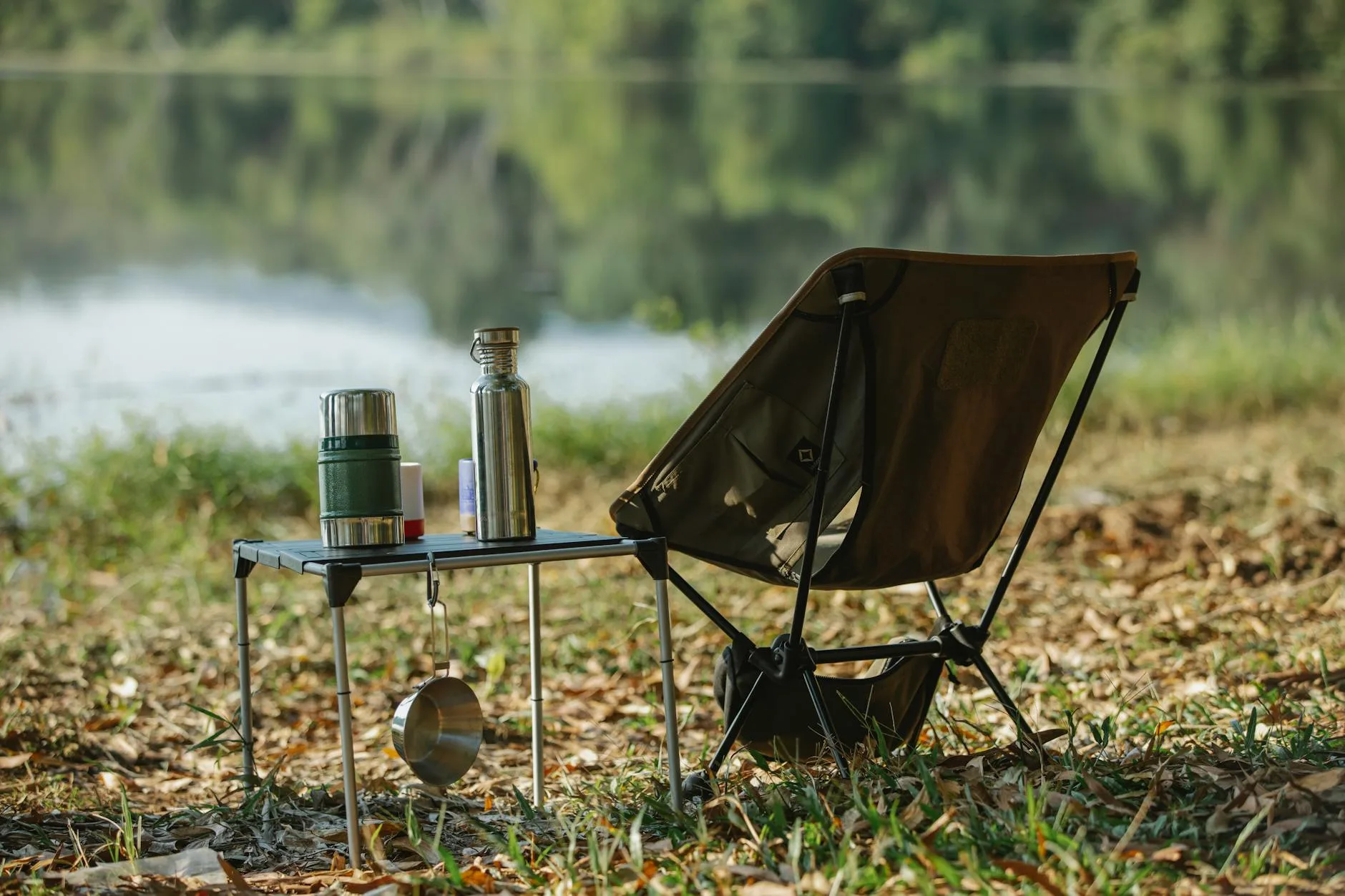
Ultralight chairs designed for hikers and wild campers who carry everything on their back. These use aluminium pole frames with tensioned fabric seats — similar to tent pole construction. The Helinox Chair One pioneered this category and remains the benchmark.
- Best for: Backpacking, bikepacking, wild camping, festivals where you’re walking far from the car
- Weight: 0.5-1.2kg
- Packed size: About the size of a water bottle
- Comfort: Surprisingly good for their weight, though lower to the ground
Padded/Luxury Camp Chairs
Oversized chairs with padding, high backs, sometimes even recline functions. These weigh 5-8kg and pack down to the size of a sleeping bag. They’re not going on anyone’s back, but if comfort is king and you’re driving to a pitch 20 metres away, they’re hard to beat.
- Best for: Extended car camping stays, glamping, semi-permanent setups
- Weight: 5-8kg
- Packed size: Large and heavy
- Comfort: Excellent — some rival garden furniture
Weight: How Light Do You Actually Need?
Weight is the camping gear metric that gets the most attention, but for chairs it’s about context. A through-hiker shaving grams off every item has completely different needs from a family loading a Volvo for a week in the Lakes.
Car Camping (Weight Barely Matters)
If you’re driving to a campsite with a pitch 30 metres from the car, chair weight is irrelevant. A 4kg chair versus a 1kg chair makes zero practical difference when you’re carrying it 30 metres. Prioritise comfort and value instead.
Festival Camping (Moderate Importance)
You’re walking 15-30 minutes from the car park to your pitch, carrying everything. Every kilogram adds up when you’re also hauling a tent, sleeping bag, and enough cans for the weekend. A compact chair under 1.5kg is worth the investment here — your shoulders will thank you by day three.
Backpacking and Wild Camping (Critical)
Every gram matters when it’s on your back for 8+ hours. Sub-1kg chairs exist and they transform morale at camp after a long day on the fells. But they come with comfort compromises — lower seat heights, less back support, and narrower seats. Whether the weight saving is worth it depends on your personal threshold.
I’ve done trips carrying a Helinox Chair Zero (490g) and trips without any chair, and the difference to camp morale is noticeable. After 20km of walking, sitting on the ground to eat dinner feels bleak. Having an actual chair transforms the evening.
Comfort: What Separates a Good Chair from a Great One
Comfort in a camping chair comes down to four factors, and they’re more technical than most people realise.
Seat Height
This is the distance from the ground to the front edge of the seat. It matters because it affects how easy the chair is to get in and out of, and how your knees and hips align.
- Low chairs (20-30cm): Most compact/backpacking chairs. Fine for younger, flexible campers. Anyone with dodgy knees or hip issues will struggle getting up from this height
- Standard height (35-45cm): Classic folding chairs. Matches a regular dining chair. Comfortable for most people for extended sitting
- High chairs (45-55cm): Director-style chairs. Great for older campers or anyone who finds low chairs uncomfortable. The trade-off is weight and bulk
Back Support
A good camping chair supports your lumbar region — the lower curve of your back. Cheap chairs with a straight fabric panel offer zero lumbar support, and after an hour your lower back aches. Better chairs either have a shaped frame that follows the spine’s natural curve or use tensioned mesh that conforms to your body.
Seat Width
Standard camping chairs have a seat width of 48-52cm. That’s fine for average builds, but if you’re broader across the hips, look for wide-seat models (55-60cm). Brands like Alps Mountaineering and GCI Outdoor make oversized options. For a related angle, see our Ultralight Backpacking: How to Cut Your Pack Weight guide.
Armrests
Padded armrests make a surprising difference for long sits. Hard plastic armrests dig into your forearms. Some compact chairs skip armrests entirely to save weight — which is fine for short breaks but uncomfortable for evening lounging.
Packability: Fitting It All In
If you’ve ever tried to play Tetris with a car boot full of camping gear, you know that packed size matters almost as much as weight. A chair that packs into a tube shape is far easier to wedge into gaps than one that folds flat into a wide rectangle.
Packed Shape Categories
- Tube/cylinder: Compact chairs like the Helinox Chair One pack into a cylinder about 35 × 10cm. These slide into any gap and can strap to the outside of a rucksack
- Flat rectangle: Classic folding chairs fold to roughly 80 × 50 × 15cm. They take up a significant chunk of a boot and are awkward to carry
- Hybrid: Some newer designs (like the Robens Settler) fold into a flatter package than a tube but smaller than a classic folder. A reasonable compromise
Practical Packing Tips
- If you’re camping with a family of four, four classic folding chairs will dominate a third of your boot space. Consider two classic chairs for the adults and two compact chairs for the kids
- Chairs with a carry bag that compresses should have the bag attached to the chair with a loop or clip — otherwise you’ll lose the bag within two trips
- For hiking, chairs that strap to the outside of a pack are better than ones that need to go inside. The Helinox stuff-sack has a loop specifically designed for this
If you’re still sorting out the rest of your camping setup, our guide to choosing a campsite in the UK helps you pick the right type of site for your needs.
Frame Materials: Aluminium vs Steel
The frame determines the chair’s weight, strength, durability, and price. It’s a simple choice between two materials for most camping chairs.
Aluminium (Alloy)
Used in all compact/backpacking chairs and some premium folding chairs. Aluminium is roughly 65% lighter than steel at equivalent strength, and it doesn’t rust — a significant advantage for kit that gets wet regularly.
- Typical weight contribution: 400-800g for a compact chair frame
- Durability: Good, but thin aluminium poles can bend under excessive force. Don’t lean back on two legs
- Price premium: £20-40 more than equivalent steel designs
- Best brands: Helinox uses DAC aluminium poles (the same company that makes high-end tent poles), which are among the strongest in the industry
Steel
The standard for classic folding chairs and padded luxury chairs. Heavier but cheaper, and the extra weight provides stability — a steel-framed chair is less likely to blow over in wind or tip when you lean sideways.
- Typical weight contribution: 2-4kg for a folding chair frame
- Durability: Excellent if the steel is powder-coated to prevent rust. Check for exposed metal at joints — that’s where corrosion starts
- Price: Budget-friendly. Steel-framed chairs start at £10 from Argos or Decathlon
The British Standards Institution (BSI) provides safety standards for outdoor furniture including weight capacity testing, so look for chairs that reference BS EN 581 compliance if durability is a concern.
Fabric and Durability
The seat fabric takes all the punishment — UV exposure, body weight, damp, dirt, and the occasional ember from the fire. Material choice affects comfort, breathability, and how long the chair lasts.
Polyester (Most Common)
The standard fabric for camping chairs at every price point. 600D polyester is the most common spec and offers a good balance of strength, weight, and weather resistance.
- Pros: Cheap, dries quickly, reasonable UV resistance
- Cons: Can feel clammy in heat without mesh panels, stretches over time on cheap chairs
- Lifespan: 2-4 years of regular use before sagging becomes noticeable
Ripstop Nylon
Used on lightweight and backpacking chairs. Stronger than polyester at equivalent weight and has a grid pattern woven in that prevents tears from spreading.
- Pros: Very light, strong, excellent tear resistance
- Cons: More expensive, can feel slippery, less UV resistant than polyester
- Lifespan: 3-5 years if stored out of direct sunlight between trips
Mesh Panels
Some chairs incorporate mesh sections for breathability — typically across the back panel or seat base. These make a genuine difference in summer when a solid fabric chair leaves you sweating. The trade-off is slightly reduced warmth retention in cooler weather, but that’s rarely an issue in the UK where you’ll have a fleece on by 7pm anyway.
Seat Height and Why It Matters
I’ve already mentioned seat height under comfort, but it deserves its own section because it’s the single biggest factor in whether you’ll be happy with a chair long-term — and it’s the thing most people overlook.
The Knee-Hip Angle
When seated, your thighs should be roughly parallel to the ground or angled slightly downward (knees at or below hip level). If your knees are higher than your hips — common in low-profile chairs — blood flow to your lower legs is restricted, your hip flexors tighten, and getting up requires upper body strength. For a 25-year-old, that’s fine. For anyone over 50 or with joint issues, it’s a dealbreaker. Our Best Sleeping Bags 2026 UK: 3-Season & Winter Tested guide is useful alongside this.
Testing Before Buying
If possible, sit in the chair for 5 minutes before buying. Don’t just check the seat height on paper — test how it feels with your proportions. A 30cm seat height works for someone who’s 170cm tall but can feel comically low for someone who’s 190cm. Decathlon, Go Outdoors, and Cotswold Outdoor all have display models you can try.
Weight Capacity: Getting the Rating Right
Every camping chair has a rated weight capacity, and it’s worth checking — not because you’re worried about the chair collapsing (though that’s a risk with cheap imports), but because chairs perform best when loaded to 60-80% of their capacity. At max capacity, frames flex, fabric stretches, and comfort degrades.
Typical Ratings
- Compact/backpacking chairs: 100-120kg. These are engineered for weight savings, and the frames are proportionally lighter. Going over the rating risks bent poles
- Classic folding chairs: 100-150kg. Standard range that covers most adults comfortably
- Heavy-duty chairs: 150-200kg+. Reinforced frames and wider seats. Brands like Kampa and Trespass offer heavy-duty models from £30-50
A Practical Rule
If you weigh 90kg, buy a chair rated to at least 120kg. That 30kg buffer prevents premature fabric stretching and frame fatigue, and it gives the chair a much longer usable life.
Features Worth Paying For (and Ones That Aren’t)
Worth It
- Cup holder: Sounds trivial, but not having one means your drink lives on the ground where it gets kicked over. A built-in cup holder on the armrest costs nothing extra and saves constant frustration
- Side pocket: A small pocket on the armrest for your phone and keys. Saves you sitting on them or losing them in the grass
- Adjustable legs/feet: Large, flat feet or adjustable-angle feet prevent sinking into soft ground. Particularly valuable on UK campsites after rain
- Carry strap rather than bag: A shoulder strap attached to the chair means you can’t lose the bag and carrying is easier than a loose stuff sack
Not Worth It
- Built-in canopy/sunshade: Heavy, fiddly, and you’re camping in the UK — if it’s sunny enough to need a canopy, move the chair into shade. These add 1-2kg and rarely work well
- Footrest attachment: Nice in theory, but they change the chair’s centre of gravity and make it more likely to tip. A separate footstool is more stable
- Reclining mechanism: Adds weight, complexity, and failure points. Most camping recliners don’t lock in position — you either sit upright or lie flat with nothing in between
Best Camping Chairs by Use Case
Rather than ranking every chair on the market, here are my picks for the three main camping styles. These are based on chairs I’ve used personally or that have strong consensus in the UK camping community.
Best for Car Camping: Vango Malibu (About £35)
A padded folding chair with a steel frame, high back, and padded armrests. It weighs 4.5kg, which is irrelevant for car camping, and the seat height of 43cm is comfortable for most people. The padding makes multi-hour evening sits genuinely pleasant. Available from Go Outdoors, Decathlon, and Amazon UK.
Best Lightweight Option: Helinox Chair One (About £100)
The gold standard for compact camping chairs. Weighs 960g, packs to 35 × 10cm, and sets up in under a minute using shock-corded aluminium poles. The seat height is lower (35cm) but the ergonomics are good — the seat conforms to your body rather than fighting it. Not cheap, but it’s the chair I reach for every trip when weight matters. Our camping cooking gear guide covers other lightweight kit that pairs well with compact chairs for a streamlined setup.
Best Budget Pick: Decathlon Quechua MH500 (About £25)
Decathlon punch well above their weight in camping gear, and this folding chair is a good example. Steel frame, 100kg capacity, cup holder, and a carry bag, all for £25. It’s not going to last a decade of heavy use, but for weekend camping and festival trips it’s excellent value. Available in-store at any Decathlon in the UK.
Best for Bad Backs: Coleman Deck Chair (About £45)
Higher seat (48cm), padded seat and back, and a recline lock that actually works at two angles. Heavier at 5.5kg but the ergonomics are noticeably better than standard folding chairs. If you’ve got lower back issues or just want something closer to proper furniture comfort, this is the one.
Best Ultralight: Helinox Chair Zero (About £120)
For weight obsessives: 490g. That’s lighter than some water bottles. Packs to 30 × 10cm. The trade-off is a lower seat (28cm), less back support, and a 120kg weight limit. But if you’re through-hiking and every gram matters, nothing else comes close.
For more guidance on building a complete camping kit, check our guide to the best tents for UK camping in 2026.
Caring for Your Camping Chair
A bit of basic maintenance extends a camping chair’s life from 2-3 years to 5+ years. Most of this is common sense, but people skip it.
After Every Trip
- Brush off dirt and debris before packing away
- If the fabric is damp, air-dry it completely before storing — leaving it packed damp causes mildew and that musty camping smell you can never quite shift
- Check joints and hinges for grit or sand that could cause wear
Seasonal Maintenance
- Wash the fabric with warm soapy water and a sponge once or twice per season
- Spray metal joints with WD-40 or a silicone lubricant
- Check for fraying fabric around stress points (seat front edge, armrest attachment points)
- For aluminium pole chairs, check the shock cord tension — if poles are loose, the elastic may need replacing (Helinox sell replacement kits)
Storage
Keep chairs somewhere dry and out of direct sunlight. UV degrades both polyester and nylon over time. A shed or garage is fine; a damp outhouse isn’t. If storing for winter, leave them slightly unfolded rather than compressed — constant compression weakens foam padding and fabric.
Frequently Asked Questions
What weight should I look for in a camping chair? For car camping, weight barely matters — prioritise comfort. For festivals where you’re walking from the car, aim for under 2kg. For backpacking and wild camping, sub-1kg chairs like the Helinox Chair Zero (490g) make a real difference to pack weight.
Are expensive camping chairs worth the money? At the lightweight end, yes — the engineering required to make a sub-1kg chair that’s still comfortable commands a premium. For standard folding chairs, diminishing returns kick in above £40-50. A £35 Vango Malibu performs close to chairs costing twice as much.
Can camping chairs be used on soft ground without sinking? Most chairs sink somewhat on wet or soft ground. Look for models with wide, flat feet or buy aftermarket “chair feet” (disc-shaped attachments that spread the load). Some brands like Big Agnes include these as standard. Alternatively, place a flat stone or piece of wood under each leg.
How do I stop my camping chair from rusting? Choose an aluminium-framed chair if you camp frequently in wet conditions — aluminium doesn’t rust. For steel-framed chairs, dry them thoroughly before storing and spray joints with silicone lubricant once or twice per season. Avoid leaving them out overnight in dew.
What’s the most comfortable camping chair for bad backs? Look for a higher seat height (45cm+) so you’re not struggling to get up, good lumbar support from a shaped backrest, and padded armrests. The Coleman Deck Chair (about £45) and Vango Malibu (about £35) both score well for back comfort at reasonable prices.