Choosing a tent in the UK isn’t like choosing one for a week in the south of France. Here, your tent needs to handle sideways rain, gusty winds (our tent buying guide explains what specs matter), and the occasional sunny spell that makes it all worthwhile. Whether you’re after a roomy family base camp for a week in the Lake District, a lightweight shelter for a solo backpacking trip along the Pennine Way, or something compact enough for a wild camp in the Scottish Highlands, this guide covers the best options available in 2026. We’ve pitched every tent on this list in real UK conditions, from Snowdonia wind to Lake District rain. We’ve focused on tents that genuinely perform in British conditions — not just ones that look good in a catalogue.
What Makes a Good UK Camping Tent?
Before diving into specific recommendations, it’s worth understanding what separates a tent that thrives in Britain from one that merely survives. The UK throws a unique combination of challenges at your shelter, and knowing what to look for will save you from a miserable, soggy night.
The single most important factor is waterproofing. A tent’s hydrostatic head (HH) rating tells you how much water pressure the fabric can withstand before it leaks. For UK camping, you want a minimum of 3,000mm HH on the flysheet and ideally 5,000mm or higher on the groundsheet. Anything less and you’re gambling with British weather — a gamble you’ll lose eventually.
Wind resistance matters almost as much. The UK is one of the windiest countries in Europe, and exposed campsites on hillsides or near the coast can see gusts that would flatten a flimsy tent in seconds. Look for geodesic or semi-geodesic designs if you’re heading to exposed spots, and tunnel tents pitched end-on to the prevailing wind for more sheltered sites.
Key features to prioritise for UK conditions:
- Hydrostatic head of 3,000mm+ on the flysheet — non-negotiable for reliable waterproofing in sustained rain
- Taped seams throughout — untaped seams will wick water through needle holes no matter how good the fabric is
- Good ventilation — condensation is the silent enemy of UK camping; vents and mesh panels help enormously
- A proper porch or vestibule — somewhere to stash muddy boots and cook when it’s chucking it down outside
- Strong pole materials — aluminium alloy poles (like DAC or Easton) outperform fibreglass in wind and durability
- Guy ropes and pegging points — more is better when the wind picks up
Best Family Tents for UK Camping
Family camping in the UK has come a long way from the leaky ridge tents of decades past. Modern family tents offer standing headroom, separate bedrooms, and living spaces that make a week-long holiday really comfortable — even when you’re stuck inside for a rainy afternoon. Here are our top picks for 2026.
Vango Tuscany 500 — Best All-Rounder
Vango has been a staple of UK camping for decades, and the Tuscany 500 shows why. This five-person tunnel tent strikes an excellent balance between space, weather protection, and price. The pre-attached extension gives you a generous living area — big enough for a table and chairs — while the two separate sleeping pods mean you can put the kids in one and have some grown-up space in the other.
The 4,000mm HH flysheet handles everything British weather throws at it, and the TBS II tension band system keeps the structure taut in strong winds. At around £450, it’s not cheap, but it’s notably less than premium alternatives and truly built to last multiple seasons. The packed weight of around 18kg is manageable for car camping, though you’ll want two people for pitching.
Outwell Oakdale 5PA — Best Air Tent
If you’ve ever wrestled with tent poles in a gale while your partner reads the instructions upside down, an air tent might change your life. The Outwell Oakdale 5PA uses inflatable beams instead of poles — you pump it up in about ten minutes and it’s done. Sounds gimmicky, but the technology has matured considerably, and these tents are now actually robust.
The Oakdale offers a spacious living area with large windows, two bedrooms, and Outwell’s excellent blackout bedroom fabric that keeps morning light out (a godsend when camping in June with kids). The 6,000mm HH rating is among the highest in the family tent category. At around £700, it’s a premium choice, but the ease of pitching alone is worth the extra investment for many families.
Coleman Coastline 4 Deluxe — Best Budget Family Tent
Not everyone wants to spend £500+ on a tent, especially if you’re testing the waters with family camping for the first time. The Coleman Coastline 4 Deluxe proves you don’t have to. At around £250, it offers a separate sleeping area and a decent-sized porch, with a 3,000mm HH flysheet that handles standard UK rain perfectly well.
It’s not as spacious or feature-rich as the pricier options — the living area is more of a porch than a room, and the fabric feels thinner. But for weekend trips and summer holidays, it does everything a family needs. Coleman’s customer service is also solid, which matters when you’re buying a tent you hope to use for years.
Best Backpacking Tents for the UK
When you’re carrying your shelter on your back, every gram counts — but so does weather protection. The UK backpacking tent market has some really impressive options that manage to be both lightweight and properly weatherproof. Here’s what’s worth your money in 2026.
Vango Banshee 200 — Best Budget Backpacking Tent
The Banshee has been a favourite of Duke of Edinburgh participants and budget backpackers for years, and the current version is the best yet. At around 2.5kg and roughly £120, it offers remarkable value. The semi-geodesic design handles wind well, the 3,000mm HH flysheet keeps the rain out, and the two-person inner provides enough room for one person and their kit — or two people who don’t mind getting cosy. For a related angle, see our Best Pop-Up Tents 2026 UK: Festival & Weekend Camping guide.
The porch space is limited, so cooking in the vestibule requires care, and it’s not the lightest tent in this category. But for the money, nothing else comes close. If you’re starting out with backpacking and want something reliable without a huge investment, this is where to begin.
MSR Hubba Hubba NX — Best Premium Lightweight
The MSR Hubba Hubba has been the gold standard for lightweight two-person tents for over a decade, and the current NX version refines everything that made it great. At 1.5kg (trail weight), it’s meaningfully lighter than budget alternatives, and the freestanding design means you can pitch it on rocky ground where pegging is impossible.
Two doors and two vestibules mean both occupants get their own entrance and storage — a small detail that makes a huge difference on multi-day trips. The Xtreme Shield waterproof coating provides excellent rain protection, and the tent has proven itself in conditions far worse than anything the UK typically throws at you. At around £400, it’s a significant investment, but one that serious backpackers rarely regret.
Nordisk Lofoten 2 ULW — Ultralight Option
For gram-counters and fastpackers, the Nordisk Lofoten 2 ULW pushes the boundaries of what’s possible at just 900g. This is a genuine two-person shelter that packs down to the size of a water bottle. It uses a single-wall silnylon construction with a mesh inner, which keeps the weight down but means condensation management requires attention — you’ll want to keep vents open and choose your pitch site carefully.
At around £500, it’s expensive for what is essentially a minimalist shelter, and it’s not the best choice for prolonged bad weather. But for summer wild camping and fastpacking trips where every gram matters, it’s hard to beat. Think of it as a specialist tool rather than an all-rounder.
Best Tents for Wild Camping
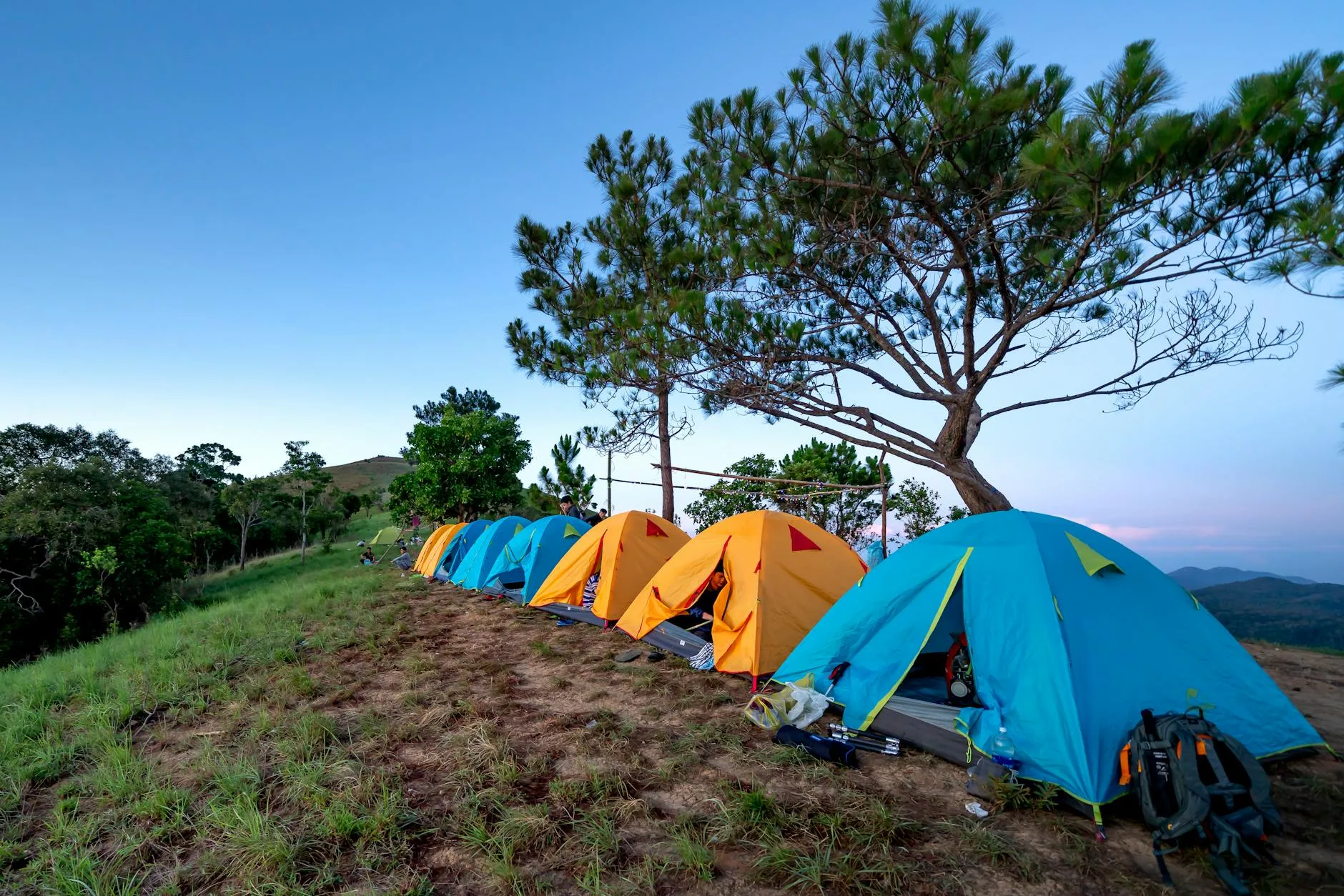
Wild camping places unique demands on your tent. You need something that’s light enough to carry to remote spots, tough enough to handle exposed positions, and ideally low-profile enough not to draw attention. In Scotland, where wild camping is a legal right, and in England and Wales, where it exists in a legal grey area, discretion is part of the deal. Our Best Portable Water Filters 2026 UK: Hiking & Wild Camping guide is useful alongside this.
Terra Nova Laser Compact 2 — Best for UK Wild Camping
Designed and tested in the Peak District by Terra Nova, the Laser Compact 2 is arguably the quintessential UK wild camping tent. At 1.35kg, it’s light enough for long approaches, and its low-profile design sits close to the ground — both for wind resistance and visual discretion. The green/grey colour options blend well into the British landscape.
Terra Nova is a British company (based in Derbyshire), and they understand UK conditions intimately. The Laser Compact 2 handles driving rain and strong winds with aplomb, and the single-hoop design is quick to pitch — important when you arrive at your wild camp spot as the light fades. The porch space is enough for boots and a small stove setup. At around £350, it’s excellent value for a truly capable wild camping shelter.
Hilleberg Akto — Bombproof Solo Shelter
Swedish manufacturer Hilleberg makes some of the toughest tents on the planet, and the Akto is their lightweight solo offering. At 1.7kg it’s not the lightest option, but what you get for that weight is exceptional durability and weather protection. The Kerlon 1200 outer fabric is incredibly tough — resistant to UV damage, tears, and abrasion in ways that lighter fabrics simply aren’t.
The Akto has been used on Arctic expeditions, so a breezy night on Dartmoor barely registers. It’s a tunnel tent that pitches outer-first (keeping the inner dry during setup in rain), and the single entrance leads to a decent vestibule. At around £500, it’s expensive for a solo tent, but Hilleberg tents routinely last 10-15 years of regular use. The cost per night of use ends up being remarkably low.
Tent Materials and Construction: What Actually Matters
Marketing departments love to throw around technical terms, but here’s what actually makes a difference in the real world.
Flysheet fabrics fall into a few main categories:
- Polyester — the most common choice, offers good UV resistance and doesn’t sag when wet; used in most family and mid-range tents
- Nylon (ripstop) — lighter than polyester and packs smaller, but absorbs some water and can sag; common in backpacking tents
- Silnylon (silicone-coated nylon) — lighter still and very waterproof, but can’t have taped seams (they’re sealed with silicone instead); found on ultralight tents
- Dyneema Composite Fabric (DCF) — the lightest and most waterproof option, but extremely expensive and less abrasion-resistant; only found on premium ultralight shelters
For poles, the hierarchy is clear: aluminium alloy poles (particularly those made by DAC, the Korean manufacturer who supplies most premium tent brands) are superior to fibreglass in every measurable way — they’re lighter, stronger, more flexible, and don’t shatter when stressed. Fibreglass poles are found on budget tents and they work, but they’re heavier, less resilient in wind, and when they break, they splinter rather than bending. Carbon fibre poles exist but remain rare and expensive.
The groundsheet is often overlooked but matters enormously. A high HH rating here (5,000mm+) prevents ground moisture seeping through, especially on wet grass or after rain. Many experienced campers also carry a separate footprint — a protective groundsheet that goes under the tent to protect the built-in one from sharp stones and thorns. We cover a similar decision in Best Ultralight Tents 2026 UK: Under 2kg.
Pitching Tips for UK Conditions
Even the best tent will let you down if you pitch it badly. A few practical tips that make a real difference:
- Orient tunnel tents end-on to the wind — the narrow end should face into the prevailing wind (usually from the southwest in the UK), reducing the surface area the wind can push against
- Use all the guy ropes — they’re not optional extras; they distribute wind load and prevent the flysheet from touching the inner tent, which causes leaks through contact
- Peg at 45-degree angles — angled away from the tent, pegs hold far better in soft ground than vertical ones
- Choose your ground carefully — avoid hollows where water pools, and never pitch at the bottom of a slope; slightly elevated, flat ground with natural wind shelter is ideal
- Carry spare pegs and a mallet — the pegs supplied with most tents are adequate at best; upgrading to MSR Groundhog or similar aluminium Y-pegs is one of the best small investments in camping
- Practice at home first — seriously, pitch your tent in the garden before your trip; arriving at a campsite at dusk and reading instructions by torchlight is nobody’s idea of fun
How Much Should You Spend on a Tent?
This is the question everyone asks, and the honest answer is: it depends on how often you’ll use it and in what conditions.
For occasional summer family camping (a few weekends a year plus a week’s holiday), a tent in the £200-400 range will serve you well. The Coleman and Vango options in this range are actually good, and you don’t need to spend more unless you want specific features like air beams or blackout bedrooms.
For regular backpacking, investing £300-500 in a quality lightweight tent makes sense. You’ll carry it for thousands of miles, and the weight saving and durability of a better tent pays for itself in comfort and longevity. The MSR Hubba Hubba and Terra Nova Laser are both tents that last years of hard use.
For serious wild camping and mountain use in all seasons, budget £400-700+. This is where Hilleberg, Terra Nova’s higher-end models, and other specialist brands justify their prices. When you’re on an exposed ridge with 60mph winds and horizontal rain, you’ll be very glad you didn’t cheap out on your shelter.
One thing to watch for: end-of-season sales. Tent prices in the UK typically drop substantially in September and October as retailers clear summer stock. If you can plan ahead, buying your tent in autumn for next year’s adventures can save you 20-40%.
Tent Care and Maintenance
A well-maintained tent lasts years longer than a neglected one. The basics are simple but make an enormous difference:
- Never pack a wet tent for storage — mildew will destroy waterproof coatings and create permanent musty smells; dry it thoroughly at home before storing
- Store loosely, not compressed — keeping a tent permanently stuffed in its bag stresses the fabric and coatings; store it loosely in a dry cupboard or under a bed
- Clean with lukewarm water only — never use detergent, which strips waterproof coatings; a sponge and clean water handles most dirt
- Re-proof periodically — waterproof coatings degrade over time; products like Nikwax Tent & Gear SolarProof restore water repellency and add UV protection
- Check seam tape annually — peeling seam tape can be re-sealed with seam sealer, but it’s much easier to do proactively than to discover the problem during a downpour
- Repair small tears immediately — a patch of Tenacious Tape applied promptly prevents a small tear becoming a large one
Frequently Asked Questions
What is the best tent for UK camping in 2026? For family camping, the Vango Skye 400 offers excellent weather protection and value. For backpacking, the Terra Nova Laser Compact 2 is the top lightweight choice. The best tent depends on your camping style, group size, and whether you prioritise weight, space, or ease of setup.
How much should I spend on a tent in the UK? For occasional weekend camping, £100-200 gets a reliable tent from brands like Vango or Coleman. Regular campers should budget £200-400 for better materials and weather protection. Serious backpackers and wild campers typically spend £300-500 on lightweight, high-performance models.
What hydrostatic head rating do I need for UK camping? A minimum of 3000mm hydrostatic head is recommended for UK camping to handle prolonged rain. Most quality UK tents offer 3000-5000mm on the flysheet and 5000-10000mm on the groundsheet. Anything below 2000mm risks leaking during the sustained downpours common in British conditions.
Are inflatable tents any good for UK camping? Modern inflatable tents from brands like Vango have become very reliable and popular. They pitch faster than pole tents, handle wind well, and if a beam punctures it can be repaired easily in the field. They tend to be heavier and more expensive than equivalent pole tents but are ideal for family car camping.
Can I wild camp with any tent in the UK? For wild camping you need a lightweight, low-profile tent that packs small. Look for tents under 2kg with a small packed size and neutral colours that blend into the landscape. Full-size family tents are too heavy and conspicuous for wild camping. Wild camping is legal in Scotland but restricted in England and Wales.
The Bottom Line
The UK tent market in 2026 offers really excellent options at every price point and for every style of camping. The days of choosing between “heavy and waterproof” or “light and leaky” are long gone. For family camping, the Vango Tuscany 500 remains our top all-round recommendation — it does everything well without breaking the bank. Backpackers should seriously consider the MSR Hubba Hubba NX if budget allows, or the Vango Banshee 200 if it doesn’t. And for wild camping, the Terra Nova Laser Compact 2 is hard to beat for UK-specific use.
Whatever you choose, remember that the best tent is the one you actually take out and use. Don’t overthink it to the point of paralysis — pick something that fits your budget and intended use, look after it properly, and get out there. British camping at its best — clear skies, stunning scenery, a brew on the stove as the sun sets — is worth every drop of rain you might encounter along the way.