Your sleeping bag is rated to 2°C comfort but you are camping in April and the overnight temperature is forecast at -1°C. You could buy a warmer sleeping bag (£150+), add a hot water bottle (requires boiling water at midnight), or spend £25 on a liner that slips inside your existing bag and adds enough warmth to bridge the gap. Sleeping bag liners are one of those accessories that sound pointless until you use one — then you wonder why you slept without it for years.
In This Article
- What Sleeping Bag Liners Actually Do
- How Much Warmth Do They Add
- Liner Materials Compared
- Our Top Picks for 2026
- Beyond Warmth: The Hygiene Benefit
- When Liners Are Not Worth It
- Using a Liner as Standalone Bedding
- Care and Maintenance
- Frequently Asked Questions
What Sleeping Bag Liners Actually Do
A sleeping bag liner is a lightweight inner layer — essentially a thin sleeping bag that goes inside your main bag. It serves two primary functions: adding thermal insulation and protecting the sleeping bag interior from body oils, sweat, and dirt.
The Thermal Layer
An air gap between your body and the sleeping bag shell reduces the bag’s insulation efficiency because the insulation is not pressed against you. A liner fills this gap with fabric that traps warm air close to your skin, improving the thermal efficiency of the entire system. The warmer the liner material, the more temperature rating it adds.
The Protection Layer
Washing a sleeping bag is a faff — it takes hours, requires a large-drum machine, and repeated washes degrade the insulation (especially down). A liner catches the body oils, dead skin, and sweat that would otherwise soak into the sleeping bag lining. You wash the liner weekly (it takes 30 minutes in a normal machine) and the sleeping bag stays cleaner for longer.
How Much Warmth Do They Add
Manufacturer claims vary wildly and should be treated as optimistic. Real-world warmth addition depends on the liner material, how well it fits inside your bag, and whether it creates cold spots where the liner bunches rather than lying flat.
Realistic Temperature Additions
- Silk liner: +3-5°C in practice
- Cotton liner: +2-3°C
- Fleece liner: +5-8°C
- Thermal/Reactor liner (synthetic insulated): +8-15°C
The Comfort vs Limit Distinction
A liner that adds “+5°C” extends your comfort rating, not your survival limit. If your bag is rated to 0°C comfort and -5°C limit, adding a 5°C liner makes it comfortable to roughly -5°C — not safe to -10°C. Always respect the fundamental limits of your main sleeping bag for safety-critical temperature decisions.
Why Claims Vary
A silk liner manufacturer claiming “+5°C” tested it in ideal conditions (perfectly fitted inside a compatible bag, no bunching, controlled environment). In a real tent with the liner twisted at 3am because you rolled over, the actual benefit drops to +3°C. Budget 70-80% of the claimed warmth addition for real-world use.
Liner Materials Compared
Silk
The premium choice. Natural silk is lightweight (100-150g), packs to the size of a tennis ball, feels luxurious against skin, and adds genuine warmth without bulk. Silk naturally regulates temperature — cooler than fleece in summer, warmer than cotton in autumn. The downside: cost (£30-60) and hand-wash requirement for longevity.
- Weight: 100-160g
- Pack size: fist-sized
- Warmth addition: +3-5°C
- Best for: backpacking, travel, spring/autumn camping
- Wash: hand wash or gentle machine cycle, air dry
Cotton
Comfortable, breathable, and cheap. Cotton liners feel like sleeping in a sheet — familiar bed-like comfort. They are heavier and bulkier than silk or synthetic options, which limits their appeal for backpacking. Ideal for car camping or base camps where weight is irrelevant.
- Weight: 300-500g
- Pack size: large (grapefruit-sized compressed)
- Warmth addition: +2-3°C
- Best for: car camping, hostels, warm-weather travel
- Wash: machine wash 40°C, tumble dry
Microfibre/Polyester
Synthetic liners that balance weight, warmth, and price. They dry faster than cotton (useful if you sweat heavily or camp in humid conditions), pack smaller, and cost less than silk. The feel is less luxurious than silk but perfectly comfortable.
- Weight: 150-250g
- Pack size: small-medium
- Warmth addition: +3-5°C
- Best for: general camping, budget-conscious backpackers
- Wash: machine wash 30°C, air or tumble dry
Fleece
Maximum warmth addition in a liner format. Fleece liners add genuine insulation — thick enough to feel like a thin sleeping bag on their own. The trade-off: bulk. A fleece liner takes up as much pack space as a lightweight sleeping bag and weighs 400-600g. Not for ultralight backpacking but excellent for car camping and cold-weather base camps.
- Weight: 400-600g
- Pack size: large (2-3 litres compressed)
- Warmth addition: +5-8°C
- Best for: winter car camping, extending cold-rated bags further
- Wash: machine wash 30°C, air dry (heat degrades fleece)
Thermal/Reactor (Insulated Synthetic)
The highest-performing liners — using hollow-fibre synthetic insulation similar to sleeping bag fill but in a thin, flexible format. Sea to Summit Reactor and Lifeventure Thermolite liners claim +8-15°C and deliver +6-12°C in practice. Game-changing for extending a 3-season bag into winter use without buying a second bag. For a related angle, see our Best Sleeping Bags 2026 UK: 3-Season & Winter Tested guide.
- Weight: 250-400g
- Pack size: medium (1-2 litres)
- Warmth addition: +8-15°C (claimed), +6-12°C (realistic)
- Best for: extending 3-season bags into winter, cold sleepers
- Wash: machine wash 30°C, tumble dry low
Our Top Picks for 2026
Best Overall: Sea to Summit Silk Liner (about £55)
The benchmark silk liner. 107g, packs into an integrated stuff sack the size of a fist, and feels genuinely luxurious inside any sleeping bag. The mummy shape fits inside mummy bags without bunching, and the pillow insert keeps it in position overnight. Expensive but lasts 5+ years with careful washing — cost per night drops below £0.10 by the second season of regular use.
Best Budget: Lifeventure Cotton Liner (about £15)
A simple cotton rectangle that does exactly what it says. Comfortable, easy to wash, and cheap enough to replace annually if you use it hard. Not suitable for backpacking (too heavy and bulky) but perfect for car camping, festival camping, or keeping hostel beds between you and questionable sheets. Available everywhere from Cotswold Outdoor to Amazon.
Best for Warmth: Sea to Summit Reactor Extreme (about £70)
Claims +15°C. In practice, delivers +10-12°C — still remarkable for a 400g liner. This transforms a spring-rated sleeping bag (comfort 5°C) into a genuine winter system (comfort -5 to -7°C). The Thermolite hollow-fibre insulation works when damp, which matters in condensation-heavy UK winter camping. Worth every penny for people who do not want to own two sleeping bags.
Best for Backpacking: Rab Silk Liner Standard (about £45)
British brand, 95g, mummy shape. Slightly shorter than the Sea to Summit (fits up to about 180cm comfortably) but 12g lighter and £10 cheaper. The silk quality is excellent — smooth against skin with no snag points. A top choice for UK hill-walkers and wild campers who count every gram. The British Mountaineering Council recommends liners as part of layered camping systems for UK mountain conditions. Our How to Wash a Sleeping Bag guide is useful alongside this.
Best Fleece: Vango Ember (about £25)
A rectangular fleece liner that doubles as a standalone blanket around camp. 480g so not for backpacking, but for car camping and festival use the warmth-to-cost ratio is unbeatable. Machine washable, quick-drying, and available in single or double width. The soft fleece interior feels cosy — like climbing into a warm hoodie.
Beyond Warmth: The Hygiene Benefit
Hostel and Hut Use
Many mountain huts, hostels, and bunkhouses require you to use a liner inside their provided bedding (for hygiene reasons — the blankets are rarely washed between guests). A silk or cotton liner packed in your bag means you always sleep in your own clean fabric regardless of what the accommodation provides.
Extending Bag Life
A premium sleeping bag (£200-500) loses loft and warmth over years of use primarily through body oil contamination compressing the insulation. A liner catches 90% of this contamination, keeping the bag’s insulation clean and performing at its rated temperature for years longer. The £30-55 liner cost pays for itself in extended sleeping bag lifespan.
Summer Standalone Use
In UK summer (June-August), a silk liner alone provides enough warmth for many campers sleeping in well-insulated tents. No sleeping bag needed — just the liner for coverage and the lightest possible insulation for dew-point temperature dips at dawn. This cuts pack weight by 500g+ compared to carrying a full sleeping bag for warm-weather trips. We cover a similar decision in Sleeping Bag Temperature Ratings Explained.
When Liners Are Not Worth It
Ultralight Purists
If every gram counts and your sleeping bag is already perfectly temperature-rated for your trip, a liner adds 100-400g for marginal benefit. Ultralight hikers doing well-planned trips in known conditions often skip the liner and accept slightly more frequent sleeping bag washing instead.
Bags That Already Fit Perfectly
A liner inside a tight-fitting sleeping bag creates compression points and bunching that can actually reduce warmth (compressed insulation does not insulate). If your bag is already snug around your body, adding a liner makes it tighter still — potentially reducing rather than adding warmth. This is particularly true of slim-cut mummy bags designed for minimal air space.
Short Trips in Mild Weather
A weekend camping trip in July where overnight temperatures stay above 12°C probably does not need a liner for warmth. The hygiene benefit remains (protecting the bag from one weekend of use) but is less critical than on multi-week trips where accumulated body oils become a genuine problem.
Using a Liner as Standalone Bedding
When It Works
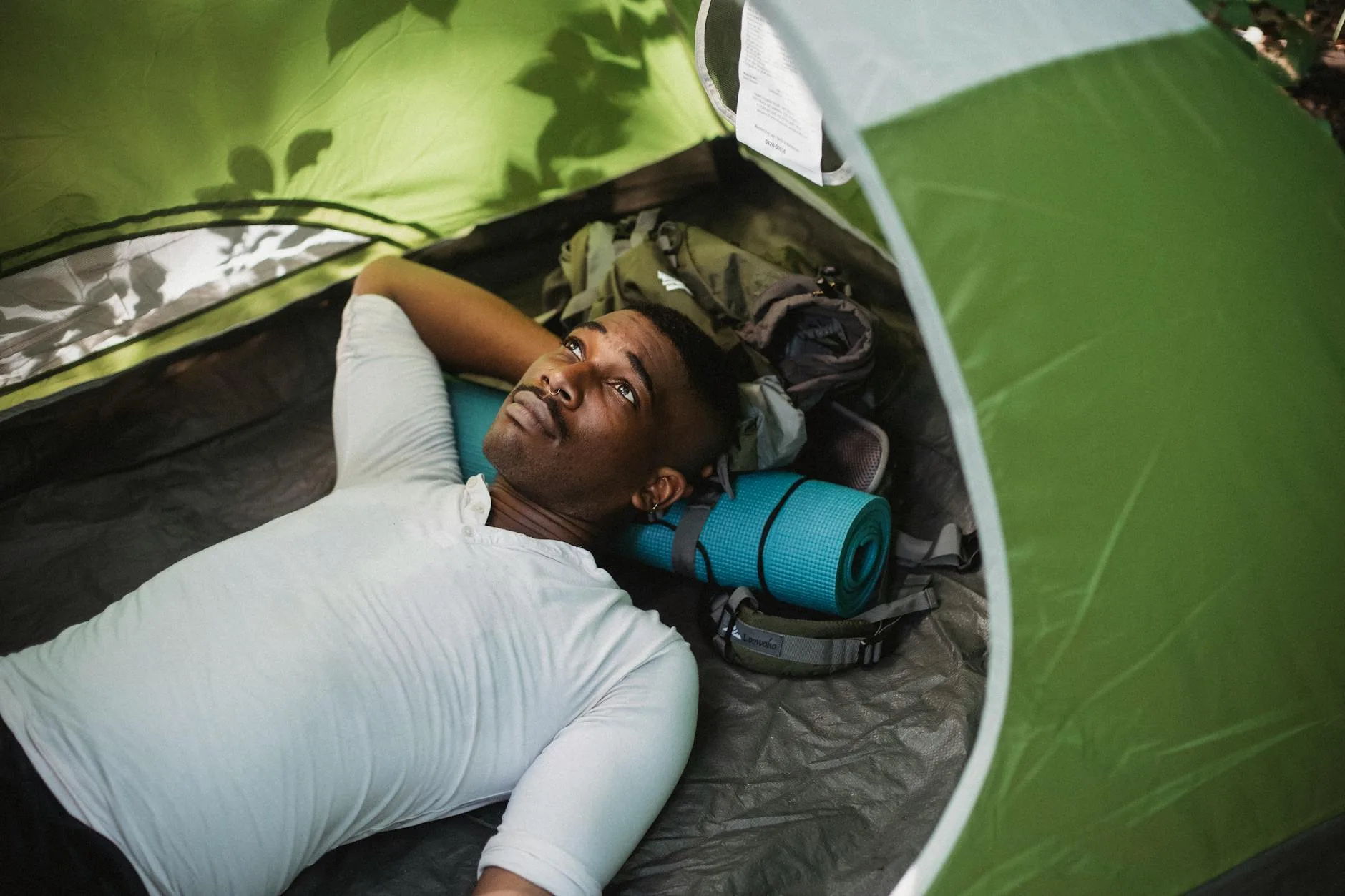
- Indoor hostels and trains: silk liner as a clean sheet between you and communal bedding
- Tropical travel: too hot for any sleeping bag, but you need insect protection and modesty — a liner provides both
- UK summer wild camping: silk or Thermolite liner alone above 12°C ambient
- Bivvy bag camping: a liner inside a bivvy bag (no sleeping bag) works down to about 10°C for warm sleepers
Limitations
A liner alone provides minimal insulation — it relies on being inside an insulating system (sleeping bag) to work properly. Below about 10-12°C ambient, even a thermal liner alone is insufficient for most people. It is a supplement, not a replacement, for proper cold-weather insulation.
Care and Maintenance
Washing Frequency
Wash your liner every 3-5 uses (or weekly on extended trips). This is the whole point — frequent liner washing means infrequent sleeping bag washing. Use mild detergent, no fabric softener (which coats fibres and reduces moisture-wicking).
Drying
Air dry silk and microfibre liners (direct sunlight is fine — it kills bacteria). Cotton can tumble dry. Fleece should air dry (heat damages the fibre structure). A liner dries in 2-4 hours on a washing line versus 24-48 hours for a full sleeping bag — the convenience difference is enormous.
Storage
Store liners loosely (not compressed in their stuff sack) between trips. Permanent compression creates creases that reduce the smooth feel against skin and can create cold spots where fabric bunches during use. A breathable cotton bag or simply draped in a wardrobe is ideal.
Lifespan
- Silk: 3-5 years with hand washing, 1-2 years with machine washing
- Cotton: 2-4 years (degrades with washing but cheap to replace)
- Synthetic: 3-5 years (resilient to washing)
- Fleece: 5+ years (tough material, slow to degrade)
- Thermolite/Reactor: 3-4 years before insulation compresses permanently
Frequently Asked Questions
Do sleeping bag liners actually add the warmth they claim? Budget 70-80% of the manufacturer’s claimed temperature addition for real-world use. A “+5°C” liner realistically adds 3.5-4°C in practice due to bunching, imperfect fit, and the difference between lab conditions and a real tent at 3am. Still worthwhile — just temper expectations.
Can I use any liner in any sleeping bag? Match the shape: mummy liners in mummy bags, rectangular liners in rectangular bags. A rectangular liner in a mummy bag bunches badly and creates cold spots. Most brands sell both shapes. Check the liner length matches or exceeds your sleeping bag length — a short liner leaves your feet exposed to the bag interior directly.
Is silk worth the extra cost over synthetic? For backpacking: yes — the weight and pack size savings justify the premium. For car camping: no — a synthetic liner at half the price performs comparably when weight does not matter. Silk’s advantages (minimal weight, tiny pack size, luxury feel) are most valuable when you carry everything on your back.
Can a liner replace a sleeping bag in summer? In UK summer above about 12°C ambient inside a tent, yes — a Thermolite or silk liner provides enough insulation. Below that, or in exposed wild camping (bivvy, tarp), you need a proper sleeping bag. The liner-only approach works best for sheltered pitches in June-August where overnight lows stay above 10°C.
How do I stop the liner twisting inside my bag? Buy a mummy-shaped liner for mummy bags (the tapered shape stays aligned). Some liners have loops that attach to internal sleeping bag loops. Alternatively, secure the liner hood to your bag hood with a safety pin at each side — old-school but effective at preventing overnight migration.