For a shared camping table, the BioLite AlpenGlow 500 is our first choice here: adjustable warm or cool light and a USB phone-charging output make it more useful for family evenings than a tiny tent lantern. Carrying everything on your back? Choose the 71g Ledlenser ML4 instead. The Black Diamond Moji keeps things simple with replaceable batteries, while the LuminAID Nova USB earns its place through a pack-flat body and solar top-up—not by promising unlimited light in British weather.
This guide covers portable LED lanterns for tents and campsites, not gas lanterns or walking torches. The exact versions below are the AlpenGlow 500, graphite Moji 200 with batteries excluded, standard white-light ML4, and original white-light Nova USB. Charging leads differ; none of these four uses a built-in USB-C input.
Our top 4 picks

BioLite AlpenGlow 500
Best for a shared campsite
Warm or cool light for a table or larger tent, with a USB-A output for a phone.

Black Diamond Moji 200
Best simple battery lantern
Dimmable tent light that takes three AAA batteries; the rechargeable pack is optional.

Ledlenser ML4
Best for backpacking
A 71g rechargeable light with an AA-battery fallback and a clip for a small tent.

LuminAID PackLite Nova USB
Best pack-flat solar option
An inflatable white-light lantern that packs flat and can top up in direct sun.
In this guide
- Camping Lanterns: Quick Comparison
- Four Lanterns for Different Trips
- Choose Light for Your Tent or Table
- Rechargeable, Replaceable Batteries or Solar?
- Lantern or Head Torch?
- Charging, Rain and Storage
- Which Lantern Should You Buy?
- Frequently Asked Questions
Camping Lanterns: Quick Comparison
| Lantern | Best fit | Key differences | Main compromise |
|---|---|---|---|
| BioLite AlpenGlow 500 | Family table or larger tent | 500lm high; 5h on high. Warm/cool light; micro-USB charging; USB-A output; 380g; IPX4. | Heavier than the compact choices; phone charging shares its lighting battery. |
| Black Diamond Moji 200 | Occasional camping and a simple tent light | 200lm maximum; dimmable; 3 AAA batteries or optional BD1500 battery; IPX4. | Batteries are not included; rechargeable battery is an extra purchase. |
| Ledlenser ML4 | Backpacking tent companion | 71g; 150lm Power mode rated 2.5h; 300lm brief Boost; magnetic charging with AA fallback; IP66. | Small light, not a family-table substitute; keep its dedicated charging cable. |
| LuminAID PackLite Nova USB | Pack-flat tent light with solar top-up | 75lm maximum; micro-USB and solar charging; inflatable body; IP67. | Modest output; a full solar charge needs prolonged direct sun. |
Compare brightness at the setting you will actually use, then check how the lantern is powered. A maximum-lumen figure tells you little about an evening of low, comfortable tent light. The runtime figures below are manufacturers’ ratings for specific modes; a dim setting lasts much longer than full brightness.
Four Lanterns for Different Trips
BioLite AlpenGlow 500: the family-table choice
The AlpenGlow suits campers who want one light for eating, sorting kit and winding down. Its warm and cool white modes give it a clearer reason to choose it over the Moji than brightness alone: use task-oriented white light when needed, then dim the warmer setting for sitting together. Colour effects are optional, not the reason to spend more.
BioLite rates this 500 model at 500 lumens on high with five hours of runtime, or five lumens on low for up to 200 hours. That low setting is a dim marker light, not five days of dinner-table illumination. Its 6,400mAh battery also supplies a USB-A output; charging another device leaves less energy for lighting.
At 380g, it is easier to justify in a car-camping box than an ultralight pack. The included micro-USB lead handles recharging, so a USB-C-only cable pouch will not do. Choose it for adaptable shared light; choose the ML4 if weight matters more than table coverage.
Black Diamond Moji 200: simple replaceable-battery lighting
The Moji is the practical starting point if you camp occasionally and would rather pack spare batteries than manage another charging lead. A frosted globe, dimming control and double-hook hanging loop cover the basic job of lighting a tent without adding colour programmes or phone charging.
The graphite Moji 200 is part BD6206830004ALL1, the current 200-lumen Moji. Bring three AAA batteries; they are sold separately. Black Diamond’s optional BD1500 rechargeable battery is also a separate purchase, and the lantern has no built-in USB charging input.
Its appeal is low-complexity lighting, not maximum output. For occasional nights, starting with AAA batteries makes more sense than paying for the rechargeable accessory immediately. Frequent campers who already want a rechargeable system should compare that complete cost with the ML4 rather than judging the lantern-only price.
Ledlenser ML4: compact light for a backpacking tent
The ML4 is our pick when a lantern has to earn its place beside a head torch. Its 71g weight and carabiner-style clip suit hanging inside a small tent, and the option to use an AA battery gives it a fallback when charging is awkward. This is the standard model 502053, not the separate Warm Light version.
Ledlenser’s product data sheet is more useful than the large “300 lumens” headline: 300 is a brief Boost mode. Power mode is rated at 150 lumens for 2.5 hours, mid at 50 lumens for eight hours, and low at five lumens for 45 hours. Those are different settings, not 45 hours of bright light.
The rechargeable battery and USB-A-to-magnetic cable are included. Keep that dedicated lead with the lantern; your phone cable cannot connect directly. Compared with the Moji, you gain a compact rechargeable package with AA backup. Compared with the BioLite, you give up the larger shared-light format and phone-charging function.
LuminAID PackLite Nova USB: solar top-up without a bulky body
The original Nova USB makes sense when a squash-flat tent light is more useful than a rigid lantern. Inflate it at camp and it provides white light; deflate it for packing. Its 75-lumen maximum is modest beside the BioLite, so treat it as a close-range tent or small-table light, not a floodlight for the whole pitch.
LuminAID’s comparison guide lists up to 24 hours on low and roughly 10–12 hours of direct sunlight for a full solar charge. That is sustained useful sun, not one overcast day outdoors. The Nova USB also charges by micro-USB in around one to two hours, using the included cable. Pre-charge it before leaving and regard solar as a top-up.
Buy this version for its pack-flat shape and a second charging route. It does not charge a phone, and its solar panel does not remove the need for a backup light. If predictable bright lighting throughout a wet trip is the priority, choose a rechargeable or replaceable-battery lantern instead.
Choose Light for Your Tent or Table
Start with where the light will sit. A small tent needs light close to sleeping bags and kit; a family table needs a wider useful pool. More lumens can help with the latter, but the diffuser, hanging height and position also matter. A high-output lamp at eye level can be less comfortable than a dimmer one placed above the table.
Dimming is worth more than a long list of flashing modes. It lets you lower the light for reading or getting ready for bed, and avoids lighting neighbouring pitches. Check that your tent’s hanging point can support the lantern; do not hang a heavy model from an unsupported fabric panel.
Compare runtime at the level you expect to use. A headline combining maximum lumens with maximum battery life often describes two different modes. For several evenings away from power, add up expected hours of use and leave a margin rather than assuming a lantern’s lowest setting will cover every task.
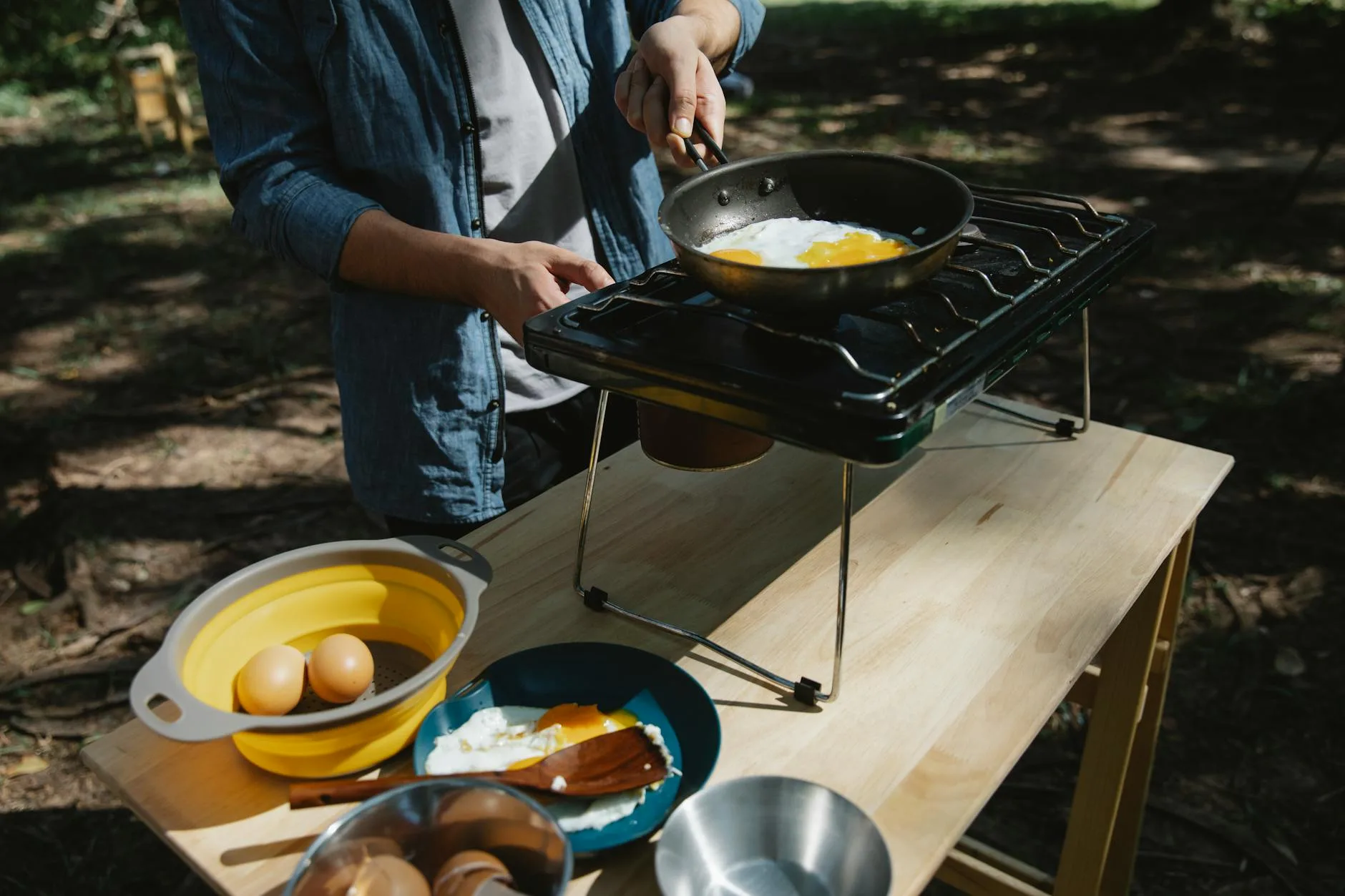
For cooking, place the light where your body will not block it as you work, and keep it clear of the stove and hot pans. A head torch can add directed light for checking food. Our camping cooking guide covers the rest of a simple campsite kitchen.
Rechargeable, Replaceable Batteries or Solar?
Rechargeable: the convenient option when you can charge before departure and carry a power bank for longer stays. Check the connector, not just the word “USB”. Both the BioLite and Nova need micro-USB; the ML4 uses its own magnetic connection. A power bank is no help if the matching lead is at home.
Replaceable batteries: useful where access to sockets is uncertain. The Moji takes three AAA batteries; the ML4 can use an AA as backup. Keep spare cells protected from loose metal items and follow the maker’s battery guidance. Do not attempt to recharge disposable batteries.
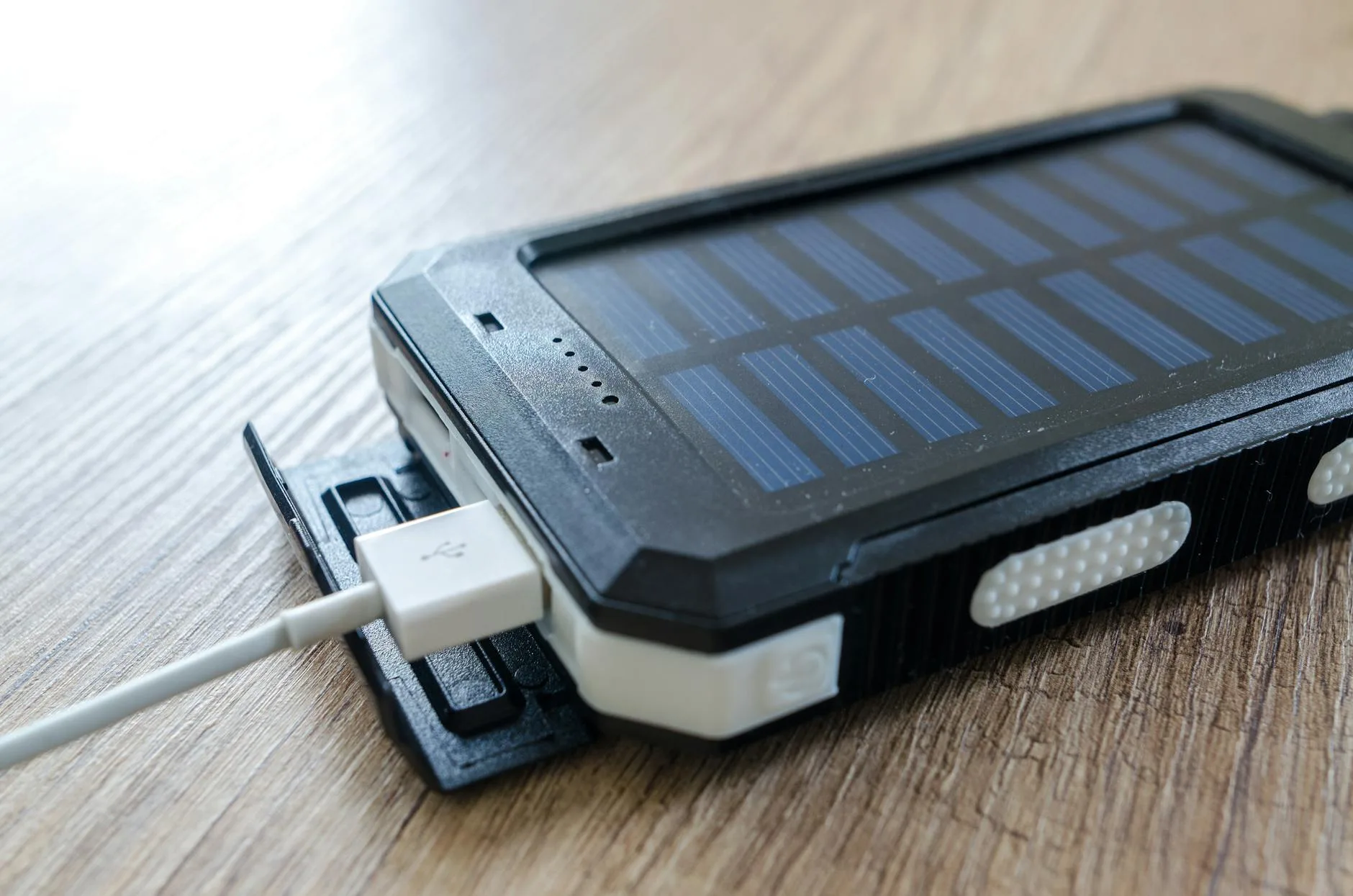
Solar: useful as an extra input, with obvious limits on a shaded pitch or cloudy trip. The Nova combines it with USB charging, which is why it is a more practical recommendation than relying on sun alone. Positioning a panel for charging and putting a lantern where you want light are separate jobs; make a charging plan before dusk.
Lantern or Head Torch?
A lantern makes shared spaces easier to use without everyone wearing a beam on their forehead. A head torch leaves your hands free and directs light towards the path, guy lines or the item you are working on. For walking after dark, buy the head torch first.
For a solo trip with a tight weight budget, a separate lantern is optional. The ML4 is the lightest of these four where manufacturer weights can be compared, but even a small extra is still an extra. Our pack-weight guide helps decide which shared comforts you will actually use. Families staying near the car have a stronger case for the BioLite and personal torches for trips away from the tent.
Charging, Rain and Storage
Charge and check the lantern before packing, including its dimming and lock controls. Pack the right cable, and keep some independent lighting available rather than using your last lantern charge to fill a phone. When the trip is over, dry and clean the lantern before storage and follow its battery-care instructions.
The BioLite and Moji are rated IPX4, the ML4 IP66 and the Nova IP67. Do not treat these as permission to charge wet equipment or leave connectors open in rain. Close covers properly, keep charging arrangements dry and follow the product instructions. Cold-weather planning is also about people, not just power: see our guide to staying warm while camping.
Which Lantern Should You Buy?
Choose the BioLite AlpenGlow 500 for adaptable shared light at a family table, the Moji 200 for simple tent lighting with replaceable batteries, or the ML4 when carrying weight and a compact rechargeable package matter most. The Nova USB is the narrower choice: pack-flat light with solar top-up, provided you are happy to pre-charge it and accept modest output.
Do not pay for brightness you will mostly turn down, and do not buy solar because you expect never to charge a battery again. Pick the lantern around the space you need to light and the power you can realistically carry.
Frequently Asked Questions
How many lumens do I need for camping? There is no single figure for every tent. Close-range reading needs less light than a shared cooking or dining area. Choose a dimmable lantern, consider where it will hang, and compare runtime at a useful working setting rather than at its dimmest mode.
Are solar camping lanterns useful in the UK? They can be useful for topping up a pre-charged lantern, but cloud and shade limit charging. The Nova USB needs roughly 10–12 hours of direct sun for a full charge, according to LuminAID. Its USB input is the more predictable way to start a trip with a full battery.
Does the Ledlenser ML4 provide 300 lumens for 45 hours? No. Its 300-lumen setting is a brief Boost mode. Ledlenser rates Power mode at 150 lumens for 2.5 hours and low mode at five lumens for 45 hours.
Are batteries included with the Black Diamond Moji? Not with the graphite Moji 200. It takes three AAA batteries or an optional BD1500 rechargeable battery, which is sold separately.
Can these lanterns charge my phone? The BioLite AlpenGlow 500 has a USB-A output for other devices. The Moji, ML4 and original Nova USB do not provide phone charging. Using the BioLite as a power bank reduces the energy left for lighting.
Do I still need a head torch? A head torch is the better primary light for walking after dark and hands-free tasks away from the tent. A lantern is a useful companion for shared meals, reading and finding kit inside the tent, rather than a replacement for a walking light.