It’s 7pm, you’ve been walking in the Brecon Beacons since morning, and everything is wet. Your boots are squelching. Your jacket has given up being waterproof somewhere around hour four. Your socks could be wrung out like flannels. You’ve got another day of hiking tomorrow, and the idea of putting wet kit back on at 6am is genuinely miserable. Learning to dry your gear in camp — properly, without damaging it — is one of those skills nobody teaches you until you’ve suffered through a cold, damp morning in yesterday’s socks.
In This Article
- Why Drying Gear Matters Beyond Comfort
- The Golden Rules of Camp Drying
- Drying Boots and Shoes
- Drying Socks and Base Layers
- Drying Waterproof Jackets and Trousers
- Drying Mid-Layers and Insulation
- Drying Gear Inside Your Tent
- Using a Campfire Safely
- The Newspaper Trick and Other Hacks
- What to Do When Nothing Will Dry
- Preventing Wet Gear in the First Place
- Frequently Asked Questions
- The Bottom Line
Why Drying Gear Matters Beyond Comfort
Wet gear isn’t just unpleasant. It creates practical problems that affect your safety and the lifespan of your equipment.
Health Risks
- Hypothermia — wet clothing conducts heat away from your body 25 times faster than dry clothing. In UK conditions where temperatures can drop to 5-10°C overnight even in summer, wet kit overnight followed by wet kit in the morning is a genuine hypothermia risk
- Blisters — wet socks inside wet boots create friction that tears skin. A second day in wet footwear almost guarantees blisters that can end a trip
- Trench foot — sustained wet feet over 48+ hours causes the tissue to break down. Rare on leisure hikes but not impossible on multi-day trips in persistent rain
Equipment Damage
- Mould and mildew — packing wet gear into a stuff sack overnight creates the warm, damp conditions mould loves. A tent packed wet develops mildew in 24-48 hours
- Odour — bacterial growth in wet synthetic fabrics creates a smell that’s almost impossible to remove completely. Your merino base layer will survive; your polyester one may not
- Degraded waterproofing — repeatedly packing wet waterproofs without drying stresses the DWR coating and seam tape
The Golden Rules of Camp Drying
1. Start Early
The moment you make camp, start drying. Don’t wait until you’ve cooked dinner and settled in — every hour of drying time matters. Strip off wet kit, change into dry camp clothes, and get your wet gear into a drying position immediately.
2. Air Movement Beats Heat
Wind dries things faster than warmth. Hanging clothes where there’s a breeze — even a slight one — is more effective than draping them in a still, warm tent. If you’re in a sheltered spot with no wind, create airflow by leaving tent doors open or hanging kit where air naturally moves.
3. Surface Area Matters
Balled-up socks in the corner of a tent won’t dry. Spread everything out. Open boots wide. Lay socks flat. Unzip jackets fully. The more surface area exposed to air, the faster moisture evaporates.
4. Separate Wet from Dry
Keep your wet gear away from your sleeping bag, dry clothes, and anything else you need to stay dry. A wet jacket touching a dry sleeping bag transfers moisture through contact. Use a dry bag or stuff sack as a barrier.
Drying Boots and Shoes
Boots are the hardest item to dry because they’re thick, layered, and hold moisture like a sponge. But they’re also the most important — wet boots on day two ruins a trip faster than anything else.
The Newspaper Method
If you’re car camping or near a shop, newspaper is the best boot-drying tool available. Crumple sheets tightly and stuff them into the boot from toe to ankle. Newspaper absorbs moisture aggressively — far faster than air alone. Replace the newspaper every 2-3 hours for the fastest results. Overnight, one stuffing is usually enough to make the boots wearable by morning.
The Sock-and-Dry-Clothes Method
No newspaper? Stuff boots with any dry, absorbent material: a spare dry T-shirt, a microfibre towel, or even a dry fleece. These absorb moisture from the boot lining. You’ll need to dry the stuffing material too, but it transfers moisture from inside the boot (where it can’t evaporate) to a material you can hang in the air.
What Not to Do
- Don’t put boots near a fire — leather cracks and dries out permanently. Synthetic materials can melt. The adhesive holding soles to uppers softens and separates. Keep boots at least 2 metres from any flame
- Don’t use a hairdryer on hot setting — concentrated heat damages boot materials. If you have access to one (glamping, bunkhouse), use cool or low heat only
- Don’t leave boots outside overnight — dew, rain, and condensation will undo any drying progress. Bring them into the tent porch or hang them under a tarp
Our guide on the best walking boots for UK trails covers waterproof ratings if you’re finding your current boots aren’t keeping up with British weather.
Drying Socks and Base Layers
Lighter fabrics dry fastest, so socks and base layers are the easiest items to rescue.
Merino Wool vs Synthetic
- Merino wool — absorbs up to 30% of its weight in moisture before feeling wet. Dries slower than synthetic but retains warmth even when damp. Resists odour even after multiple wet-dry cycles
- Synthetic (polyester/nylon) — absorbs very little moisture, so it dries much faster. But it stinks after one day of sweaty hiking and holds bacteria tenaciously
Drying Techniques
- Wring thoroughly — twist socks and base layers firmly to extract as much water as possible before hanging
- Hang on a guy line or paracord — string a line between trees or tent poles. The breeze does the work
- Body drying — wearing damp merino socks inside your sleeping bag uses your body heat to dry them overnight. This works for merino; don’t try it with soaking wet synthetic socks, which won’t dry fast enough and will just make you cold
- Flat drying on a rock — if you’re in sunshine, lay socks and base layers flat on a warm, dark-coloured rock. The rock absorbs solar heat and transfers it to the fabric
For more on choosing the right base layer materials, our layering system guide covers the options.
Drying Waterproof Jackets and Trousers
Waterproofs are designed to repel water from the outside, which also means they resist drying from the inside. Moisture gets trapped between the membrane and the liner.
The Inside-Out Technique
Turn your waterproof inside out and hang it up. The liner fabric (which absorbed your body moisture) is now exposed to air, while the waterproof face is protected from dew. This dries the liner faster and prevents the exterior DWR from degrading.
Shake Off Excess
Before hanging, shake the jacket vigorously to remove surface water. Water beading on the exterior means the DWR is working — let it sheet off before hanging rather than waiting for it to evaporate.
Open All Zips and Vents
Pit zips, pocket zips, front zip — open everything. This maximises airflow through the jacket. If the jacket has mesh-lined pockets, turn them inside out too.
Rejuvenating DWR
If water is soaking into the fabric rather than beading off, the DWR (Durable Water Repellency) treatment has worn off. In camp, you can’t re-treat it, but when you get home, a tumble dry on low heat or a DWR spray like Nikwax TX.Direct (about £8 from any outdoor shop) restores the coating. The Gore-Tex care instructions recommend washing and tumble drying waterproofs regularly to maintain performance.
Drying Mid-Layers and Insulation
Fleece and Softshell
These dry relatively quickly because the fibres don’t hold much water. Wring out, hang up, and they’ll be dry in 2-4 hours in reasonable conditions. Fleece in particular dries faster than almost any other outdoor fabric. For a related angle, see our Camping Cooking Gear for Beginners: What You Actually Need guide.
Down Insulation
Down is the nightmare scenario. Wet down clumps, loses all insulating power, and takes forever to dry. In camp without a tumble dryer, a wet down jacket is essentially useless until you get home.
Prevention is everything: keep down in a dry bag inside your pack. If it does get wet, hang it in any available sunshine and manually separate the clumps by pulling the fabric gently. Each clump needs breaking apart so the feathers can loft and dry individually. Expect 6-12 hours in sunshine, or days in damp conditions.
Synthetic Insulation
Synthetic insulated jackets (Primaloft, Climashield) retain warmth even when wet and dry much faster than down. If you’re doing multi-day hikes in the UK where rain is likely, a synthetic insulated jacket is the pragmatic choice over down.
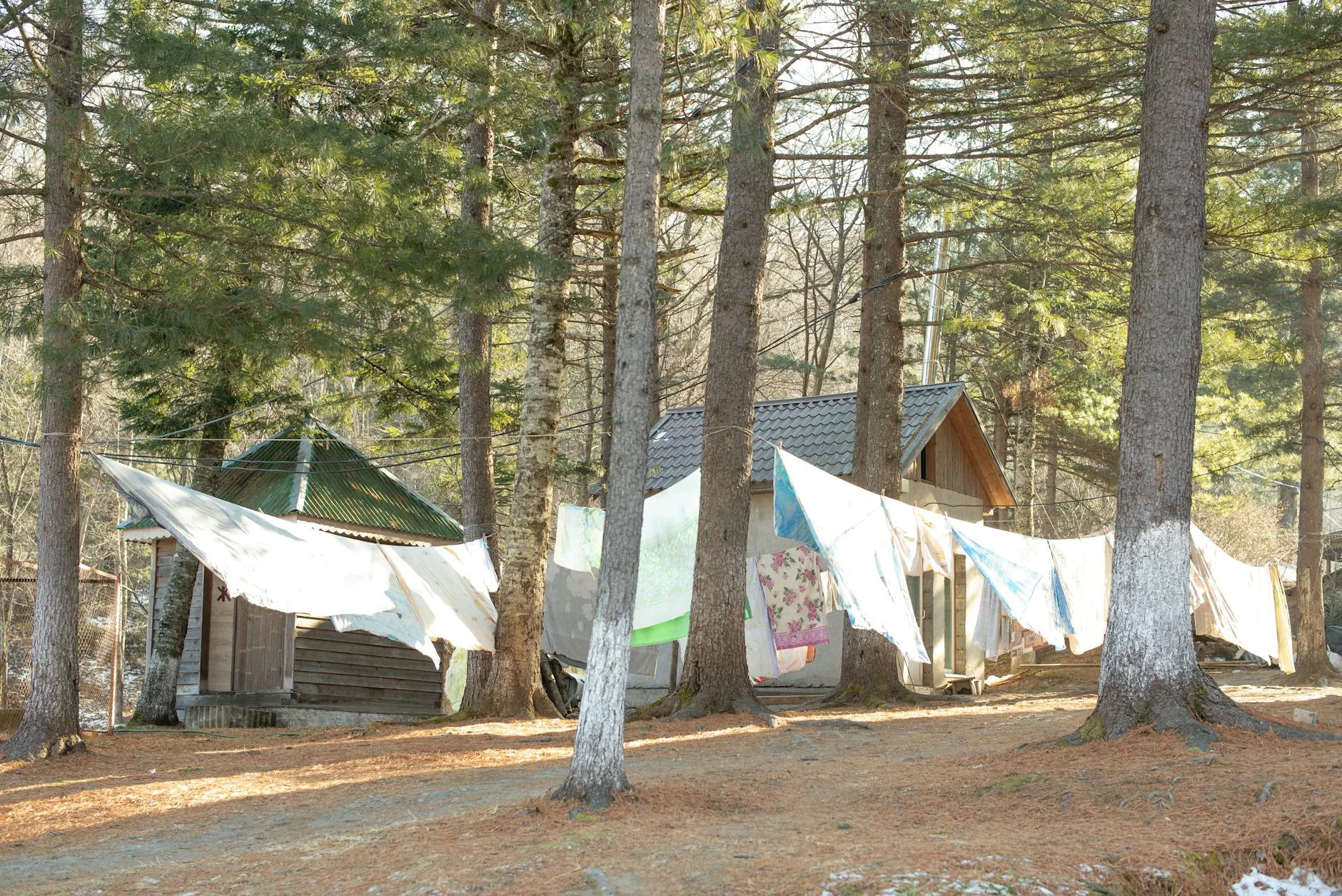
Drying Gear Inside Your Tent
When the weather won’t cooperate — which in the UK is most of the time — you’ll be drying gear inside your tent.
Condensation Management
Drying wet clothes inside a sealed tent creates condensation that drips onto your sleeping bag, making everything wetter. Manage this by:
- Ventilating — open vents and leave doors partially unzipped. Cold air entering the tent is better than humid air trapped inside
- Using the porch — hang wet items in the tent porch rather than the inner. The porch is already a transitional space between inside and outside
- Creating a clothesline — string paracord across the tent apex (the highest point) and hang items there. Hot, moist air rises, so items at the top dry fastest
- Using a towel barrier — place a microfibre towel between hanging wet items and your sleeping area to catch any drips
The Sleeping Bag Trick
For small items like socks and gloves, place them between your sleeping bag and sleeping mat. Your body heat warms them from above, and the insulated mat prevents heat loss downward. They won’t be bone dry by morning, but they’ll be much better.
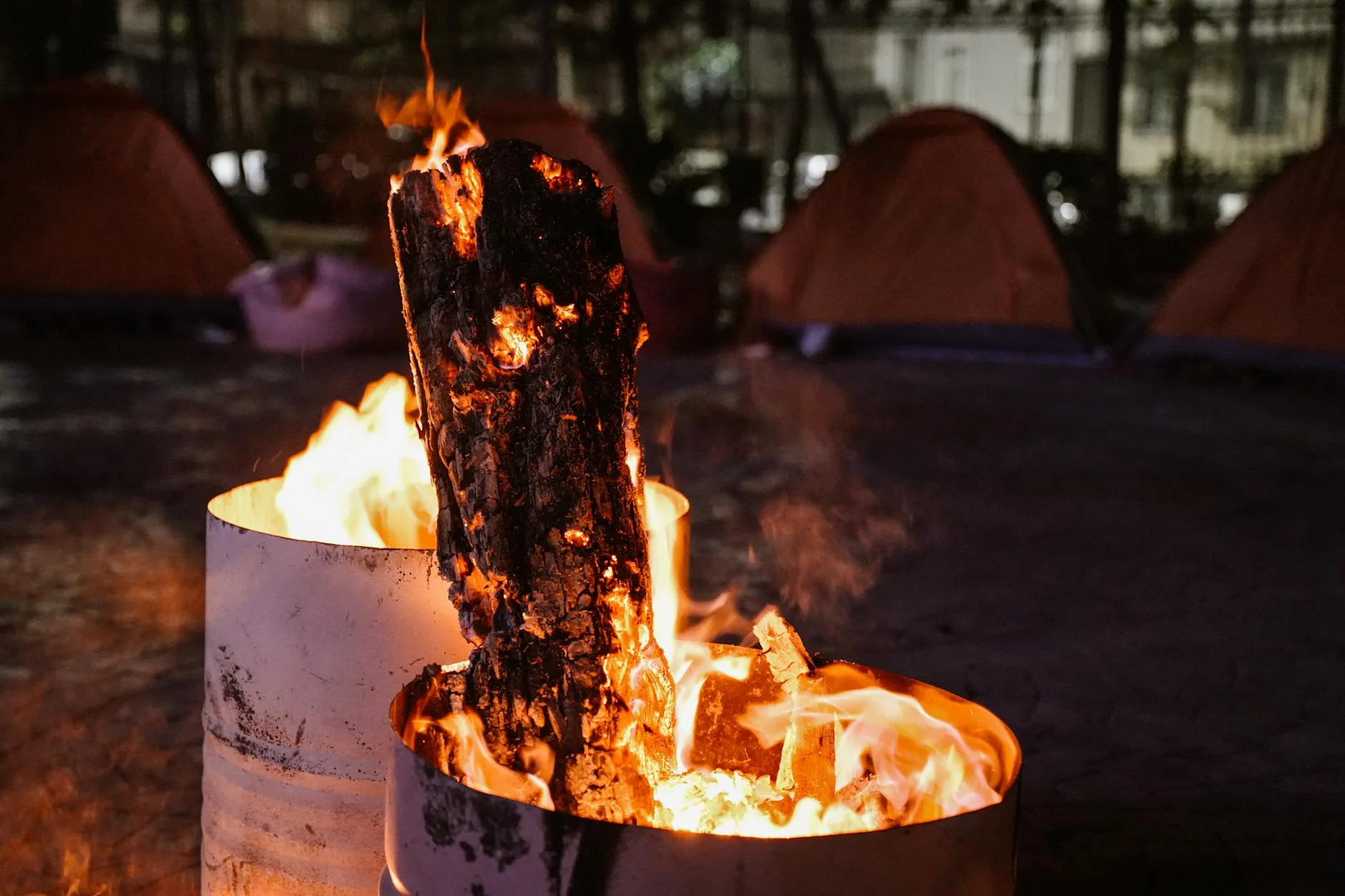
Using a Campfire Safely
A campfire speeds up drying enormously — but it also destroys kit if you’re not careful. More outdoor clothing is ruined by fires than by the weather it’s supposed to protect against.
Safe Distances
- Synthetic fabrics — minimum 2 metres. Nylon, polyester, and synthetic fills melt and develop permanent holes from sparks
- Leather boots — minimum 2 metres. Heat dries leather too fast, causing cracking and shrinkage
- Waterproof membranes — minimum 2 metres. Heat degrades Gore-Tex and similar membranes
- Merino wool — slightly more heat-resistant but still keep 1-1.5 metres back. Wool can scorch and smells terrible when it does
The Drying Rack
If the campsite allows fires, set up a drying rack using sticks:
- Drive two forked sticks into the ground on either side of the fire, about 2 metres away
- Lay a straight branch across the forks
- Hang items from the crossbar using paracord or S-hooks
- Rotate items every 15-20 minutes so all sides get exposure
- Never leave items unattended near a fire — a gust of wind can blow fabric into flames
The Newspaper Trick and Other Hacks
Rice in a Sock
Fill a sock with uncooked rice, microwave for 2 minutes (if you have access), and stuff it into a wet boot. The warm rice absorbs moisture from the boot lining. No microwave? The rice still absorbs moisture at room temperature — just more slowly.
Hand Warmers
Chemical hand warmers placed inside boots or gloves generate gentle heat for 6-8 hours. Not as effective as newspaper for moisture absorption, but the warmth accelerates evaporation inside enclosed items. About £1-2 per pair from outdoor shops or Amazon.
The Car Dashboard
If you’re returning to a car mid-trip, spread wet socks and gloves across the dashboard in sunshine. The greenhouse effect inside a closed car generates significant heat — items can dry in 1-2 hours on a sunny day. Our Best Base Layers 2026 UK: Merino Wool & Synthetic guide is useful alongside this.
The Bin Bag Vapour Barrier
In desperate conditions (everything’s wet, nothing’s drying, you need to sleep), place your feet in plastic bags inside your sleeping bag. The bags stop moisture from your wet socks reaching your sleeping bag insulation. It’s unpleasant, but it works as a temporary measure.
What to Do When Nothing Will Dry
Three days of continuous rain in the Lake District. Everything is wet. The tent is wet. Your spare clothes are wet because the dry bag leaked. Here’s the survival hierarchy:
Priority 1: Keep Your Sleeping Bag Dry
Your sleeping bag is the single most important piece of kit. If it’s still dry, protect it at all costs. Double-bag it in dry bags. Don’t take it out until you’re inside the tent with the door closed. A dry sleeping bag means you can recover from a wet day.
Priority 2: Accept Wet and Manage Temperature
If you can’t dry your hiking clothes, accept they’ll be wet tomorrow and focus on managing your core temperature. A waterproof shell over a wet base layer traps body heat and keeps wind off wet skin. You’ll be uncomfortable but functional.
Priority 3: Wring and Wear
Wringing out wet clothes before putting them on makes a surprising difference. The difference between soaking wet and wrung-out damp is the difference between cold and tolerable. Every gram of water you wring out is a gram your body doesn’t have to heat.
Know When to Bail
If your sleeping bag is wet, your clothes are wet, temperatures are dropping, and you’re starting to shiver uncontrollably, it’s time to end the trip. Find shelter — a bothy, a pub, a B&B. There’s no pride in hypothermia. Our camping spot guide covers choosing sheltered locations that minimise weather exposure.
Preventing Wet Gear in the First Place
Pack Smart
- Dry bags for everything important — sleeping bag, spare clothes, and electronics each get their own dry bag. Not just one big dry bag for everything — if one leaks, you’ve lost all your dry kit
- Pack wet and dry separately — use the bottom of your pack (or an external pocket) for wet items. Keep dry items sealed in the main compartment
- Waterproof your pack — a rucksack rain cover (about £10-20) keeps the pack exterior dry. Line the inside with a bin liner for belt-and-braces protection
Dress Smart
Your layering system is your first line of defence. A good waterproof shell that’s still beading water properly keeps most rain off your mid-layers and base layers. If your waterproof has stopped working, re-treat it with DWR spray before your next trip.
Camp Smart
- Pitch under trees (deciduous, not under dead branches) for natural shelter from light rain
- Use your tent porch as a changing area — strip wet layers before entering the inner tent
- Carry camp-specific dry clothes — a dedicated set of clothes that never gets worn while hiking, kept sealed in a dry bag for evenings and sleeping
Frequently Asked Questions
How do you dry hiking boots overnight in camp? Stuff them tightly with crumpled newspaper, a dry T-shirt, or a microfibre towel. This draws moisture from the boot lining. Replace the stuffing after a few hours if the boots are very wet. Keep boots in the tent porch — not outside where dew will soak them again, and never near a fire where heat damages the materials.
Can you dry clothes in a sleeping bag? Small, lightly damp items like merino socks can be dried by placing them between your sleeping bag and mat overnight. Your body heat helps. Don’t put soaking wet items in your sleeping bag — they’ll make the bag damp and reduce its insulation. The item should be wrung out thoroughly first.
Does hanging wet clothes inside a tent work? Yes, but you need ventilation. Open vents and partially unzip doors to prevent condensation buildup. Hang items on a paracord line at the tent apex where warm air rises. Items in the tent porch dry better than inside the inner tent because of better airflow.
How far should wet gear be from a campfire? At least 2 metres for all synthetic fabrics, leather, and waterproof membranes. Sparks can melt synthetic materials and create permanent holes. Heat degrades waterproof coatings and cracks leather. Merino wool is slightly more resistant but still keep it 1-1.5 metres away.
What dries fastest: merino or synthetic? Synthetic fabrics dry faster because they absorb almost no water — moisture sits on the surface and evaporates quickly. Merino absorbs more water but retains warmth even when damp. For quick drying, synthetic wins. For comfort while damp, merino wins.
The Bottom Line
Drying gear in camp comes down to three things: start early, maximise airflow, and protect what’s already dry. The best piece of kit for camp drying isn’t a fancy gadget — it’s a few sheets of newspaper and the discipline to start the process the moment you stop walking.
UK weather is what it is. You’re going to get wet. The difference between a miserable trip and a good one isn’t whether your gear gets wet — it’s whether you know how to get it dry again before morning.