It’s 7pm, you’ve been walking since 9am, and the last thing you want to do is fuss with three pans, a chopping board, and a recipe that requires “finely diced shallots.” You want hot food, one pot to clean, and ideally less than fifteen minutes between lighting the stove and eating. That’s not laziness — that’s trail efficiency.
I’ve cooked hundreds of camping meals over the years, from elaborate multi-course disasters that used every pan I owned to stripped-back one-pot dinners that took six minutes and tasted twice as good. The one-pot approach wins every time — less weight, less washing up, less fuel, and better food because you’re not trying to juggle timing across three burners that don’t exist.
Here are the recipes that have survived multiple camping trips, multiple seasons, and the brutal test of “would I eat this again after a 20-mile day?” Every single one uses one pot, one stove, and ingredients you can pack without refrigeration.
In This Article
- Essential Kit for One-Pot Camping Cooking
- Ingredient Planning for the Trail
- Quick Pasta Recipes: Under 15 Minutes
- Rice and Grain Meals
- Soups and Stews
- Breakfast One-Pot Recipes
- Tips for Cooking at Altitude and in Bad Weather
- Food Safety on the Trail
- Meal Planning for Multi-Day Trips
- Frequently Asked Questions
Essential Kit for One-Pot Camping Cooking
The Pot
You need one pot that does everything. For solo trips, a 750ml-1L pot works. For two people, go 1.5-2L. Material matters:
- Titanium — lightest (under 150g for a 750ml pot), heats fast, doesn’t distribute heat evenly (hotspots). Best for backpacking where every gram counts. About £40-70
- Hard-anodised aluminium — excellent heat distribution, lightweight, non-stick versions clean easily. The sweet spot for most campers. About £15-35
- Stainless steel — durable, easy to clean, heavier. Fine for car camping. About £10-20
Our camping cooking gear guide covers pot selection in more detail.
The Stove
Any camping stove works for one-pot cooking. The main choice:
- Canister stoves (JetBoil, MSR PocketRocket) — convenient, fast boiling, limited simmering control
- Meths/alcohol stoves (Trangia, Vango) — silent, reliable, great simmer control, slower to boil
- Gas hob stoves (Campingaz, Coleman) — best for car camping, most control, heaviest
For the recipes below, you need a stove that can simmer (not just boil). JetBoil-style stoves struggle with simmering — food burns on the bottom while the top stays cold. Stoves with adjustable flame control are better for actual cooking. For a related angle, see our Sleeping Pads Explained: Foam, Air & Self-Inflating guide.
Other Essentials
- Long-handled spork or spoon — for stirring without burning your fingers
- Lighter or waterproof matches — pack two fire sources
- Small cutting knife — folding knife with a 3-inch blade covers most prep
- Biodegradable soap and small sponge — for cleaning (keep food waste out of waterways)
- Ziplock bags — for pre-measured ingredients and waste
Ingredient Planning for the Trail
Shelf-Stable Staples That Pack Well
- Pasta (penne, fusilli — avoid spaghetti, it doesn’t fit in small pots)
- Instant rice or couscous — cooks in 5 minutes vs 15 for regular rice
- Instant noodles — the backbone of lightweight trail cooking
- Dried lentils (red lentils cook in 15 minutes without soaking)
- Powdered milk/coconut milk powder — for creamy sauces without the weight
- Hard cheese (parmesan, cheddar block) — lasts 3-4 days unrefrigerated
- Cured meat (chorizo, salami, pepperoni) — shelf-stable, calorie-dense, adds massive flavour
- Dried herbs and spices — decant into tiny containers or use pre-made spice mixes
- Olive oil in a small bottle — essential for flavour and calories
- Stock cubes or bouillon powder — transforms plain water into a meal base
Weight-to-Calorie Champions
On multi-day hikes, you need roughly 2,500-3,500 calories per day depending on terrain and load. Weight matters, so prioritise:
- Nuts and nut butter — 600+ cal per 100g
- Chocolate — 550 cal per 100g (trail currency)
- Olive oil — 900 cal per 100g (add to everything)
- Dried pasta — 350 cal per 100g
- Couscous — 360 cal per 100g (lightest cooked starch)
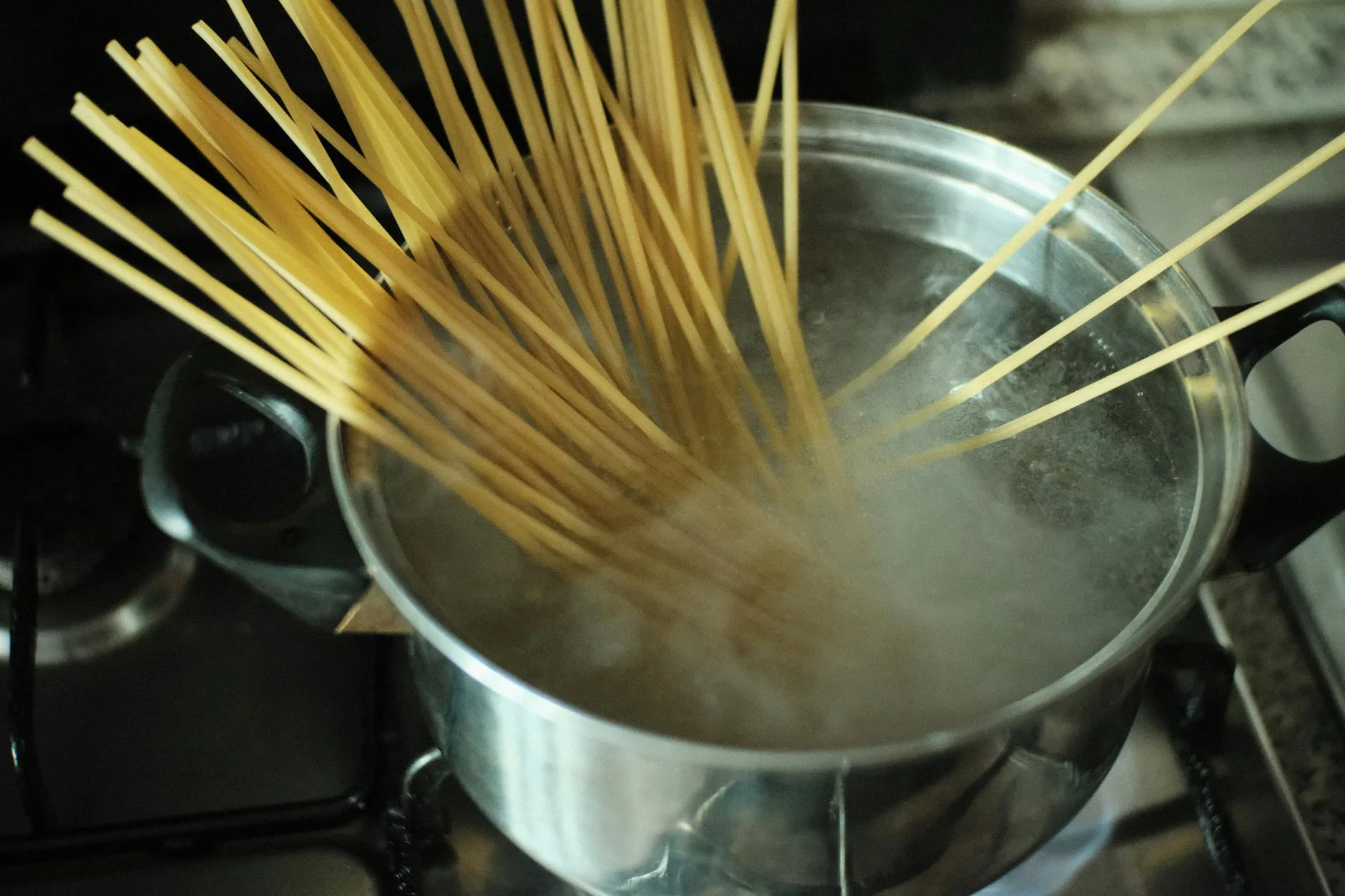
Quick Pasta Recipes: Under 15 Minutes
Chorizo Pasta
The camping classic. Takes 12 minutes, uses minimal fuel, and tastes absurdly good for something this simple.
- Boil water in your pot (just enough to cover the pasta — don’t overfill)
- Add pasta (about 100g per person), cook until almost done (8-10 min)
- Drain most of the water (leave 2-3 tablespoons in the pot)
- Slice chorizo into coins and add to the pot — the fat renders immediately
- Stir for 2 minutes until the chorizo oil coats the pasta
- Add a pinch of dried chilli flakes if you packed them
That’s it. The chorizo provides all the seasoning and fat you need. I’ve made this on maybe fifty camping trips and it hasn’t gotten old.
Pesto Parmesan Pasta
Even simpler — works when you’re too tired to think.
- Cook pasta in minimal water (12 minutes total from cold water to eating)
- Drain, leaving a splash of starchy water
- Stir in a generous tablespoon of pesto (those small jar pots work perfectly for camping — use within 2 days once opened)
- Grate or shave parmesan over the top
- Add olive oil if you want more richness
Tuna Pasta with Sundried Tomatoes
Lightweight, protein-rich, no refrigeration needed.
- Cook pasta, drain most water
- Add a tin of tuna (those small ring-pull tins — the 80g ones are perfect for one)
- Throw in chopped sundried tomatoes (the ones in oil from a jar — pack a few in a ziplock)
- Season with black pepper, dried oregano, squeeze of lemon if you have one
- Stir until combined — the tomato oil and tuna oil create the sauce
Rice and Grain Meals
Spiced Lentil Dal
Warm, filling, packed with protein. Takes 20 minutes but most of that is hands-off simmering.
- Heat oil in your pot, add a spoonful of curry powder or individual spices (cumin, turmeric, chilli)
- Add 80g red lentils and 400ml water per person
- Bring to the boil, then reduce to a simmer
- Stir occasionally for 15-18 minutes until lentils break down into a thick soup
- Season with salt and a squeeze of lemon juice (or a pinch of citric acid if packing ultralight)
- Eat with flatbread or add instant rice alongside
Red lentils don’t need soaking and cook to a creamy consistency — perfect one-pot food. Pack pre-mixed spice blends in tiny ziplock bags at home.
Couscous with Roasted Veg and Feta
Five minutes total. The fastest hot dinner possible.
- Boil water in your pot (200ml per person)
- Remove from heat, add 100g couscous, cover with a lid or plate
- Wait 5 minutes — it’s done
- Fluff with a fork, stir in olive oil, crumbled feta (lasts 2 days without fridge), chopped sundried tomatoes, and dried herbs
- Optional: add a handful of pine nuts or toasted pumpkin seeds packed from home
Mushroom Risotto (Camp-Style)
Not a true risotto (no 45 minutes of stirring) but close enough for the trail.
- Heat oil, add a handful of dried porcini mushrooms (rehydrated in hot water for 5 minutes while you set up)
- Add 100g arborio rice per person plus the mushroom soaking water and enough fresh water to cover by 2cm
- Bring to a gentle simmer and stir every few minutes for 18-20 minutes
- Add stock cube, dried herbs, and a good knob of butter or olive oil at the end
- Top with parmesan — it should be creamy and just thick enough
Soups and Stews
Trail Minestrone
A proper warming soup that counts as a meal. Uses store-cupboard stuff you can pack for days.
- Heat oil, add sliced chorizo or salami (cook for 2 minutes to release fat)
- Add a stock cube dissolved in 500ml boiling water
- Throw in a handful of small pasta shapes (ditalini or broken spaghetti)
- Add a tin of beans or chickpeas (drained — those ring-pull tins work best on trail)
- Simmer for 10-12 minutes until pasta is cooked
- Season, add dried herbs. Eat with bread if you’ve got it
Peanut Butter Noodle Soup
Sounds odd, tastes brilliant. A Thai-inspired trail staple.
- Boil 400ml water with a stock cube
- Add instant noodles (ignore the flavour sachet or keep for another meal)
- Stir in 2 tablespoons peanut butter until dissolved
- Add soy sauce (pack a small bottle or use individual sachets), dried chilli, and a squeeze of lime juice
- Simmer for 3-4 minutes until noodles are done and broth is creamy
Calorie-dense, protein-rich from the peanut butter, and ready in under 8 minutes. My go-to after long cold days on the wild camping trails.
Breakfast One-Pot Recipes
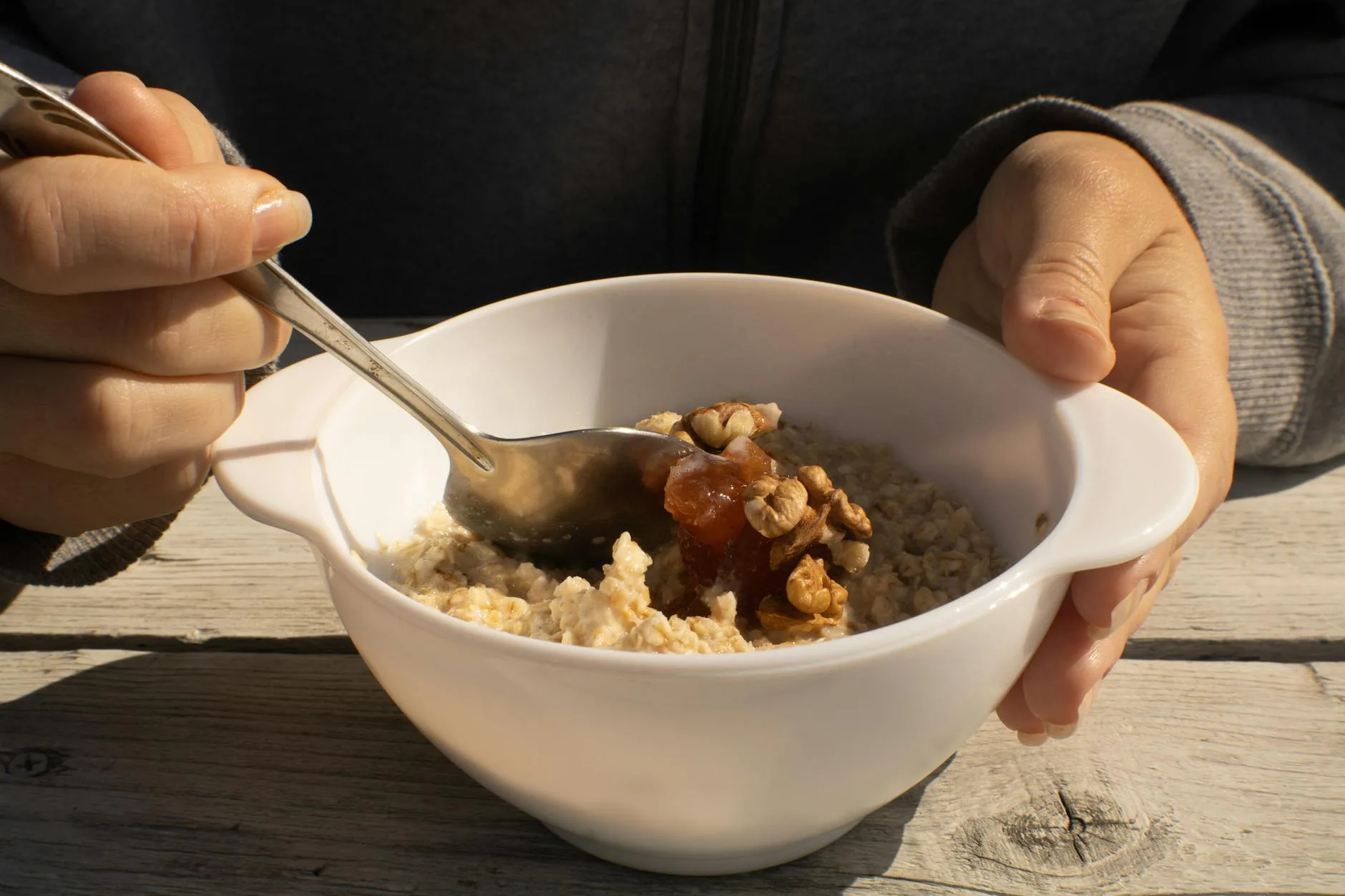
Porridge with Trail Mix
The unbeatable camping breakfast. Ready in 5 minutes, endlessly variable.
- Add 50g oats per person to your pot with 200ml water (or 150ml water + 50ml powdered milk reconstituted)
- Bring to a gentle simmer, stirring constantly for 3-4 minutes
- Remove from heat, add a handful of trail mix (nuts, raisins, chocolate chips)
- Drizzle with honey from a small squeeze bottle
- Optionally add a tablespoon of peanut butter for extra staying power
Cooked Breakfast Hash
For mornings when you have more time and want something savoury.
- Slice pre-cooked sausage or chorizo into your pot with oil
- Add diced potato (pre-par-boiled at home and packed in a ziplock — lasts a day)
- Fry until golden (5-7 minutes, stirring occasionally)
- Crack an egg on top, put the lid on, cook for 3-4 minutes until egg is set
- Season with salt, pepper, hot sauce if you packed it
Tips for Cooking at Altitude and in Bad Weather
Altitude Adjustments
Water boils at lower temperatures as altitude increases. Above 600m (relevant for Scottish Munros and some Welsh peaks):
- Cooking times increase — pasta takes 2-3 minutes longer, rice can take 5+ minutes extra
- Boiling water isn’t as hot — at 1,000m, water boils at about 97°C instead of 100°C
- Use a lid — traps heat and reduces fuel use by up to 25%
- Favour fast-cooking ingredients — couscous and instant noodles are altitude-proof
Wind Protection
Wind is the biggest fuel waster and cooking frustration outdoors. According to the BMC mountain safety guidance, cooking in exposed locations wastes fuel and increases accident risk.
- Use a windscreen — foil windscreens add grams but save minutes and significant fuel
- Cook in the vestibule — tent vestibules provide wind protection (never cook inside the tent)
- Find natural shelter — a stone wall, boulder, or hillside breaks wind well
- Lower your stove — ground-level cooking is less affected by wind than bench-height
Rain Cooking
- Vestibule cooking works in persistent rain — leave the outer door open for ventilation
- Tarp shelters — string a tarp between trees for a dedicated cooking shelter
- Pre-prepared ingredients — do all cutting and measuring before the rain arrives. Nobody wants to dice onions in a downpour
Food Safety on the Trail
Temperature Guidelines
- Cooked meat without refrigeration: consume within 2 hours (or 1 hour if over 30°C)
- Cured meat (chorizo, salami): 3-5 days without refrigeration — the curing process makes them shelf-stable
- Hard cheese: 3-4 days without refrigeration (wax-coated lasts longer)
- Eggs: 2-3 days without fridge if UK shop-bought (unwashed shells)
- Opened tinned food: use immediately or within 2 hours
Hygiene in the Wild
- Wash hands before cooking — hand sanitiser works when water isn’t available
- Clean your pot properly — food residue attracts wildlife and breeds bacteria. Use biodegradable soap and scatter grey water at least 30 metres from water sources
- Hang food or use bear canisters — not for bears (UK doesn’t have them) but for rodents, foxes, and badgers who’ll chew through your rucksack for chorizo at 3am
Meal Planning for Multi-Day Trips
Day-by-Day Structure
For a 3-day weekend trip, plan it backwards from weight and freshness:
Day 1 (heaviest pack, freshest food):
- Use any perishables (fresh bread, cheese, eggs, pre-cooked meat)
- Heaviest meal tonight (tinned ingredients if you’re carrying them)
Day 2 (mid-weight):
- Cured meats, hard cheese still fine
- Switch to dried/instant ingredients for main meals
Day 3 (lightest pack):
- All dried/instant ingredients
- Quick-cook meals for the final push home
Calorie Budgeting
Aim for roughly:
- Breakfast: 500-700 calories (porridge + nuts + peanut butter hits this easily)
- Lunch: 600-800 calories (wraps with cured meat and cheese, or energy-dense trail mix)
- Dinner: 800-1,000 calories (pasta + chorizo + olive oil gets you there)
- Snacks: 400-600 calories spread through the day (chocolate, nuts, flapjack)
Total: 2,300-3,100 calories per day. Adjust upward for cold weather, heavy loads, or hilly terrain.
Pre-Trip Prep
Thirty minutes at home saves hours on the trail:
- Pre-measure dry ingredients into individual meal ziplock bags (labelled)
- Mix spice blends and decant into tiny bags
- Portion olive oil into small bottles (lightweight Nalgene bottles work perfectly)
- Pre-grate parmesan into a ziplock
- Break pasta into pot-sized lengths (saves fighting with spaghetti in a 750ml pot)
Frequently Asked Questions
What’s the lightest one-pot camping meal? Couscous with olive oil, dried herbs, and sundried tomatoes. Total dry weight for one person is about 150g, it requires only boiling water (no simmering), and it’s ready in 5 minutes. For more calories per gram, add peanut butter or a sachet of mayonnaise — both pack extremely well and don’t need refrigeration.
How much fuel do I need for a weekend of one-pot cooking? For a typical 2-night trip cooking two hot meals per day, a 100g gas canister is usually enough for one person (roughly 6-8 boil cycles). Factor in breakfast porridge and evening meals that need simmering. A 230g canister covers most 3-4 night trips comfortably. Wind protection and using a lid reduce fuel consumption by 20-30%. Our How to Filter Water While Hiking in the UK guide is useful alongside this.
Can I eat well while wild camping in the UK? You can eat very well. The recipes above use ingredients available from any UK supermarket, packed into small bags at home. The key is planning variety — pasta one night, rice the next, couscous the third. Pack a few luxury items (parmesan, chorizo, good chocolate) that weigh little but make meals feel special rather than survivalist.
What one-pot is best for camping cooking? For solo backpacking, a 900ml hard-anodised aluminium pot with a lid is ideal — light enough to carry, large enough for full meals, and distributes heat well for simmering. For couples or car camping, a 1.5-2L pot gives more flexibility. Avoid non-stick coatings if you’re cooking over open fires — they degrade with direct flame.
How do I clean my pot on the trail? Scrape food residue immediately after eating (much easier before it dries). Add hot water, a drop of biodegradable soap, and scrub with a small sponge or handful of grass. Rinse thoroughly and scatter grey water at least 30 metres from streams and lakes. Never wash cookware directly in natural water sources.