You’ve finally convinced the family to go camping. The tent’s ordered, the sleeping bags are dug out from the garage, and everyone’s cautiously excited — until you open Google Maps and realise there are roughly 3,000 campsites in England alone. Half of them look identical. The reviews are contradictory. One says “peaceful rural retreat” while another says “rave music until 3am.” You close the laptop and wonder if a Travelodge might be easier.
It doesn’t have to be this stressful. Picking the right campsite comes down to knowing what actually matters to you — and what the glossy photos on a booking page won’t tell you. After plenty of nights spent on sloping ground next to overflowing bins (and a few genuinely brilliant spots that made it all worthwhile), here’s what I look for every time.
Work Out What Kind of Camper You Are
This sounds obvious, but most people skip it and end up disappointed. A campsite that’s perfect for a couple wanting peace and quiet will be miserable for a family with three kids under eight — and vice versa. Before you even start searching, be honest about what you need.
- Family camping — you want toilets, showers, a washing-up area, and ideally a playground or activity area. Pitches should be flat and reasonably close to facilities. Sites like those in the Camping and Caravanning Club network are designed for this.
- Couples or solo campers — you might prefer a quieter, smaller site with fewer pitches and more space between them. Wild camping-style sites with minimal facilities can be brilliant if you’re comfortable with a composting loo.
- Group camping — check whether the site allows groups and whether there’s a designated area. Nothing creates tension faster than a group of eight trying to squeeze onto two standard pitches.
- Dog owners — some sites ban dogs entirely. Others restrict them to certain fields. Check before you book, and look for sites with nearby walking routes so your dog isn’t just pacing around a pitch all weekend.
If you’re new to camping altogether, our beginner’s guide to choosing a tent covers the gear side of things — but the campsite you pick matters just as much as the kit you bring.
Location: Think Beyond the Pretty Photos
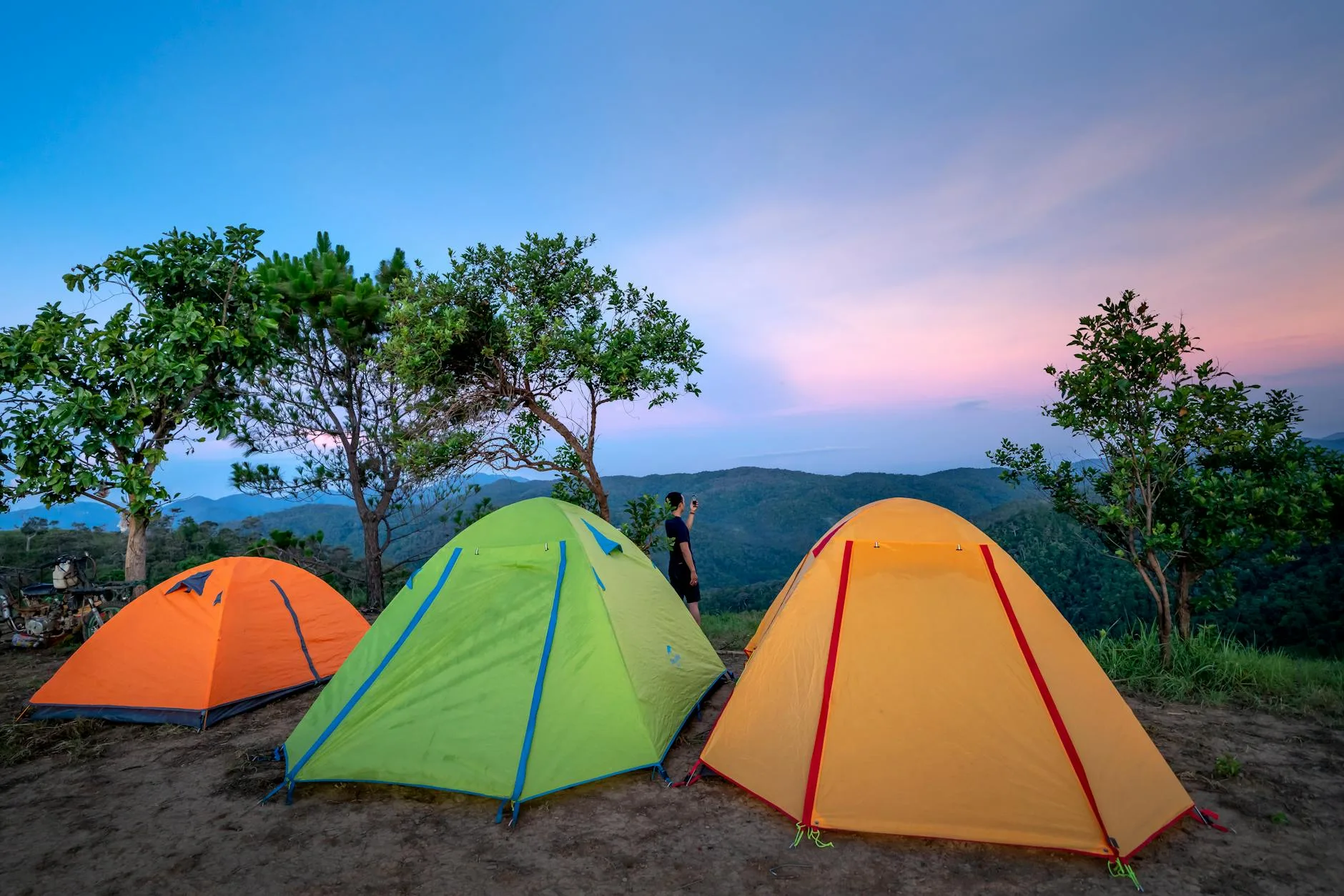
Every campsite website has a hero shot of rolling hills at sunset. What they don’t show you is the A-road 200 metres away or the sewage works downwind. Location is everything, and it’s worth spending ten minutes on Google Maps satellite view before you book.
Proximity to Things You’ll Actually Do
If you’re camping with kids, you need stuff to do when it rains — and in the UK, it will rain. A campsite in the middle of Dartmoor is stunning, but if the nearest village is a 40-minute drive and there’s no pub, you’ll spend a wet Tuesday staring at each other inside a damp tent.
Think about what’s within a 15-20 minute drive:
- A decent pub that serves food (your backup kitchen when the stove plays up)
- A village shop for the milk and bread you’ll inevitably forget
- A beach, lake, or river for swimming or messing about in
- Walking trails suitable for your group’s ability
- A town with a café and some shops for rainy-day refuge
Terrain and Shelter
Coastal campsites look gorgeous in photos but can be brutally exposed to wind. A Force 5 gust hitting a tent on an open clifftop at 2am is an experience you only need once. Look for sites with natural shelter — hedgerows, woodland edges, or valley positions that break the wind.
Altitude matters too. A hilltop site in the Lake District will be several degrees colder than one in the valley. In summer that’s refreshing; in April it’s miserable. The Met Office’s mountain weather forecast is worth checking if you’re camping above 300 metres.
Facilities: What You Actually Need vs What Sounds Nice
Campsite listings love to boast about facilities. “On-site shop, laundry room, games room, BBQ area, nature trail.” In practice, the shop sells overpriced firelighters, the games room has a broken table tennis table, and the laundry room hasn’t worked since 2019. Focus on the essentials. For a related angle, see our Vango vs Outwell vs Coleman: Family Tent Brands Compared guide.
The Non-Negotiables
For most people, these are the facilities that make or break a camping trip:
- Clean toilets and showers — this is number one. Read the recent reviews (not the ones from five years ago). If multiple people mention dirty facilities, believe them. Some sites charge for showers (usually 20p-50p for a few minutes), so bring coins.
- Drinking water taps — should be within reasonable walking distance of your pitch. Carrying a full 10-litre water container 400 metres across a field gets old fast.
- Waste disposal — bins, recycling, and a chemical disposal point if relevant. Overflowing bins attract vermin and wasps, and they’re a reliable indicator of how well a site is managed.
- Level pitches — sleeping on a slope is the single most common reason first-timers hate camping. If the site doesn’t mention level ground and the photos show dramatic hillsides, ask before you book.
Nice-to-Haves
- Electric hook-up (EHU) — pitches with 16A hook-up typically cost £3-8 extra per night. Worth it if you want to charge phones, run a small fridge, or use an electric heater in cooler months. Not every pitch will have one, so book early.
- Campfires allowed — this is a dealbreaker for some people. Many UK sites ban ground fires but allow raised fire pits. Some ban fires entirely. If sitting around a fire is part of your camping dream, filter for it upfront.
- Wi-Fi — most campsite Wi-Fi is terrible. If you need to work or your teenager can’t survive 48 hours without TikTok, check your phone signal strength on a coverage checker before relying on the site’s “free Wi-Fi.”
Pitch Types: Know What You’re Booking
Not all pitches are equal, and the difference between a £12 and a £35 per night pitch is often more about what’s included than the view.
- Standard grass pitch — the classic. A marked or unmarked area on a field. You bring everything. These run about £12-25 per night depending on location and season.
- Hardstanding pitch — a gravel or paved area, mainly for caravans and motorhomes but some tent campers prefer them in winter to avoid muddy ground. Usually £15-30 per night.
- Premium or named pitches — larger, often with better views, more privacy, or their own fire pit. These can run £25-45 per night at popular sites. Worth it for a special weekend, but you’re paying for the Instagram factor.
- Bell tent or glamping pitch — the tent is already there and set up when you arrive, often with real beds, rugs, and fairy lights. Expect £60-150 per night. A different experience entirely — closer to a holiday let than camping.
If you’re bringing your own tent and want to keep costs down, a standard grass pitch is perfectly fine. Just make sure you know the maximum tent size allowed — some pitches are designed for two-person backpacking tents and won’t fit a family six-berth.
Reading Reviews: The Skill Nobody Teaches You
Campsite reviews are an art form in themselves. A site with 4.2 stars on Google from 800 reviews is probably decent. A site with 4.9 stars from 12 reviews might just have enthusiastic owners. Here’s how to read between the lines.
Ignore the one-star reviews that complain about rain. That’s not the campsite’s fault. Ignore the five-star reviews that say “perfect in every way!” with no detail — they’re probably the owner’s mum.
Focus on three- and four-star reviews. These are people who mostly enjoyed their stay but mention specific issues: “showers were a bit dated but clean,” “road noise at night from the west field,” “the pitch near the stream flooded after rain.” This is the useful information. It tells you what to expect and which pitch to request.
Look for reviews from people like you. If you’re going with toddlers, find a review from someone who went with toddlers. Their priorities match yours.
Where to Look
- Google Maps reviews — the highest volume and most recent
- Pitchup.com — verified reviews from people who actually booked through the site
- Cool Camping — curated listings with editorial reviews (they only list sites they like, so there’s a positive bias)
- UK Campsite — the old-school forum where experienced campers share detailed reports
When to Go: Timing Changes Everything
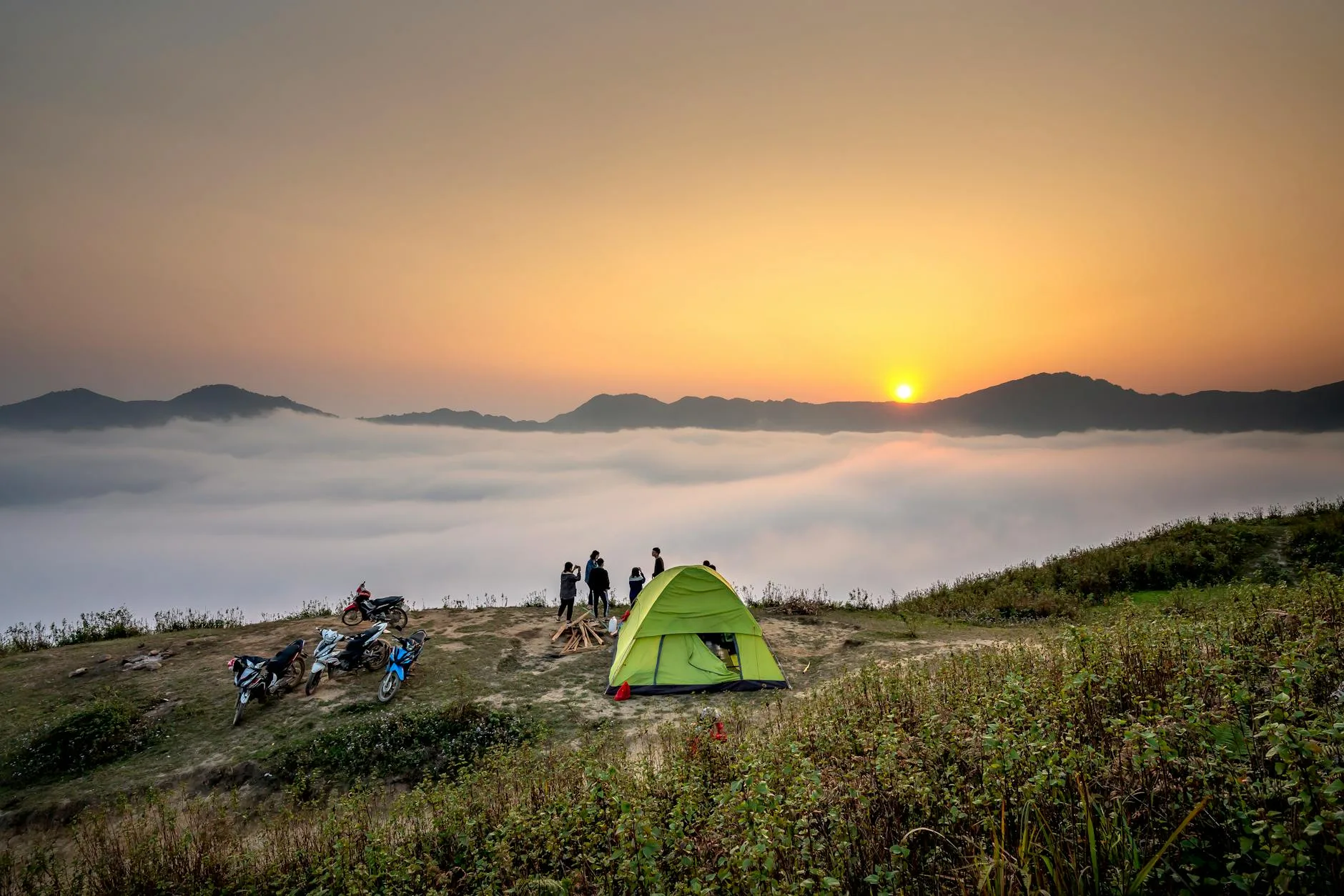
The same campsite can be two entirely different experiences depending on when you visit.
School holidays (late July to August) are when most family sites hit maximum capacity. Prices peak, pitches are packed closer together, and the shower block has a queue at 8am. If you can avoid school holidays, do. The last two weeks of June and the first two weeks of September are often the sweet spot — decent weather, fewer people, and lower prices.
Bank holiday weekends are the busiest three days of the year at most sites. If you want a popular campsite on a bank holiday, book months in advance. Some sites are fully booked by February for the May bank holidays.
Shoulder season (April-May and September-October) can be brilliant. The countryside is beautiful, the sites are quiet, and pitches are often half the summer price. But you need better gear — nights can drop to 2-4°C in April. If you haven’t sorted your sleeping setup yet, our guide to the best tents for UK camping covers what works in cooler conditions.
Winter camping is a thing, but it’s a niche thing. Most sites close from November to March. The ones that stay open tend to be the well-run year-round sites — and they’re often surprisingly lovely in winter. Just bring a four-season sleeping bag and a hot water bottle.
Booking Practicalities
A few practical things that catch people out:
- Minimum stays — many popular sites require two-night minimum bookings at weekends, and three-night minimums over bank holidays. Friday-to-Sunday is the standard weekend stay.
- Arrival and departure times — most sites let you arrive from midday or 1pm and ask you to leave by 11am. Some charge for early arrival or late departure. Factor in travel time — arriving at a campsite in the dark to pitch a tent you’ve never put up before is not the relaxing start you’re imagining.
- Cancellation policies — these vary wildly. Some sites offer full refunds up to 14 days before arrival. Others are non-refundable from the moment you book. With British weather being what it is, flexible cancellation is worth paying slightly more for.
- Quiet hours — most sites enforce quiet hours from 10pm or 11pm. If you want to stay up late around a fire, check the rules. If you want guaranteed silence, look for “adults only” or “tranquil” sites that enforce it strictly.
- Car access — some sites let you park next to your pitch, others have a separate car park and you carry your gear across a field. If you’re bringing a car-load of equipment (and with UK camping, you probably are), parking next to the pitch saves an enormous amount of hassle.
Wild Camping: The Free Alternative
If you want to skip the booking sites entirely, wild camping is legal in Scotland and parts of Dartmoor, though the rules have been contested recently. In England and Wales, it’s technically trespass unless you have the landowner’s permission — but responsible wild camping in remote areas is widely tolerated.
Wild camping suits experienced campers who are comfortable without any facilities and practise leave-no-trace principles. It’s not really a substitute for a campsite if you’re going with kids or if you need showers and toilets. Our complete guide to wild camping in the UK goes into the legal details and practical tips if you’re curious.
Red Flags to Watch For
After a few years of booking campsites around the UK, these are the warning signs I’ve learned to spot:
- No recent photos — if the website only has photos from 2018, there’s a reason. Things deteriorate. Ask for current photos or check Google Maps Street View.
- “Under new management” — sometimes this means exciting improvements. Often it means the previous owners let it slide and the new ones haven’t caught up yet. Check recent reviews specifically post-changeover.
- Unusually cheap prices in peak season — if a Lake District campsite is charging £8 per night in August, something is off. Either it’s extremely basic, in a terrible location, or the listing is out of date.
- No clear pitch map — good sites show you where each pitch is, what size it is, and what’s nearby. If you’re just told “we’ll allocate you a pitch on arrival,” you might end up next to the toilet block or on the slope everyone else avoided.
- Reviews mentioning antisocial behaviour — one mention is a one-off. Three or more mentions of noise, aggression, or groups causing trouble is a pattern. Move on.
The Decision Shortcut
If you’re overwhelmed and just want a reliable campsite without hours of research, here’s the cheat code: look for sites that are members of the Camping and Caravanning Club or the Caravan and Motorhome Club. They maintain quality standards, have inspected facilities, and the reviews are generally trustworthy. You’ll pay a membership fee (about £40-45 per year) but the peace of mind and consistent quality is worth it, especially when you’re starting out.
For something with more character, search on Cool Camping or Pitchup with your essential filters applied. Sort by review score, read a few three-star reviews, check the location on satellite view, and book the one that feels right.
If you’re still building your camping kit alongside choosing a site, our guide to cooking gear for beginners covers the essentials you’ll need once you’ve arrived — because a beautiful campsite doesn’t count for much if you can’t make a cup of tea.
Camping in the UK is one of those things that can be brilliant or terrible, with very little in between. The difference almost always comes down to the campsite. Spend an hour choosing well and you’ll save yourself a weekend of wishing you’d stayed home.
Frequently Asked Questions
What tent size should I buy? For comfort, choose one berth bigger than the number of sleepers. Two people usually do better in a three-person tent, especially with bags and wet kit.
What matters most for UK camping? Waterproofing, wind stability and easy pitching matter more than headline features. UK weather punishes flimsy poles and poor ventilation quickly.
How do I avoid condensation in a tent? Keep vents open, avoid cooking inside, and do not press sleeping bags against the flysheet. A footprint also helps reduce ground moisture.
What should I check first with How to Choose a Campsite in the? Start with the real use case, then check size, compatibility, running costs and maintenance. A product that looks good on paper can still be the wrong fit if it does not suit the room, routine or budget.
How do I avoid wasting money on How to Choose a Campsite in the? Avoid buying on one headline feature alone. Compare the practical details, read the warranty or returns terms, and choose the option that solves your main problem rather than the one with the longest specification list.