There’s a particular kind of optimism that hits first-time campers in the outdoor shop. You walk in planning to buy a stove and a pan, and you walk out with a 47-piece mess kit, a cast iron Dutch oven, a folding toaster, a spice rack that clips to your rucksack, and a coffee percolator that weighs more than your tent. After years of camping trips across the UK, from Dartmoor wild camps to family sites in the Lake District, we’ve refined our kit list down to what actually matters. Then you get to the campsite and cook beans on toast. The Food Standards Agency has useful guidance on safe outdoor cooking. The Food Standards Agency has useful guidance on safe outdoor cooking too.
The truth about camping cooking gear is that you need far less than you think. A decent stove, one or two pots, basic utensils, and something to eat off — that’s genuinely it for most camping trips. Everything else is either a luxury, a gimmick, or something that’ll sit in your garage after one use.
Here’s what to actually buy, what to skip, and how to avoid the expensive mistakes that every beginner makes. And if you’re still choosing your shelter, our tent buying guide is worth reading first.
Stoves: The Only Decision That Really Matters
Your stove choice defines your entire camping cooking experience. Get this right and everything else falls into place.
Canister Stoves (Best for Most Beginners)
These screw onto the top of a threaded gas canister (the short, squat ones you see everywhere) and provide instant, adjustable heat. Think of them as a portable gas hob.
How they work: Butane/propane mix in a pressurised canister feeds through a valve to a burner. Light it, adjust the flame, cook. Turn it off when done.
Pros:
- Dead simple to use — really no learning curve
- Lightweight (stove head: 70-150g)
- Fast boil times (3-5 minutes for 1 litre)
- Flame is adjustable from simmer to full blast
- No priming, pumping, or maintenance
Cons:
- Canisters aren’t refillable — you bin them when empty (recycle if your council accepts pressurised containers)
- Performance drops in cold weather (below 5°C) and at altitude — the gas mix struggles to vaporise
- Ongoing canister cost (£3-6 per 230g canister, each lasting 2-4 meals depending on cooking)
- Tall centre of gravity with a pan on top — can be tippy on uneven ground
Best picks for UK camping:
- MSR PocketRocket 2 (£45-50) — the benchmark. 73g, boils a litre in 3.5 minutes, folds flat. Hard to beat
- Jetboil Flash (£100-120) — integrated stove + pot system, incredibly efficient, boils in 100 seconds. Brilliant for solo or couples
- Fire-Maple FMS-300T (£25-30) — budget pick that performs surprisingly well
Two-Burner Stoves (Car Camping)
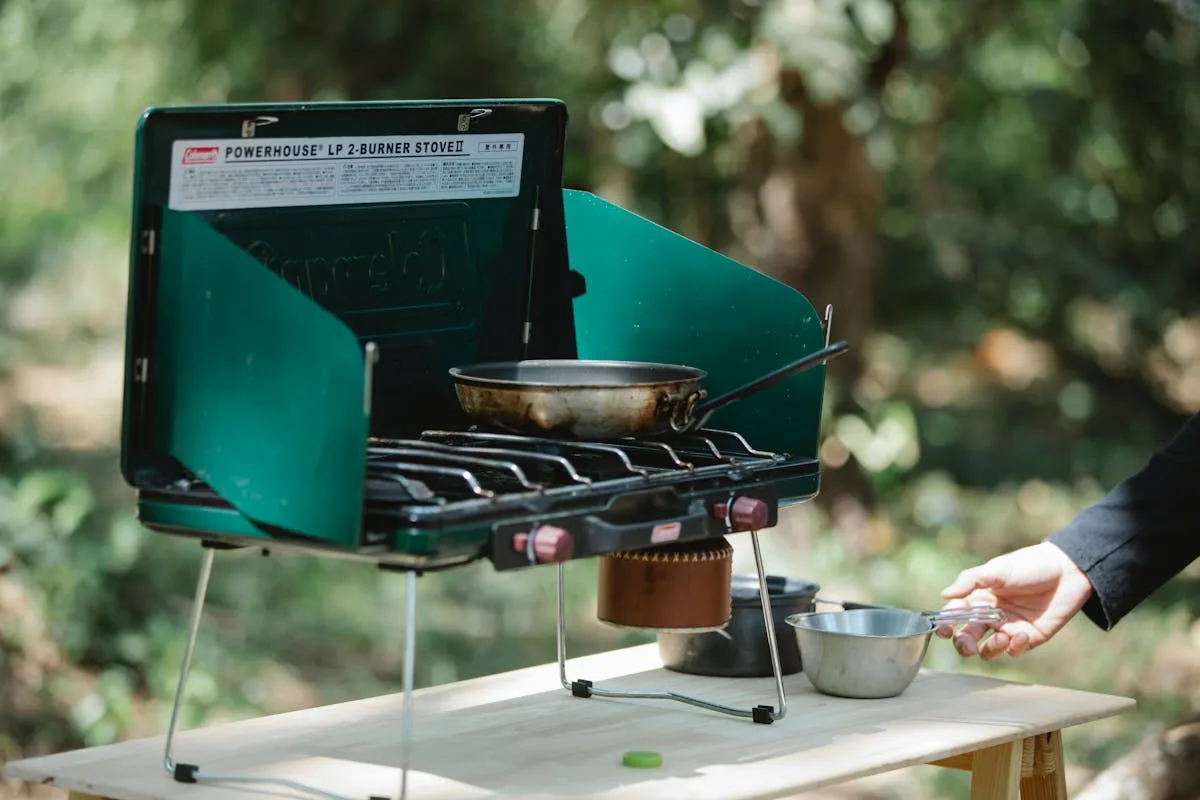
If you’re driving to a campsite and cooking for a family, a two-burner stove changes the game. You can boil water for pasta on one side while heating sauce on the other — actual cooking, not just heating one thing at a time.
How they work: Run off larger, refillable butane or propane gas canisters (the CP250 cartridges or bayonet-fit canisters). Set them on a picnic table or flat surface.
Pros:
- Two burners — cook multiple things simultaneously
- Stable, flat cooking surface (no balancing acts)
- Wind shields built in on most models
- Cheap gas — CP250 cartridges cost £1-2 each
- Can handle full-size pans from home
Cons:
- Big and heavy (2-4kg) — car camping only
- Not suitable for wild camping or backpacking
- Need a flat, stable surface
Best picks:
- Campingaz Camp Bistro 3 (£35-45) — single burner but incredibly stable and wind-resistant. The UK campsite workhorse
- Coleman Fyrestorm 2 (£60-80) — genuine two-burner, good wind protection
- Campingaz Camping Kitchen 2 CV (£55-70) — two burners with a decent simmer function
Alternatives Worth Knowing About
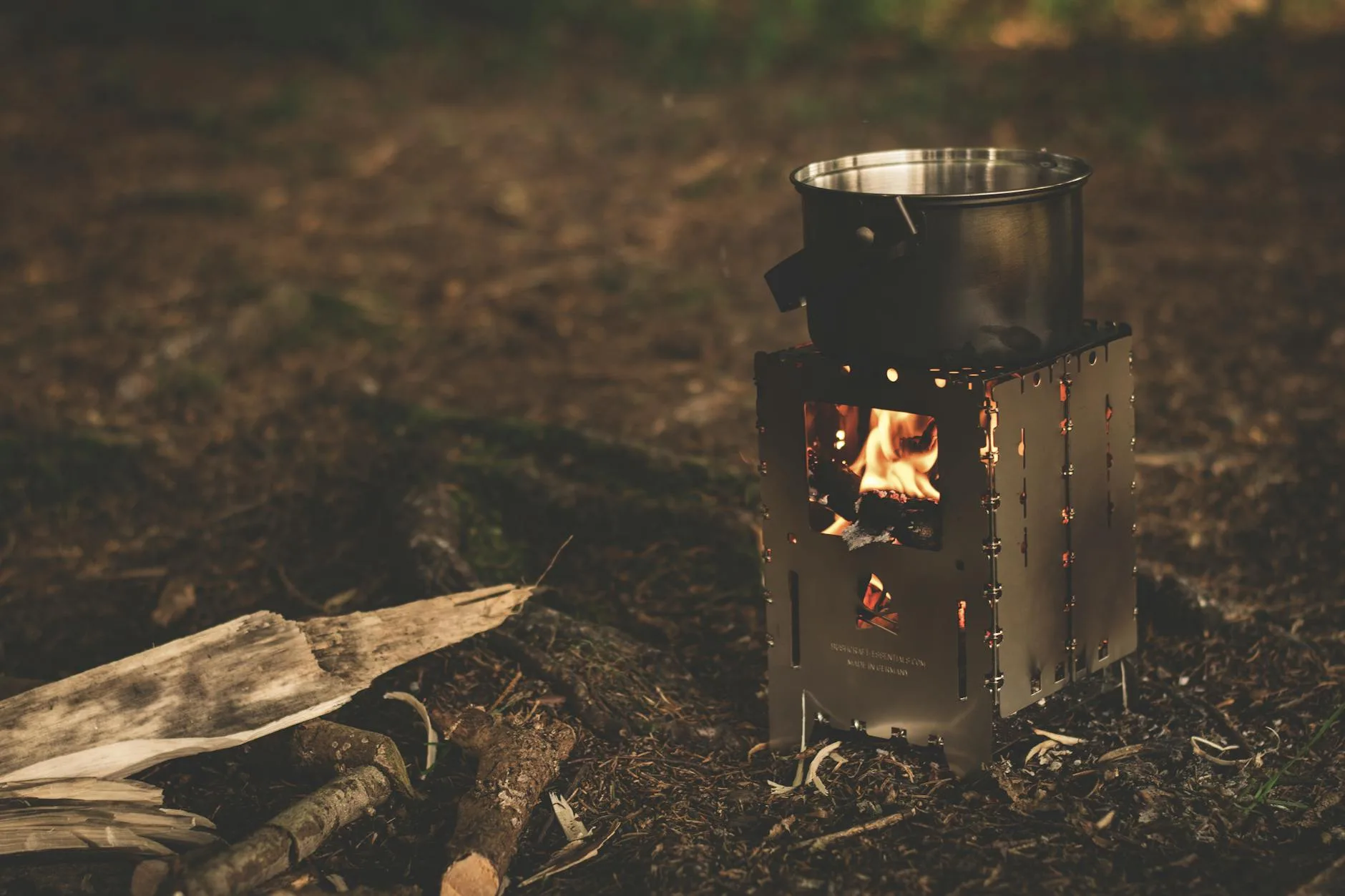
Trangia: A Swedish alcohol stove system with a cult following. The burner uses methylated spirits (£3-4 per litre from any hardware shop). It’s wind-proof, silent, and virtually indestructible. Slower than gas but incredibly reliable. The Trangia 25 (for 3-4 people) or Trangia 27 (for 1-2) are complete cooking systems — stove, windshield, pots, pan, all nesting together. Around £60-90.
Wood-burning stoves: BioLite, Firebox, and similar. Use twigs and sticks as fuel — free and always available. Romantic idea, fiddly reality: they need constant feeding, produce smoke, and are banned on many UK campsites. Fun as a backup, not practical as your only stove. For a related angle, see our How to Dry Wet Hiking Gear in Camp guide.
Disposable BBQs: For cooking burgers and sausages at a campsite, fine. For actual meal preparation, useless. Also an environmental headache — don’t leave them on the ground (they scorch grass and take years to decompose).
Cookware: Less Is More
The Starter Set
For most camping trips (2-4 people, car camping), you need:
- One large pot (1.5-2L) — for boiling water, cooking pasta, heating soup, making stews
- One frying pan or skillet (20-24cm) — for bacon, eggs, pancakes, stir-fries
- One small pot or kettle (0.8-1L) — for tea, coffee, or a side dish
That’s it. Three pieces of cookware cover 95% of campsite meals.
Materials
Aluminium (best for beginners):
- Lightweight and cheap
- Heats quickly and evenly
- Non-stick coatings available (much easier to clean at a campsite)
- Dents if you’re rough with it
- Budget sets: £15-30 for a pot + pan
Stainless steel:
- Tougher than aluminium
- No coating to scratch off
- Heavier
- Food sticks without oil (harder to clean with limited water)
- Mid-range: £25-50
Titanium:
- Ultralight (a titanium pot weighs 40-60% less than aluminium)
- Incredibly tough
- Expensive — a single titanium pot costs £30-60
- Hot spots can burn food
- Worth it for backpacking, overkill for car camping
What to Actually Buy
Car camping (drive to a campsite): ? Bring a pot and pan from home for your first few trips. Your kitchen pans work fine on a camping stove. Once you know what you actually cook at camp, buy dedicated gear. Our Best Camping Hammocks 2026 UK: Lightweight & Packable guide is useful alongside this.
If you want a proper camping set:
- Vango Gourmet Cook Set (£25-35) — two pots, frying pan, lids that double as plates. Solid starter kit
- Stanley Adventure Cook Set (£25-30) — stainless steel, nesting, built to last decades
Backpacking/hiking: Weight matters. Go minimal:
- MSR Trail Mini Solo (£35-40) — 750ml pot, lid, handle. 230g total
- TOAKS Titanium 750ml (£30-40) — ultralight at 103g
Utensils and Extras
Essential
- Spork or fork+spoon combo — one per person. Light My Fire spork (£3) is the classic
- Sharp knife — a small folding knife or a fixed-blade kitchen knife in a sheath. You’ll use it constantly
- Chopping board — a flexible plastic sheet (£2) rolls up and weighs nothing
- Lighter or matches — at least two, in waterproof packaging. Lighters are more reliable than matches in UK wind
- Washing up supplies — small bottle of biodegradable soap, a sponge, a microfibre cloth. Don’t use regular washing up liquid near waterways
Useful But Not Essential
- Coolbox — essential for fresh meat, dairy, and drinks in summer. A 20-30L passive coolbox with ice blocks keeps food safe for 2-3 days. Don’t rely on the cheap styrofoam ones — invest £20-40 in a proper one
- Water bottle or hydration bladder — for drinking and cooking water
- Headtorch — for cooking after dark (and you will cook after dark). Petzl Tikkina (£20) or similar
- Tin foil — wrapping food for the fire, makeshift lids, baking potatoes in embers
- Ziplock bags — pre-measured ingredients, leftovers, keeping things dry
Skip These (For Now)
- Cast iron Dutch oven — weighs 5kg+, takes 30 minutes to heat properly, needs seasoning maintenance. Great for experienced campfire cooks, terrible for beginners
- Camping toaster — those folding wire things that go over a stove. They burn toast on one side and leave it raw on the other. Just hold bread over the stove with tongs
- Camping coffee percolator — unless you’re truly passionate about coffee. A £3 pour-over cone or instant coffee is 90% as good and weighs nothing
- Full cutlery sets — you need a spork and a knife. Everything else is luxury weight
- Egg carriers — crack your eggs into a water bottle or jar before leaving home
Food Storage and Safety
UK summer temperatures can reach 25-30°C, and food poisoning ruins camping trips faster than rain.
The rules:
- Raw meat below 5°C — a coolbox with frozen ice blocks manages this for 1-2 days. After that, switch to tinned, dried, or pre-cooked food
- Separate raw and cooked — different containers, different chopping surfaces
- Cook meat thoroughly — no medium-rare camp burgers, however tempting. Without a meat thermometer, cut chicken/pork open to check
- Wash hands before cooking — hand sanitiser or biodegradable soap
- Don’t leave food out — animals, insects, and warm temperatures. Store food in sealed containers, in a vehicle if possible
Bear boxes and animal-proof storage: Not needed in the UK (we don’t have bears), but foxes, badgers, and seagulls will investigate unattended food. Keep everything sealed and off the ground.
Washing Up
The unglamorous reality of camp cooking. You’ve eaten a brilliant one-pot stew, it’s getting dark, and now there’s a greasy pan to deal with.
Method: 1. Scrape food remnants into a bin bag (not onto the ground — Leave No Trace) 2. Heat a small amount of water in the pot (warm water + a drop of biodegradable soap beats cold water + elbow grease) 3. Use a sponge or scraper — avoid steel wool on non-stick coatings 4. Rinse with clean water 5. Dispose of grey water at least 30 metres from any water source (river, lake, stream) 6. Dry with a microfibre cloth or leave to air dry
Tip: Wipe pans with kitchen paper immediately after cooking, before food dries. This halves the washing up effort.
Budget Guide
Under £50 (The Bare Minimum)
- Stove: Fire-Maple FMS-300T (£25-30)
- Gas: 2x 230g canisters (£6-10)
- Cookware: Bring pots from home
- Utensils: Spork + existing kitchen knife
- Total: £35-40 plus food
£50-100 (The Smart Starter Kit)
- Stove: MSR PocketRocket 2 (£45-50)
- Gas: 2x canisters (£6-10)
- Cookware: Vango Gourmet Cook Set (£25-35)
- Utensils: Light My Fire spork set (£8)
- Coolbox: Basic 20L (£15-25)
- Total: £95-125
£100-200 (The Comfortable Setup)
- Stove: Jetboil Flash (£100-120) or two-burner (£55-70)
- Gas: 4x canisters (£12-20)
- Cookware: Dedicated camping set (£25-50)
- Utensils: Good knife + sporks + chopping board (£20)
- Coolbox: Quality 25L with ice blocks (£30-40)
- Total: £160-200
Meal Planning for a Weekend Camp
Planning meals in advance saves weight, reduces waste, and means you spend less time faffing with food and more time enjoying the outdoors. Here’s a practical approach for a two-night camping trip. We cover a similar decision in Best Base Layers 2026 UK: Merino Wool & Synthetic.
Pre-prep at home. Chop vegetables, mix marinades, and pre-measure dry ingredients into labelled bags before you leave. This cuts cooking time at camp and reduces the amount of chopping boards and knives you need to bring. Bolognese sauce, chilli, and curry bases all freeze well — freeze them flat in zip-lock bags and they double as ice packs in your cool bag during the drive.
Keep breakfasts simple. Porridge with a handful of dried fruit takes five minutes and one pot. Granola with long-life milk needs no cooking at all. Save your energy (and gas) for evening meals when you’ve got time to enjoy the process. For independent guidance, check Food Standards Agency food safety guidance.
One-pot dinners are your friend. Pasta with a pre-made sauce, couscous with roasted veg, or a simple dhal all cook in a single pot and create minimal washing up. Bring a few spice sachets — smoked paprika, cumin, and chilli flakes transform basic ingredients into something worth eating.
Snacks matter more than you’d think. After a day of hiking or activities, you’ll want something between meals. Trail mix, flapjacks, cheese and crackers, and peanut butter on oatcakes are all calorie-dense, lightweight, and don’t need refrigeration. Budget about 200-300g of snacks per person per day.
Water is the heaviest thing you’ll carry. For car camping, bring large containers (5-10 litres) filled from home. For wild camping, carry a lightweight filter like the Sawyer Mini (£25-30) or purification tablets. Never drink untreated water from streams in the UK — it may look clean but can carry harmful bacteria.
The Bottom Line
First-time campers consistently over-buy cooking gear and under-use what they buy. Start with a reliable stove, one or two pots, and basic utensils. Cook simple meals — one-pot stews, pasta, bacon sandwiches, toasted wraps. Figure out what you actually cook at camp before investing in specialist equipment.
The best camping meals aren’t complicated. They’re warm food eaten outdoors after a day of fresh air, cooked on a stove that took 30 seconds to set up, in a pan you’ll wash in 2 minutes. Everything else is optional.
Frequently Asked Questions
What camping gear should beginners buy first? Start with shelter, sleep system, cooking basics, lighting and waterproof layers. Upgrade comfort items only after you know how you camp.
Is expensive camping gear worth it? Spend more on gear that affects safety, warmth and weather protection. For occasional trips, mid-range kit is often the best value.
What should I check before a trip? Check weather, campsite rules, fuel, batteries, waterproofing and whether every item packs down into the bag or car space you have.
What should I check first with Camping Cooking Gear for Beginners: What You Actually Need? Start with the real use case, then check size, compatibility, running costs and maintenance. A product that looks good on paper can still be the wrong fit if it does not suit the room, routine or budget.
How do I avoid wasting money on Camping Cooking Gear for Beginners: What You Actually Need? Avoid buying on one headline feature alone. Compare the practical details, read the warranty or returns terms, and choose the option that solves your main problem rather than the one with the longest specification list.