You’re in Decathlon on a Saturday afternoon, surrounded by tents that all look vaguely the same, and the price tags range from £40 to £600. The labels mention “3-season,” “geodesic,” and “hydrostatic head 3000” — and you’re starting to think you should’ve just booked a holiday cottage instead. Picking a tent shouldn’t require an engineering degree, but the sheer number of options makes it feel that way.
We’ve tested over 25 models in real UK conditions to help you cut through the marketing. The Met Office camping weather guide is useful for understanding what British weather throws at campers — and it throws a lot. This guide breaks down everything that actually matters so you can walk into Go Outdoors or click “add to basket” on Amazon UK knowing exactly what you need.
Start With How You’ll Use It
Before you look at a single tent, answer three questions. They’ll narrow your options from hundreds to a handful.
Where are you camping? A family pitch at a Caravan and Motorhome Club site in the Cotswolds is a completely different situation from wild camping on the Pennine Way. Car camping means weight barely matters. Backpacking means every gram counts.
How many people are sleeping in it? And be honest — “cosy for four” on the label often means “uncomfortable for three.” More on this shortly.
What time of year? If you’re a fair-weather camper who sticks to June through August, you don’t need a tent that can handle a February storm in Snowdonia. But if you’re out year-round, that cheap festival tent won’t cut it.
Your answers to these three questions determine your budget, size, and spec requirements. Everything else is detail.
Understanding Tent Categories
Backpacking tents prioritise weight and packed size above all else. These accommodate 1-3 people and focus on essential weather protection with lightweight materials like ripstop nylon and aluminium poles. Expect minimal living space, compact packed sizes, and quick setup times — all critical after long hiking days.
Family camping tents offer spacious interiors, multiple rooms, and comfort features for car camping. Standing height, large porches for cooking and gear storage, and robust construction for extended stays are standard. Weight is irrelevant because you’re driving to the pitch.
Festival tents balance ease of setup, durability, and affordability. Pop-up designs, bright colours for finding yours among thousands, and reasonable cost given the likelihood of damage are the priorities. Think of these as disposable shelter rather than a long-term investment.
Mountaineering tents handle extreme conditions with four-season construction, serious wind resistance, and snow-loading capability. If you’re not heading into the Scottish Highlands in January, you probably don’t need one.
Season Ratings and UK Weather
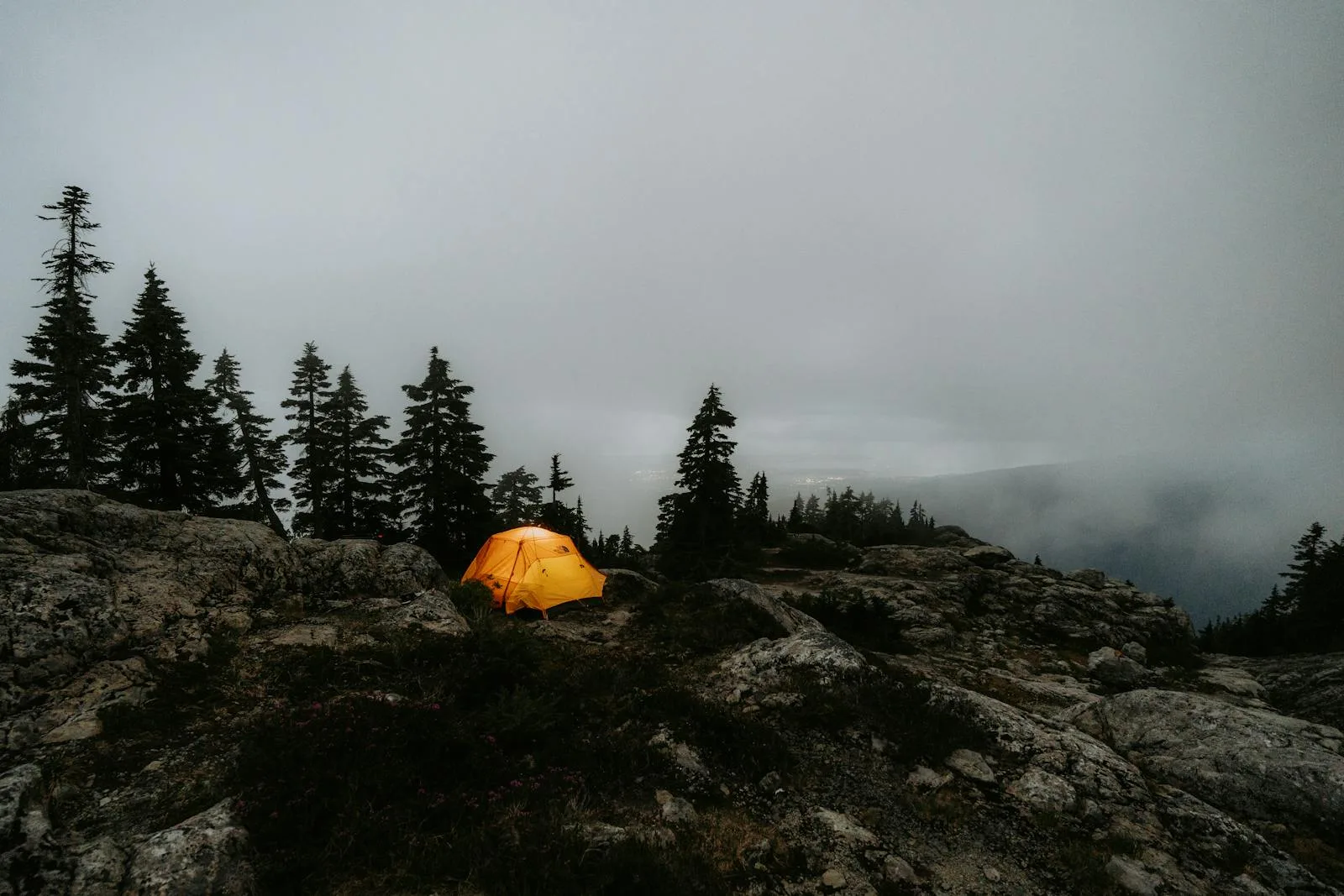
Season ratings tell you what weather conditions a tent can handle. In the UK, this matters more than almost anywhere else because our weather is, to put it diplomatically, unpredictable.
2-season tents (spring/summer) handle light rain and mild winds. Plenty of mesh ventilation, lighter materials, basic waterproofing. The Coleman Sundome (about £60-80) is a solid example — affordable, does the job, won’t survive a proper storm. Think of these as fair-weather friends.
3-season tents (spring/summer/autumn) are what most UK campers should buy. They cover roughly March through October with better waterproofing (hydrostatic head of 3000mm+), sturdier poles, and less mesh. The Vango Nevis series (about £120-200 depending on size) handles British rain without breaking the bank. If you camp two or three times a year, a 3-season tent is the right call.
4-season tents (all year including winter) are engineered for heavy snow loads, high winds, and sub-zero temperatures. The Hilleberg Nallo 2 (about £600-700) is legendary among winter backpackers. Unless you’re wild camping in the UK through winter, you don’t need one — they’re heavier, pricier, and too warm for summer use.
The “3.5-season” grey area: Some manufacturers market tents with beefier poles and better wind resistance as “extended season.” For UK camping where you might occasionally camp in November or early March, these are a smart compromise. The Terra Nova Coshee 2 (about £180-220) fits this category nicely.
Size and Capacity
Here’s the single most important thing nobody tells you about tent sizing: the person count on the label is a lie. Well, not exactly a lie, but it assumes you’re sleeping shoulder-to-shoulder with no gear inside. A “3-person” tent comfortably sleeps two adults with their kit. A “2-person” tent is really a solo tent with room for a rucksack.
The rule of thumb that works every time: add one to the number of people actually sleeping in it.
Berth sizes explained:
- 1-2 person — Solo backpacking or a snug couple. Floor space around 2.2m × 1.2m. Fine for a weekend, claustrophobic for a week.
- 3-4 person — The sweet spot for couples who want room for bags, boots, and a dog. About 2.5m × 2m of floor space. Most popular size sold in the UK.
- 5-6 person — Family territory. Usually features separate sleeping compartments and a decent living area. Car-camping only — you won’t be carrying these anywhere.
- 8+ person — Basically a canvas house. Great for week-long family holidays. Something like the Vango Centara 800 (about £400-500) gives you multiple rooms and standing headroom.
Headroom matters more than you think. If you’re over 170cm, anything under 180cm peak height means you’re hunching over to get dressed. For family tents, look for at least 190cm — your back will thank you after a week in the Lake District. For a related angle, see our Best Camping Cool Boxes 2026 UK: Electric, Passive & Ice guide.
Bedroom layouts also affect comfort. A single large space maximises flexibility but offers no privacy. Separate bedrooms suit families or groups wanting personal space. Convertible layouts let you reconfigure based on who’s on the trip.
Tent Shapes and What They’re Best For
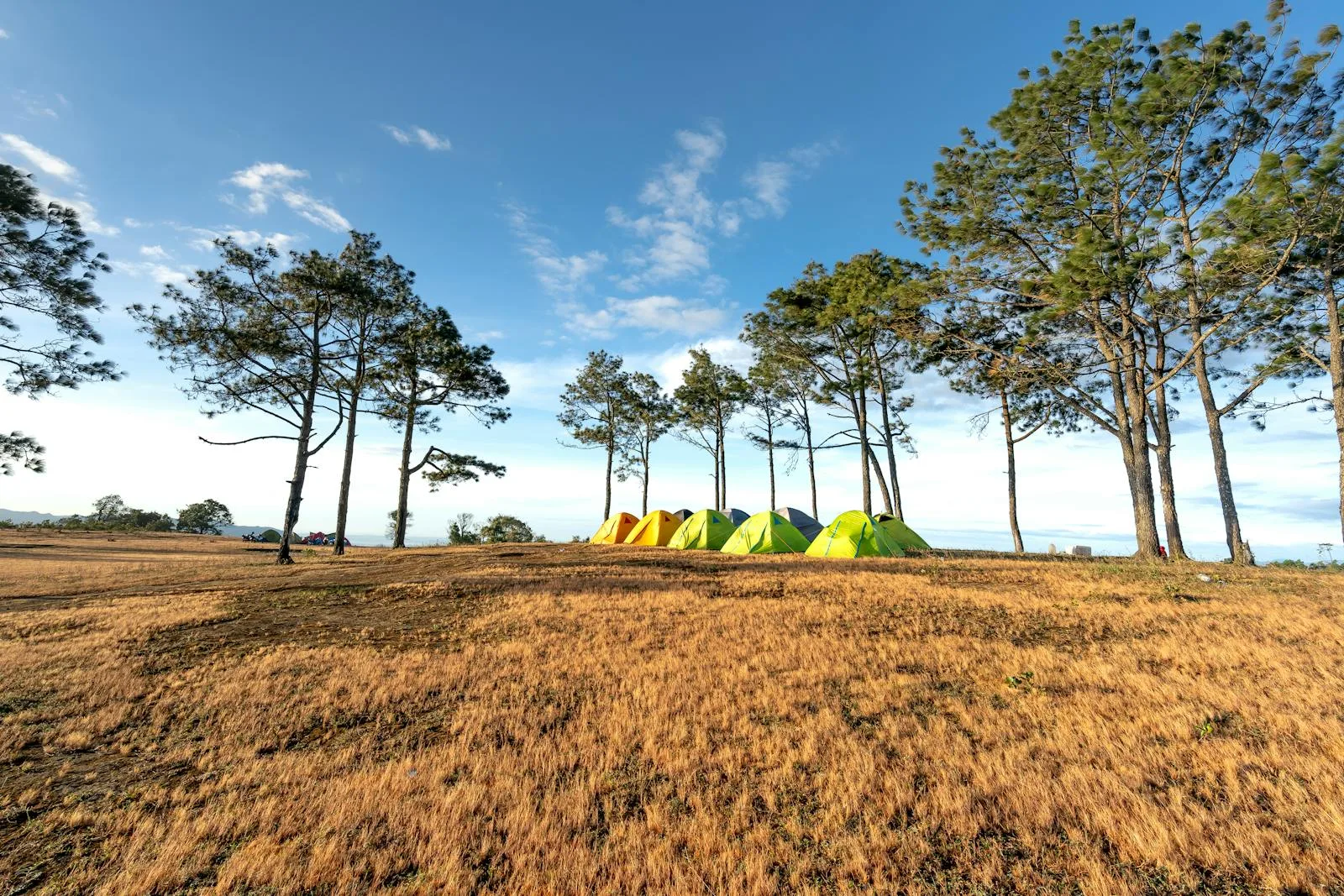
The shape of your tent determines how it handles wind, how much usable space you get inside, and how easy it is to pitch. There’s no universally “best” shape — it depends on your priorities.
Tunnel tents are the most popular design in the UK, and for good reason. Excellent space-to-weight ratio, generous headroom, and easy pitching using flexible poles in parallel hoops. The trade-off: they must face into the wind and need guy ropes to stand properly. Best for family and car camping. The Outwell range (about £200-500) dominates this category.
Dome tents use crossing poles to create a freestanding structure that handles wind from any direction. You can pick them up and move them without un-pegging. They sacrifice some internal volume compared to tunnels, and sloping walls limit usable space near the edges — but for reliability in changeable British weather, they’re hard to beat. Best for backpacking and wild camping. The MSR Hubba Hubba 2 (about £380-420) is a benchmark.
Geodesic tents are dome tents turned up to eleven — multiple poles intersect at several points creating remarkably strong, wind-resistant structures. For most UK camping, they’re overkill: heavy, expensive, and complex to pitch. But for Scottish Highlands winter camping, they earn their keep. Expect to pay £400-800+.
Tipi and bell tents have become popular for glamping and family festival camping. A single central pole creates loads of headroom and a charming aesthetic. The downsides: heavy, bulky, limited weather protection, and the central pole takes up prime real estate. The Boutique Camping 5m Bell Tent (about £300-400) is a popular choice for summer family trips.
Waterproofing and Weather Resistance
Every tent lists a hydrostatic head (HH) rating — it measures how many millimetres of water pressure the fabric can withstand before it leaks. For UK camping, here’s what the numbers mean in practice:
- 1,500mm HH — Bare minimum. Handles light rain but won’t survive a proper British downpour.
- 2,000-3,000mm HH — Adequate for most 3-season UK camping. What you’ll find on mid-range tents from Vango and Coleman.
- 3,000-5,000mm HH — Confident in sustained heavy rain. Quality 3-season and 4-season territory.
- 5,000mm+ HH — Expedition-grade. More than you’ll need on a UK campsite, but reassuring for wild camping in the Highlands.
Don’t forget the groundsheet. The flysheet HH gets all the attention, but sitting and kneeling on a groundsheet puts more pressure on the fabric than rain does on the roof. Look for a groundsheet HH of at least 5,000mm — most decent tents deliver this. Budget tents often skimp here, and that’s where you wake up in a puddle. For independent guidance, check Camping and Caravanning Club advice.
Waterproofing also depends on seam construction. Taped seams come factory-sealed and ready to go. Unsealed seams require you to apply seam sealer before first use — skip this step and you’ll find out the hard way during your first rainy night. Welded seams offer the most permanent waterproof barrier but add to the price.
Materials and Construction
The two main tent fabrics each have trade-offs worth understanding.
Polyester resists UV damage, holds its colour, and doesn’t stretch when wet — meaning your tent stays taut in rain. It’s slightly heavier than nylon but better for tents left pitched for extended stays.
Nylon (including ripstop nylon) is lighter and has higher tear strength, making it the go-to for backpacking tents. The downside: it stretches when wet, so you may need to re-tension guy ropes after rain, and it degrades faster under UV exposure.
Poles affect setup ease, durability, and weight. Fibreglass poles are cheap but heavy and prone to shattering — fine for a £50 festival tent, not ideal for anything you want to last. Aluminium alloy is the standard for mid-range and quality tents, offering a good strength-to-weight ratio. Carbon fibre is ultralight but expensive and can fail without warning.
Ventilation and Condensation
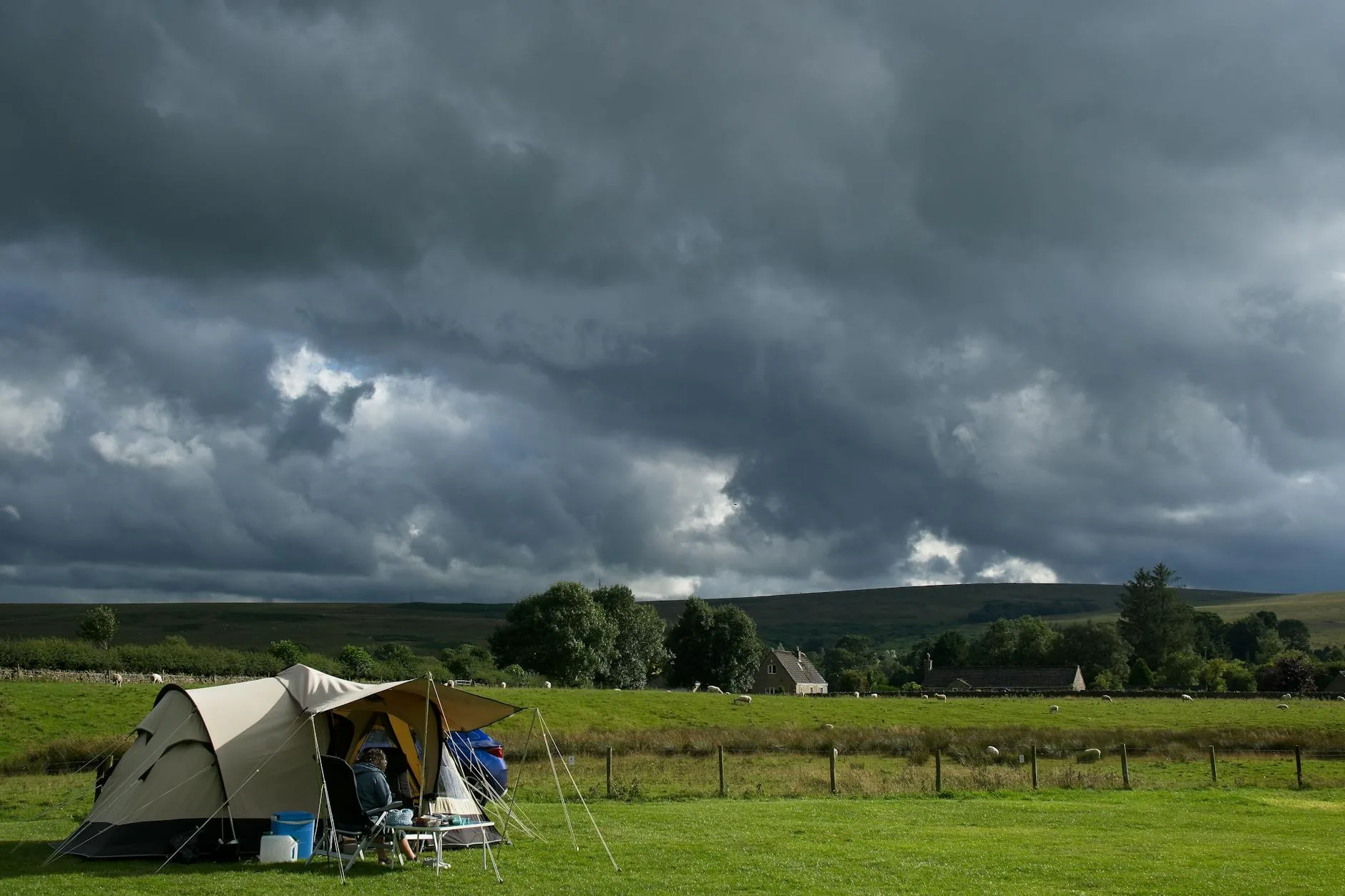
Condensation is the hidden enemy of camping comfort. Warm, moist air from breathing hits cool tent surfaces and creates water droplets that drip back onto you and your gear at 6am. A waterproof tent with poor ventilation creates its own rain.
What increases condensation:
- Sealed tent with poor air circulation
- Cold exterior temperatures
- More people than the tent is designed for
- Wet gear stored inside the tent
What reduces it:
- Adjustable vents near the top of the tent, allowing warm moist air to escape
- Mesh panels for air circulation
- Multiple entry points creating cross-ventilation
- Double-wall construction — the air gap between flysheet and inner tent lets condensation form harmlessly on the flysheet rather than dripping on you
Single-wall tents save weight but make condensation much harder to manage. If you go this route, breathable fabrics and strategic venting become critical.
Features Worth Paying For
Some tent features sound like marketing fluff. Others make a real difference to your camping experience. Here’s what actually earns its money:
- Porch or vestibule — Somewhere to stow muddy boots and wet jackets without bringing them into the sleeping area. In the UK, this is essential. Not optional.
- Multiple doors — If you’re sharing a tent, you don’t want to climb over someone for a 3am toilet trip.
- Darkened bedrooms — Vango’s “Nightfall” fabric and similar tech from other brands block light in practice. If you’ve ever tried to sleep past 5am in a standard tent during June, you’ll understand the appeal.
- Pre-attached inner tent — Pitch the outer and inner together, so nothing gets wet during setup in rain. Brilliant for UK conditions.
- Good ventilation panels — Reduce that clammy morning condensation. Look for adjustable vents near the apex.
- Reflective guy ropes — Prevent you and your neighbours from tripping in the dark.
- Quality zips — YKK or equivalent. Cheap zips jam, stick, and fail at the worst possible moment.
Features that aren’t worth the premium:
- Built-in LED lighting — Buy a £10 clip-on LED from Amazon instead.
- Carpet-compatible groundsheets — Unless you’re buying the carpet too (£40-80 extra), pointless.
- Colour-coded poles — Mildly helpful, but you’ll learn where they go after one pitch anyway.
Budget and Where to Buy in the UK

A decent 3-season tent for two people starts around £100-150. Family 5-person tents run £200-400 for something reliable. Here’s a rough breakdown:
- £60-120 — Basic but functional tents for occasional summer use
- £120-200 — Good quality 3-season tents suitable for regular camping
- £200-400 — Premium recreational tents with advanced features and family sizes
- £400+ — Specialist tents for mountaineering or ultralight backpacking
Don’t forget the hidden costs: a footprint/groundsheet protector (£15-20), decent tent pegs to replace the flimsy ones in the box, and seam sealer if your tent has unsealed seams.
Where to buy:
- Go Outdoors — Best physical selection. Their discount card (£5/year) knocks a third off most tent prices. Worth the trip.
- Decathlon — Excellent own-brand tents at aggressive prices. The Quechua range is hard to beat for value.
- Amazon UK — Convenient and good prices, but you can’t feel the fabric or check the zips. Fine if you know exactly what you want.
- Cotswold Outdoor — Premium brands, knowledgeable staff, and they price-match. Good for trying before buying.
- Alpkit — Direct-to-consumer brand with cracking tents at fair prices. The Ordos 2 (about £250) punches well above its weight for backpacking.
Timing tip: End-of-season sales in September and October can save you 30-50%. Used tents and demo events at outdoor retailers are also worth exploring before committing.
Your UK Tent Buying Checklist
Before you hand over your cash, run through these questions. If you can tick every one, you’ve found the right tent.
- Size: Have you added one to your actual headcount?
- Season rating: Does it match the months you’ll actually camp?
- Shape: Tunnel for space? Dome for wind resistance? Does it suit your typical pitch conditions?
- Waterproofing: Is the flysheet at least 2,000mm HH? Is the groundsheet at least 5,000mm HH?
- Weight: If backpacking, is the total pack weight under 3kg for a 2-person? If car camping, weight barely matters.
- Packed size: Will it fit in your car boot alongside everything else?
- Porch space: Is there a covered area for boots and kit?
- Peak height: Can you stand up comfortably? Check the actual cm measurement.
- Pitching time: Have you watched a setup video? Some tents take 5 minutes solo, others need two people and 30 minutes.
- Budget: Have you factored in a footprint, pegs, and seam sealer?
Common Mistakes to Avoid
Buying too small. The number-one regret among tent buyers is not going one size up. It bears repeating: add one to your headcount.
Ignoring ventilation. A waterproof tent with poor airflow creates condensation that drips from the ceiling. Look for adjustable vents near the apex.
Skipping a groundsheet protector. A £15-20 footprint protects your groundsheet from stones and roots. Much cheaper than replacing a tent because the floor wore through.
Not practising at home. Pitch your tent in the garden before your trip. You don’t want to be reading instructions by torchlight in the rain at 9pm at a campsite in the Brecon Beacons.
Storing your tent wet. This is how tents die. Mould, mildew, and fabric degradation will ruin even an expensive tent if you pack it away damp. After every trip, dry it fully before storage — loosely packed in a cool, dry spot. A cold water rinse removes dirt and salt that can damage coatings over time.
Forgetting about campsite choice. The best tent in the world won’t save you from a badly drained, exposed pitch. Where you camp matters as much as what you camp in.
The right tent is the one that matches your actual camping style, not the one with the most impressive spec sheet. Start with proven designs from reputable manufacturers, prioritise the features that matter most for UK conditions, and remember — your first tent won’t be your last. Experience will guide better decisions for future purchases. Our best tents for UK camping 2026 guide has our top tested picks if you’re ready to choose.
Frequently Asked Questions
What is the best tent season rating for UK camping? A 3-season tent suits most UK campers. It handles spring through autumn conditions, including rain and moderate wind. Only invest in a 4-season tent if you plan to camp through winter or in exposed mountain locations.
How much should I spend on a tent in the UK? For a reliable 2-person 3-season tent, expect to pay £100-200. Family tents (5-6 person) from quality brands like Vango or Outwell typically cost £200-400. Budget tents under £50 rarely last more than a season or two.
What size tent do I need for 2 adults? Buy a 3-person tent. A tent labelled as '2-person' fits two adults with virtually no room for gear. Going one size up gives you space for rucksacks, boots, and enough room to sit up comfortably without elbowing each other.
Is a tunnel or dome tent better for the UK? Tunnel tents offer more space for family car camping at organised campsites. Dome tents handle unpredictable wind better and are freestanding, making them superior for wild camping and exposed pitches. For most UK campsite camping, a tunnel tent gives you the best balance of space and value.
What hydrostatic head do I need for UK camping? A minimum of 2000mm for the flysheet and 5000mm for the groundsheet. For regular camping in unpredictable British weather, 3000mm+ on the flysheet provides confident rain protection without overspending on expedition-grade waterproofing.